Water Damage in Commercial Buildings: Addressing water damage in offices and businesses
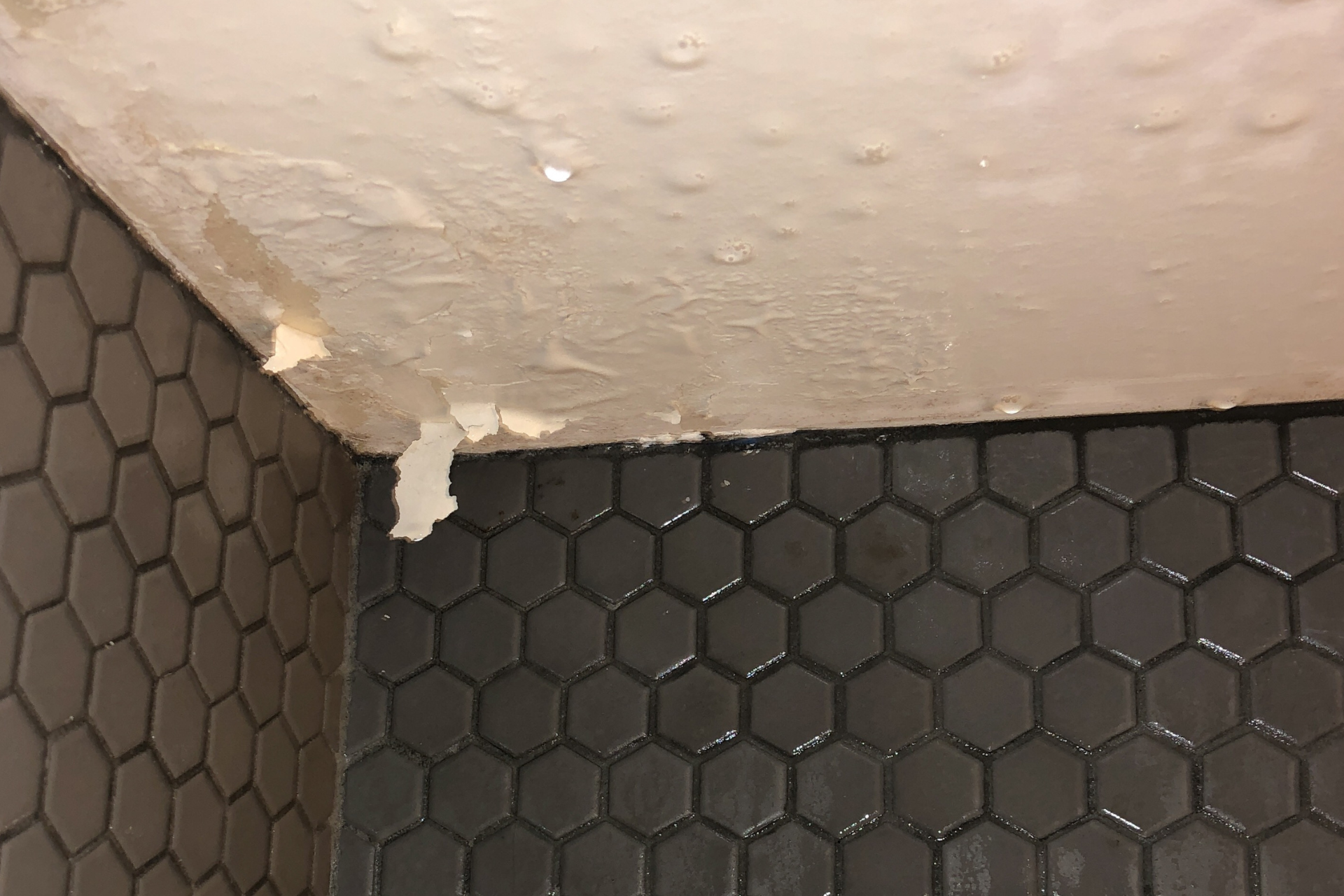
Water damage in commercial buildings can wreak havoc on businesses, causing costly disruptions and potential health risks for employees and customers. As an owner or manager of a commercial property, it's essential to address water damage promptly and effectively to prevent further damage and ensure the safety of everyone involved. In this blog post, we'll explore the common causes of water damage in commercial buildings, the potential consequences of ignoring it, and the best practices for addressing water damage in offices and businesses.
Common Causes of Water Damage in Commercial Buildings
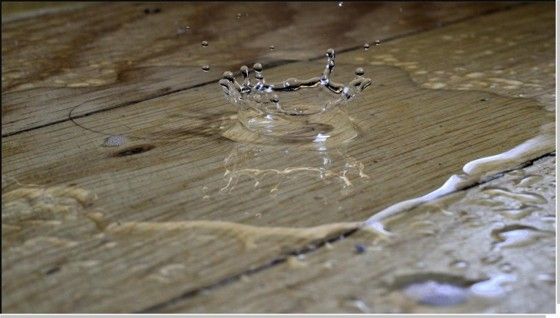
Water damage in commercial buildings can be caused by a variety of factors, including leaking pipes, roof leaks, flooding, and faulty plumbing fixtures. Identifying the source of the water damage is the first step in addressing the issue effectively. For example, a leaking roof may require immediate repairs to prevent further damage, while a burst pipe may need to be shut off and repaired as soon as possible. Ignoring these issues can lead to extensive water damage, mold growth, and structural damage, all of which can be costly to repair and may require businesses to temporarily close their doors.
Consequences of Ignoring Water Damage
Ignoring water damage in commercial buildings can have serious consequences for businesses. Mold growth can occur within 24-48 hours of water exposure, posing health risks to employees and customers. Structural damage can weaken the building's integrity and lead to costly repairs. Water damage can also damage valuable equipment, inventory, and documents, resulting in financial losses for the business. Additionally, the downtime required for repairs can disrupt business operations and lead to loss of revenue. By addressing water damage promptly, businesses can minimize these risks and ensure the safety and well-being of everyone involved.
Best Practices for Addressing Water Damage in Offices and Businesses
When faced with water damage in a commercial building, it's crucial to act quickly and follow best practices to mitigate the damage effectively. Here are some steps to take when addressing water damage in offices and businesses:
1. Assess the extent of the damage
Begin by assessing the extent of the water damage and identifying the source of the water intrusion. This will help determine the best course of action for cleanup and repairs.
2. Dry out the affected areas
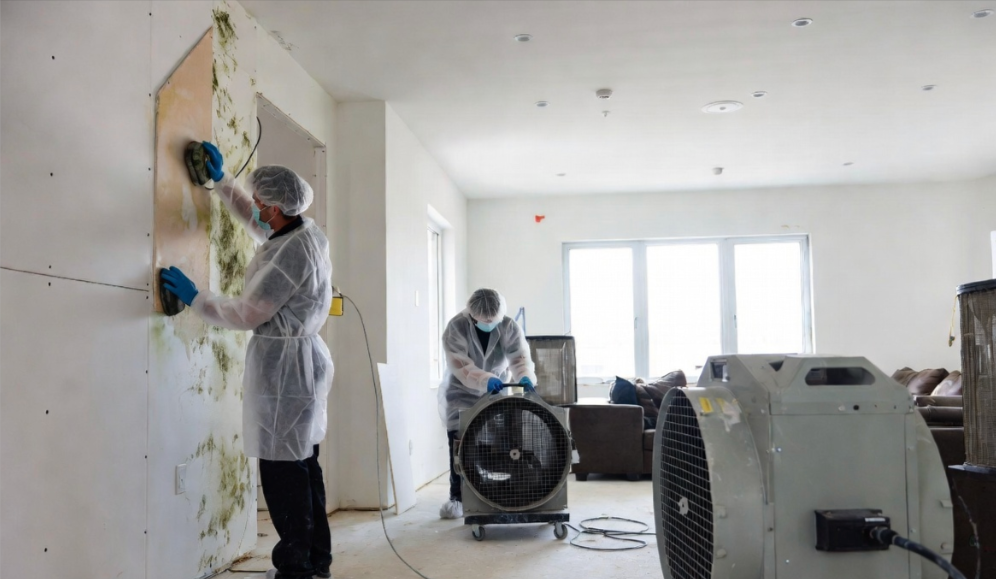
Use industrial-grade equipment such as dehumidifiers and air movers to dry out the affected areas and prevent mold growth. It's essential to address moisture issues promptly to avoid further damage.
3. Remove water-damaged materials
Remove and dispose of water-damaged materials such as carpeting, drywall, and furniture to prevent mold growth and structural damage. Proper disposal of these materials is essential to prevent contamination and health risks.
4. Sanitize and disinfect
Thoroughly sanitize and disinfect the affected areas to remove bacteria and pathogens that may have been introduced by the water damage. This will help ensure the safety of employees and customers.
5. Contact a professional restoration company
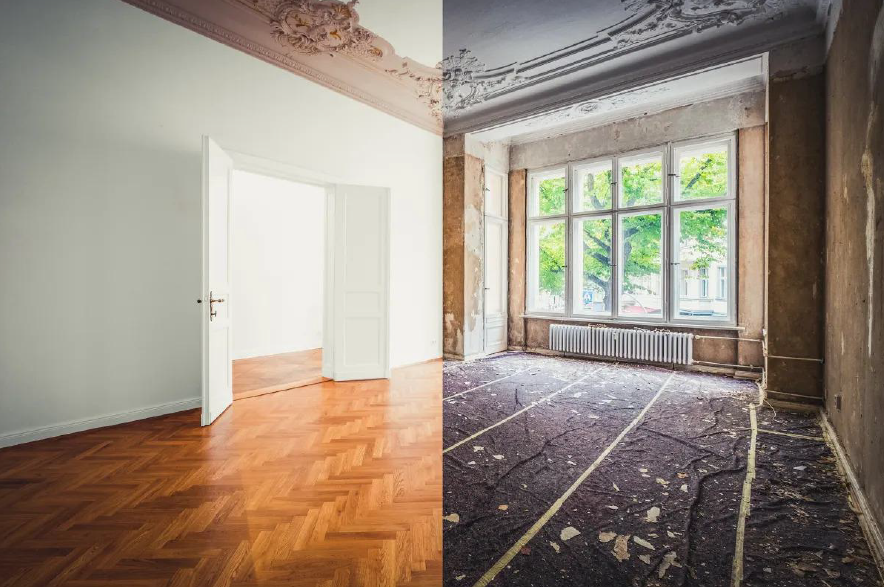
For extensive water damage or mold growth, it's best to contact a professional restoration company like Utah Flood Guys. Their team of experts can assess the damage, provide emergency cleanup services, and restore your commercial building to its pre-damaged condition.
By following these best practices and seeking professional help when needed, businesses can effectively address water damage in commercial buildings and minimize the impact on their operations and finances.
In conclusion, water damage in commercial buildings is a serious issue that requires prompt attention and effective mitigation strategies. By understanding the common causes of water damage, recognizing the consequences of ignoring it, and following best practices for addressing water damage in offices and businesses, businesses can protect their property, employees, and customers from the devastating effects of water damage. Don't let water damage disrupt your business – take action today to address the issue and restore your commercial building to its former glory.
For expert water damage restoration services in Utah, look no further than Utah Flood Guys. With their years of experience and dedication to customer satisfaction, they can help you address water damage in commercial buildings and get your business back on track in no time. Contact Utah Flood Guys today for a free consultation and take the first step towards a clean, safe, and dry commercial building.
You might also like
Utah Flood Guys Blog