Can a Professional Restore Wood Floors After Water Damage?
How Water Damages Wood Flooring
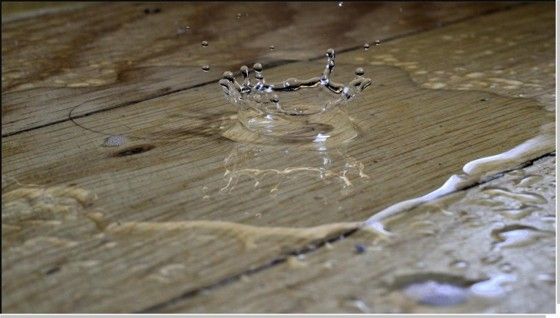
Wood absorbs moisture. That fundamental property makes hardwood floors vulnerable to water damage in ways that tile or vinyl aren't.
When water sits on or under wood flooring, the boards absorb moisture and expand. This expansion causes cupping (edges higher than the center), crowning (center higher than edges), or buckling (boards lifting entirely from the subfloor).
The longer water remains in contact with the wood, the more severe these effects become.
Surface Water vs. Subfloor Saturation
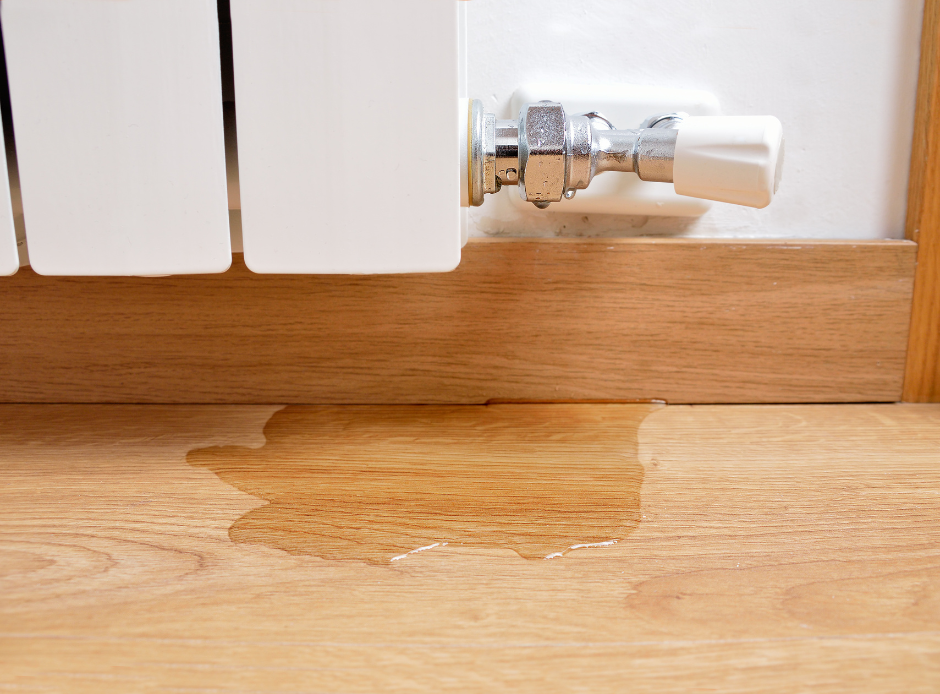
Surface spills that get wiped up quickly rarely cause lasting damage. The real problems start when water reaches the subfloor beneath the hardwood.
Subfloor saturation happens during flooding events, prolonged leaks, or when water enters through seams between boards. Once the subfloor is wet, moisture attacks the wood from both sides—above and below.
This accelerates warping and creates conditions for mold growth between the hardwood and subfloor layers.
Factors That Determine If Wood Floors Can Be Restored
Several variables affect whether water damage restoration can save your hardwood floors or whether replacement becomes the only option.
Time Exposed to Water
Time is the most critical factor. Wood floors exposed to standing water for less than 24 hours have good restoration odds. Exposure beyond 48 to 72 hours significantly reduces the chances of successful water damage restoration.
Quick response matters more than almost any other variable. A flooded kitchen in Ogden where water extraction begins within hours will likely have salvageable floors. The same flood left unaddressed over a weekend often results in floors that can't be saved.
Type of Wood Flooring
Solid hardwood offers the best restoration potential. These floors can be dried, sanded, and refinished even after significant water damage.
Engineered hardwood has a real wood veneer over plywood layers. Water causes the layers to separate and delaminate, making restoration more difficult. Some engineered floors can be saved if caught early; others cannot.
Laminate flooring typically cannot be restored after water damage. The fiberboard core absorbs water rapidly and swells permanently.
Water Category
Clean water from supply line breaks offers the best scenario for restoration. Contaminated water from sewage backups or flooding introduces bacteria and other hazards that complicate the process.
Category 3 (black water) exposure often requires floor replacement regardless of structural condition, simply due to sanitation concerns that sanding and refinishing can't address.
Extent of Warping
Minor cupping often reverses as floors dry. Severe cupping, crowning, or buckling may be permanent depending on how long the distortion persisted.
Professional water damage services use moisture meters to assess whether wood has returned to acceptable moisture content and whether warping has stabilized before determining next steps.
The Professional Water Damage Restoration Process for Wood Floors
Restoring water-damaged hardwood floors follows a specific sequence. Skipping steps or rushing the process leads to problems that show up months later.
Water Extraction
The first priority is removing standing water. Professional crews use truck-mounted extractors and weighted extraction tools designed to pull water from flooring surfaces and seams.
For Salt Lake City homes with finished basements, water extraction often includes removing baseboards to access moisture trapped along wall edges where flooring meets drywall.
Structural Drying
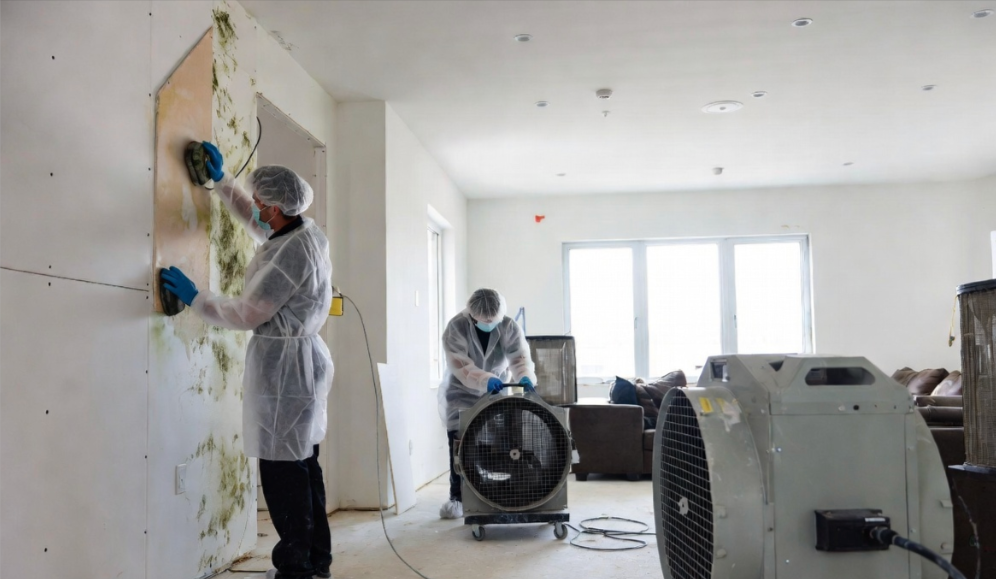
This phase takes the longest and matters the most. Commercial air movers and dehumidifiers work together to draw moisture from the water damage wood floor and subfloor.
Drying hardwood floors properly typically requires five to seven days minimum. Utah's dry climate helps, but the enclosed space between hardwood and subfloor doesn't benefit from outdoor humidity levels. Rushing this phase is the most common mistake in wood floor restoration.
Restoration technicians monitor moisture content daily using pin meters inserted into the wood. Drying is complete when moisture readings match the expected equilibrium moisture content for the local climate—typically 6% to 9% along the Wasatch Front.
Assessment and Decision Point
Once floors are fully dry, professionals assess whether water damage restoration can proceed or replacement is necessary.
Floors that have returned to flat or near-flat condition typically move forward to sanding and refinishing. Floors with permanent warping, delamination (for engineered wood), or mold contamination between layers usually require replacement.
Sanding and Refinishing
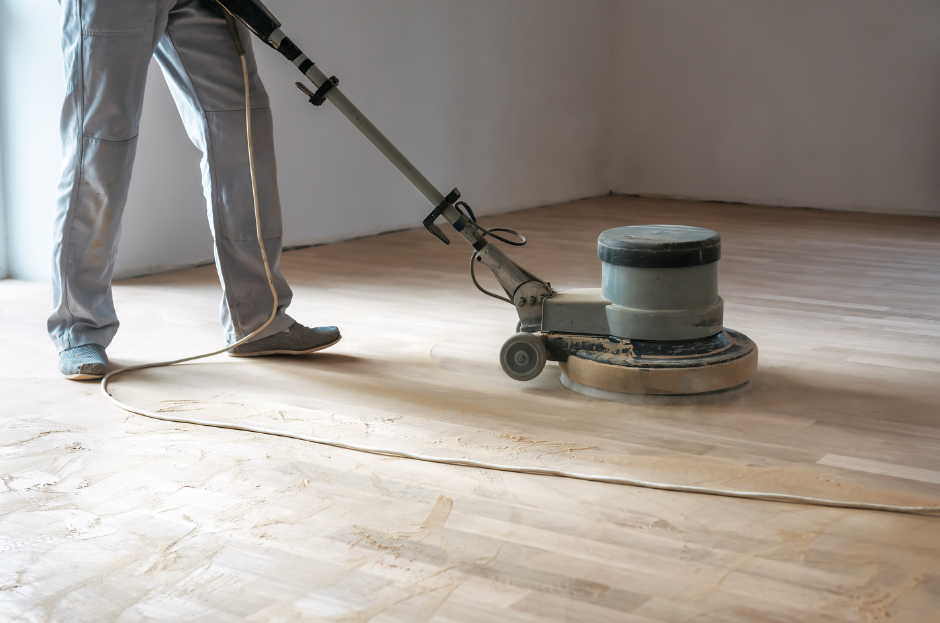
Sanding removes the damaged finish and a thin layer of wood, eliminating minor surface damage and evening out slight warping that remains after drying.
Solid hardwood floors can typically be sanded and refinished three to five times over their lifespan. If your floors have been refinished multiple times previously, there may not be enough wood thickness remaining for another sanding after water damage.
After sanding, new stain (if desired) and protective finish coats restore the floor's appearance and seal the wood against future moisture.
Signs Your Wood Floors Need Professional Water Damage Services
Not every water incident requires professional intervention. Minor spills cleaned up immediately rarely cause lasting damage.
However, certain signs indicate you need professional water damage services rather than DIY efforts.
Visible Warping
Cupping, crowning, or buckling visible to the eye means water has penetrated deeply enough to cause structural changes in the wood. This requires professional drying equipment to address properly.
Discoloration or Staining
Dark stains, especially black discoloration, may indicate mold growth or tannin bleed from the wood reacting with water. Both require professional assessment.
Musty Odors
Persistent musty smells after a water incident suggest moisture remains trapped somewhere—often between the hardwood and subfloor where household fans and dehumidifiers can't reach effectively.
Soft or Spongy Spots
Wood that feels soft underfoot indicates significant water absorption. This compromises structural integrity and requires professional evaluation to determine whether the subfloor is also affected.
Cost Considerations: Restoration vs. Replacement
Water damage restoration for hardwood floors typically costs significantly less than full replacement—often 50% to 70% less when restoration is viable.
Restoration Costs
Professional drying, sanding, and refinishing costs vary based on square footage and extent of damage. For a typical room in a Logan or Layton home, expect restoration to run considerably less than tearing out and replacing the flooring entirely.
Replacement Costs
Replacement involves demolition, disposal, subfloor repair or replacement, new flooring materials, and installation labor. Matching existing hardwood in adjacent rooms adds complexity and cost if the original flooring is no longer available.
Insurance Coverage
Most homeowner policies cover sudden water damage to flooring from events like burst pipes or appliance failures. Gradual damage from slow leaks typically isn't covered.
Document the damage thoroughly before any work begins. Professional restoration companies in Northern Utah work with insurance adjusters regularly and can help ensure proper documentation for your claim.
Preventing Future Water Damage to Wood Floors
After investing in water damage restoration, protecting your floors from future incidents makes sense.
Address Leaks Immediately
Small leaks become big problems. Fix dripping faucets, running toilets, and slow supply line leaks promptly rather than waiting for convenient timing.
Use Water Leak Detectors
Inexpensive battery-powered detectors placed near water heaters, washing machines, dishwashers, and under sinks alert you to leaks before they spread to flooring in adjacent areas.
Maintain Proper Humidity
Wood floors perform best at 35% to 55% relative humidity. Utah's dry winters can drop indoor humidity below this range, causing gaps between boards.
Summers and post-flood conditions can push humidity higher, causing expansion. A whole-house humidifier or dehumidifier helps maintain stable conditions.
Know Your Shutoff Valves
When a pipe bursts or appliance fails, stopping the water quickly limits floor damage. Know where your main shutoff valve is located and ensure it operates smoothly.
The Bottom Line on Wood Floor Water Damage Restoration
Professional water damage restoration can save hardwood floors in many situations, particularly when response is quick and the wood is solid hardwood rather than engineered or laminate products.
The key factors are time (less than 24-48 hours of exposure), water category (clean water offers better odds), and extent of warping (minor cupping often reverses with proper drying).
For Northern Utah homeowners dealing with water-damaged wood floors, professional assessment provides the clearest answer on whether restoration or replacement makes sense for your specific situation.
The investment in proper water damage services often saves significant money compared to premature replacement—and preserves flooring that may be difficult or impossible to match with new materials.
You might also like
Utah Flood Guys Blog