Mold Testing Methods: Overview of mold testing techniques
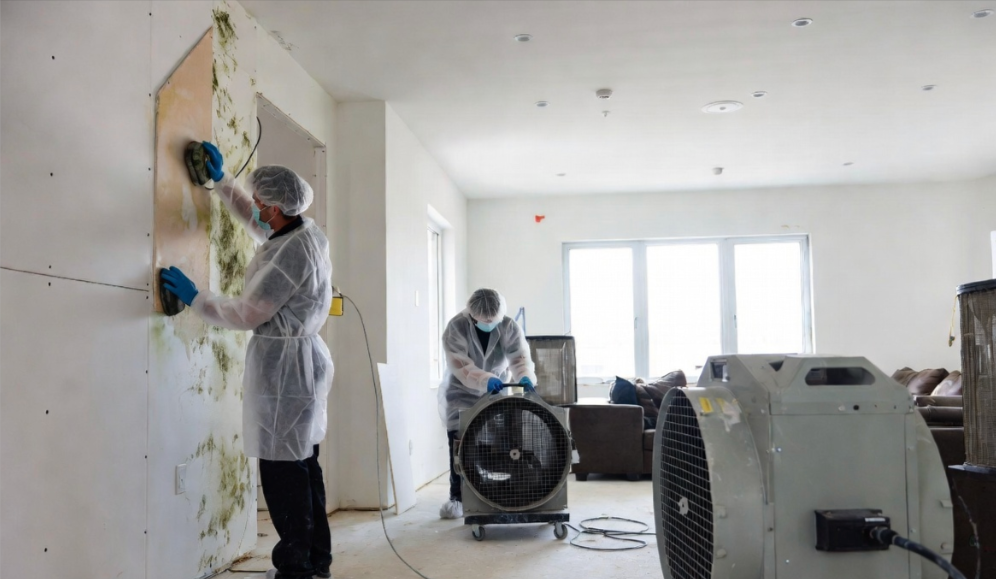
Welcome back, Utah Flood Guys family! Today, we're diving into the world of mold testing. Mold is a serious issue that can lurk in the dark corners of your property, posing health risks and overall compromising the safety of your living or working spaces. That's why it's crucial to stay informed about mold testing methods and techniques to ensure a healthy environment for you, your family, and your colleagues.
At Utah Flood Guys, we understand the importance of thorough testing and have a team of experts ready to assist with any mold-related concerns. Join us as we explore the various mold testing methods available to help you identify and address mold issues effectively.
1. Visual Inspection:
One of the most common methods of mold testing is a visual inspection. Our skilled technicians will conduct a thorough examination of your property, looking for visible signs of mold growth such as discoloration, water stains, or musty odors. While this method can provide initial clues, it may not detect hidden mold growth behind walls or ceilings.
2. Air Sampling:
Air sampling is another crucial technique used to test for mold in the air. During this method, a sample of the air in your property is collected and analyzed to determine the concentration of mold spores present. This method can help identify hidden mold and assess the overall air quality in your space.
3. Surface Sampling:
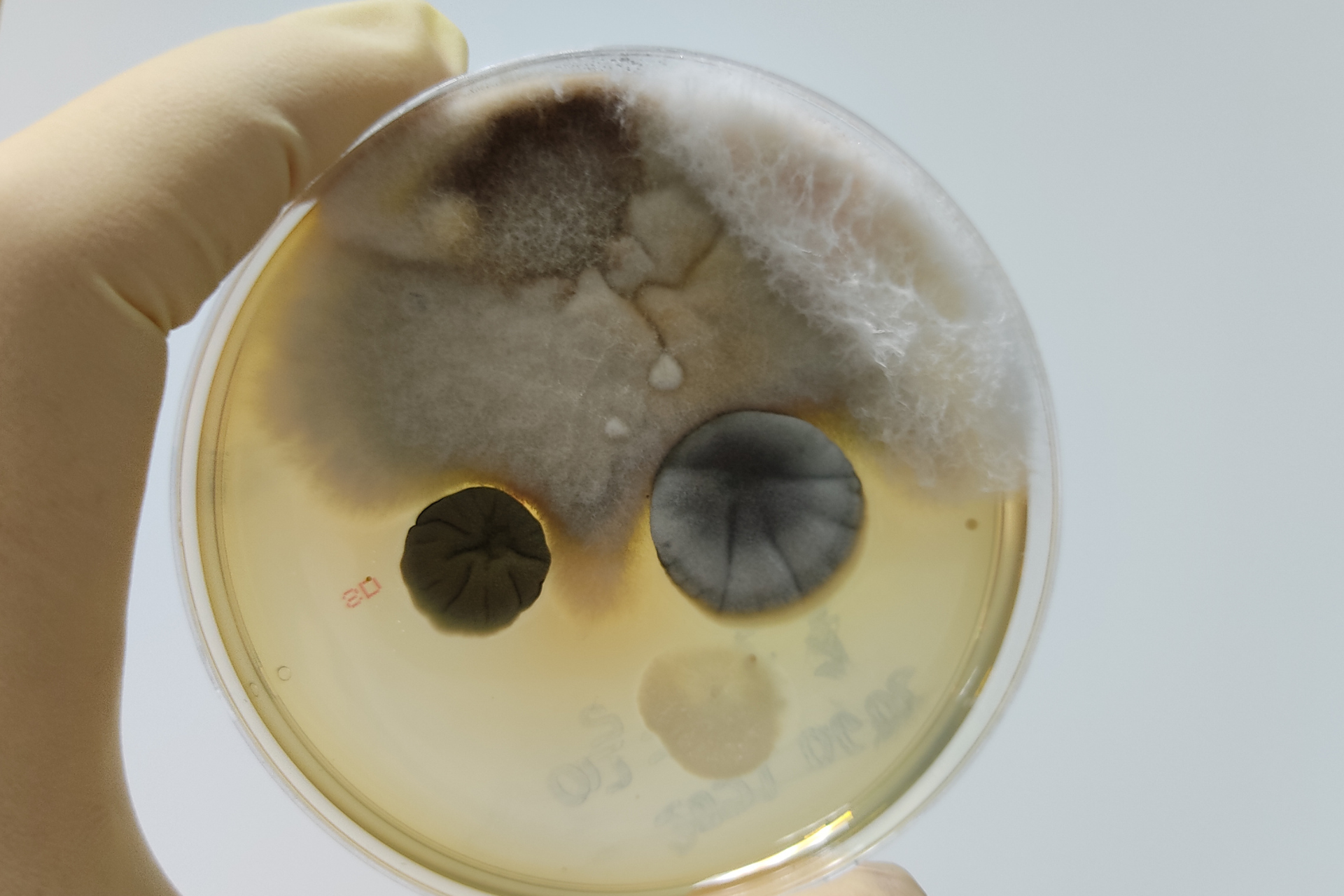
Surface sampling involves collecting samples from various surfaces in your property to determine the presence of mold. These samples are then analyzed to identify the type of mold present and its spore concentration. Surface sampling can help pinpoint the exact location of mold growth and guide the remediation process.
4. Bulk Sampling:
Bulk sampling involves collecting physical samples of materials or objects suspected of harboring mold. These samples are sent to a lab for analysis to identify the type of mold present and its concentration. Bulk sampling can be useful when determining the extent of a mold problem and choosing the appropriate remediation strategy.
5. Moisture Mapping:
Moisture mapping is a technique used to identify areas of excess moisture in your property, which can lead to mold growth. By using specialized tools such as moisture meters and thermal imaging cameras, our technicians can pinpoint moisture sources and potential mold hotspots. Addressing moisture issues is key to preventing mold growth in the first place.
In conclusion, mold testing is a critical step in the remediation process to ensure a safe and healthy environment for you and your loved ones. By utilizing a combination of testing methods such as visual inspections, air sampling, surface sampling, bulk sampling, and moisture mapping, our team at Utah Flood Guys can accurately assess mold issues and provide effective solutions tailored to your specific needs.
Remember, mold can be a persistent and harmful invader, but with the right techniques and experts by your side, you can tackle mold problems head-on. Stay proactive, stay informed, and stay safe with Utah Flood Guys on your side. We're here to help you navigate the world of mold testing and restoration with confidence and care.
Until next time, stay safe and mold-free, Utah Flood Guys family!
[tagline - Your trusted partner in disaster cleanup and restoration - Utah Flood Guys]
You might also like
Utah Flood Guys Blog