Bathroom Flooding Emergency: A Complete Water Damage Response Guide for Utah Homeowners
Walking into a flooded bathroom ranks among the more stressful homeowner moments. Whether you're dealing with a burst pipe, an overflowing toilet, or a failed water heater connection, that spreading water demands quick thinking. For Northern Utah homeowners, knowing how to respond can mean the difference between a straightforward cleanup and serious water damage that reaches your subfloor, neighboring rooms, or the ceiling below.
This guide covers everything from those critical first minutes through the full repair process, helping you protect your home and decide when professional help makes sense.
The First 30 Minutes: Your Immediate Response
When bathroom flooding happens, time matters. Safety comes first—before stepping into standing water, think about whether electrical outlets, light fixtures, or appliances might create a shock hazard. If water levels are high or you're uncertain about electrical safety, stay out and call for professional emergency flooding services.
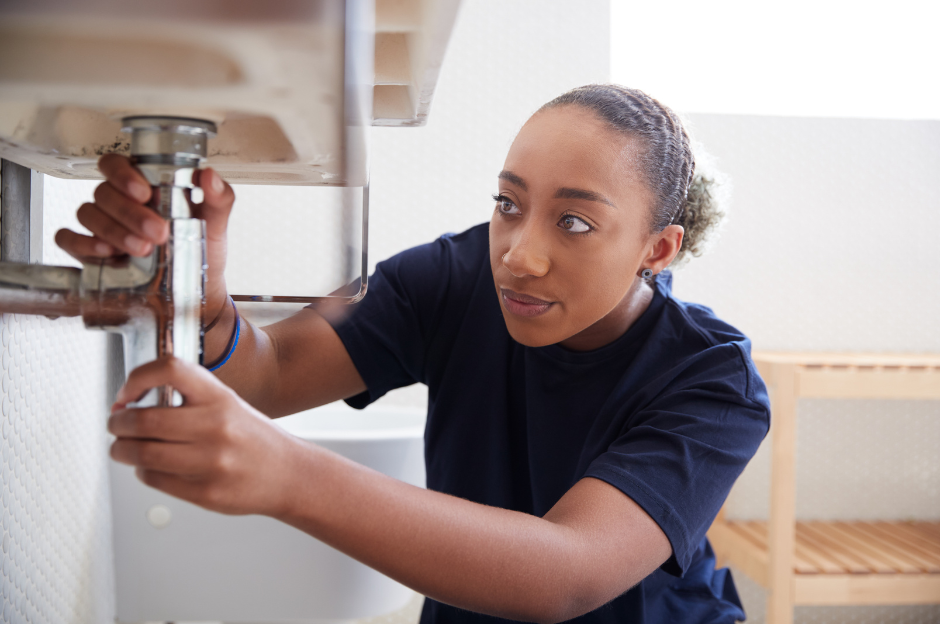
If the area is safe to enter, find and shut off the water source. Most toilets have a supply valve near the floor behind the bowl. Sinks typically have shutoff valves beneath the cabinet. If you can't locate a local shutoff or the flooding involves a broken pipe within the wall, head to your home's main water shutoff valve. In most Utah homes, you'll find this near the water meter, often in the basement or along an exterior wall.
Once the water stops, grab your phone and document everything. Take photos and video of the flooding before you start cleanup—your insurance company will want evidence of the initial conditions. Capture the water level, affected areas, and any visible damage to flooring, baseboards, or walls.
Understanding Different Types of Water Damage
Not all bathroom flooding creates the same risk. The restoration industry categorizes water damage into three types, and understanding these categories helps determine your next steps.
Category 1, or "clean water," comes from sanitary sources like a broken supply line or leaking faucet. While you still need to address it quickly, this type presents the lowest health risk. Category 2, often called "gray water," involves some contamination—think washing machine overflows or dishwasher leaks containing soap residue, food particles, or bacteria. Category 3 is the most serious: "black water" containing sewage or other hazardous materials, such as toilet overflows involving waste or floodwater entering the home.
These categories matter because they determine whether DIY cleanup is appropriate or whether professional restoration becomes necessary. Category 3 situations require specialized equipment, antimicrobial treatments, and proper disposal procedures that go beyond what most homeowners can safely handle.
What Water Damage Repair Actually Involves
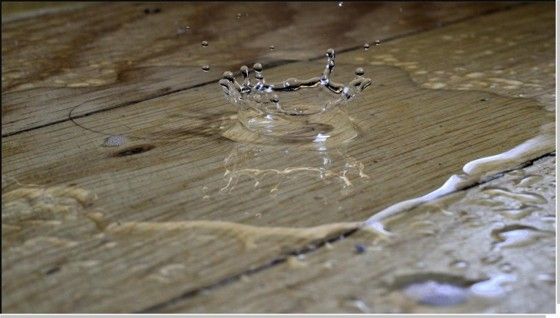
The visible water on your bathroom floor often tells just part of the story. Water follows gravity and finds every available path, seeping through tile grout, penetrating subfloor seams, and wicking up into drywall. This behavior explains why thorough water damage repair means more than just mopping up the surface.
When a bathroom floods, water typically migrates into several areas: the subfloor beneath tile or vinyl, the wooden framing around the tub or shower, the base of the vanity cabinet, and the drywall behind the toilet. In two-story homes throughout the Salt Lake City area and the broader Wasatch Front, bathroom flooding on upper floors frequently causes ceiling damage in rooms below—sometimes appearing hours or even days after the initial incident.
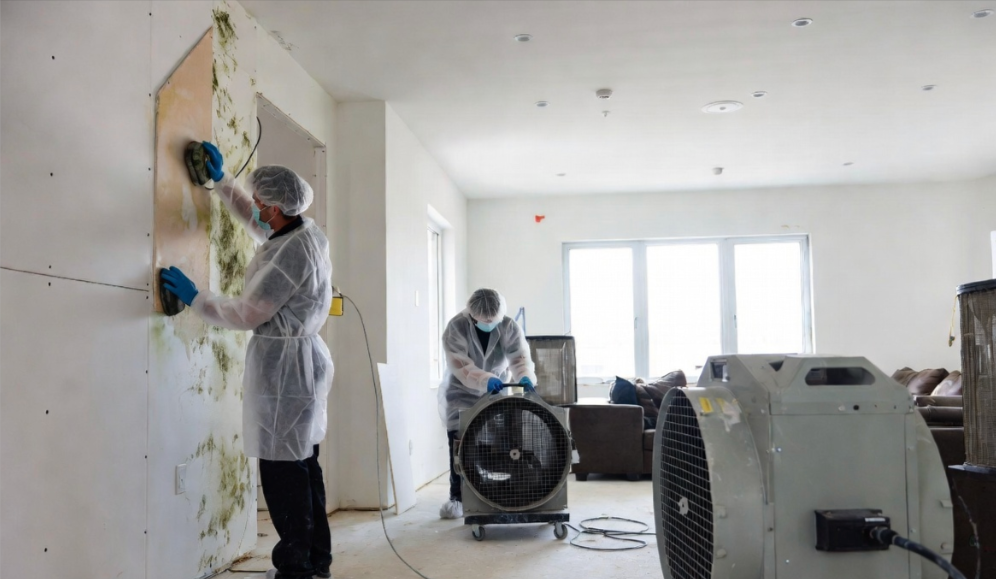
Professional water damage repairs address all affected materials, not just the obvious wet spots. This typically involves moisture mapping using specialized meters, strategic removal of baseboards and cabinet toe kicks to expose hidden moisture, and placement of commercial-grade air movers and dehumidifiers. The goal is achieving complete drying before mold can establish itself, which in Utah's climate can happen within 24 to 48 hours under the right conditions.
DIY Cleanup vs. Calling the Professionals
The question of when to handle cleanup yourself versus calling for help depends on several factors. Small-scale incidents—a toilet overflow caught immediately, a minor sink leak, or a bathtub that ran over while filling—can often be managed with towels, a wet-dry vacuum, and good ventilation, provided the water falls into Category 1 or mild Category 2.
Professional emergency flooding services become important when specific conditions exist: the flooding involves sewage or contaminated water, water has been standing for more than 24 hours, the affected area exceeds a single room, water has reached wall cavities or subfloor layers, or the flooded bathroom is on an upper floor with potential ceiling damage below. Homeowners in older Ogden or Logan homes should be particularly cautious, as older construction often lacks the moisture barriers found in newer builds, allowing water to spread more extensively through the structure.
Professional restoration teams bring industrial equipment that dramatically accelerates drying times. While a household fan might move air across surfaces, commercial air movers create focused, high-velocity airflow that draws moisture from deep within materials. Similarly, professional-grade dehumidifiers can remove dozens of gallons of water from the air daily—far beyond the capacity of consumer models.
Preventing Secondary Damage and Mold Growth
The initial flooding is just the first challenge. Secondary damage—particularly mold growth—poses an ongoing threat that continues long after the visible water disappears. Utah's relatively dry climate offers some protection compared to humid regions, but the enclosed, poorly ventilated environment of a bathroom creates ideal conditions for mold development if moisture persists.
After any flooding bathroom incident, monitor the affected area closely for two weeks. Watch for musty odors, discoloration on walls or ceilings, bubbling paint, or warping baseboards. These signs suggest moisture remains trapped somewhere in the structure. Using a simple moisture meter, available at most hardware stores in Layton, Bountiful, and throughout Davis County, can help identify areas that haven't fully dried.
If mold does appear, your response depends on the extent. Small patches on hard surfaces can often be cleaned with appropriate antimicrobial products. However, mold growing on drywall, inside wall cavities, or beneath flooring indicates a more serious problem that typically requires professional remediation. The water damage itself created the conditions for mold, and addressing the mold without resolving any remaining moisture issues simply invites it back.
Working With Insurance After Water Damage
Navigating insurance claims after a flooded bathroom requires understanding what's typically covered. Most homeowner policies cover sudden and accidental water damage—a burst pipe, a failed supply line, or an overflowing appliance. However, damage resulting from gradual leaks, poor maintenance, or neglected repairs often falls outside coverage.
The documentation gathered in those first minutes becomes invaluable when filing a claim. Detailed photos showing the initial flooding, the apparent source, and the affected areas help establish that the damage was sudden rather than gradual. Keep receipts for any emergency cleanup expenses, temporary repairs, or professional restoration services, as these may be reimbursable.
Many insurance policies require prompt notification and mitigation efforts. Waiting days to report bathroom flooding or failing to take reasonable steps to prevent additional damage can jeopardize coverage. Contact your insurance company as soon as the immediate emergency is controlled, and keep records of all conversations including the date, time, and name of the representative you spoke with.
Reducing Future Flooding Risk
After experiencing a flooded bathroom, most homeowners become acutely interested in prevention. Several practical steps can significantly reduce the risk of future incidents and minimize water damage repairs if flooding does occur.
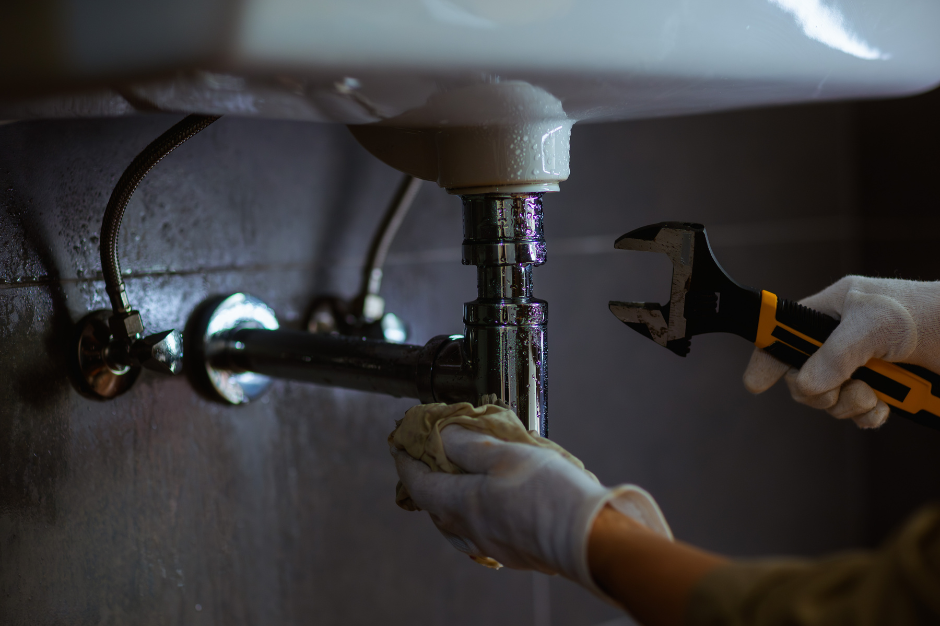
Start with regular inspection of supply lines and connections. The braided stainless steel hoses connecting toilets and faucets have a typical lifespan of five to eight years. Check them annually for bulging, corrosion, or kinking, and replace them proactively before failure occurs. Similarly, inspect caulking around tubs, showers, and toilet bases—deteriorating caulk allows water to seep into subfloor areas where it causes hidden damage.
Consider installing water leak detectors near toilets, under sinks, and around water heaters. These inexpensive devices provide early warning of small leaks before they become major flooding events. For homeowners in Weber County, Cache Valley, and other areas prone to temperature fluctuations, pipe insulation in unheated spaces helps prevent the burst pipes that cause some of the most severe bathroom flooding during Utah's cold winters.
Finally, know where your main water shutoff valve is located before an emergency occurs. In the chaos of an active flooding situation, being able to immediately stop the water flow can prevent thousands of dollars in additional water damage. Take a few minutes to locate it, ensure it operates smoothly, and make sure everyone in the household knows where it is and how to use it.
Moving Forward After Bathroom Flooding
A flooded bathroom tests any homeowner's composure, but understanding the proper response transforms a crisis into a manageable situation. Quick action in those first minutes limits the extent of water damage. Proper assessment determines whether DIY cleanup is appropriate or professional restoration services are needed. Thorough drying prevents the secondary damage that often exceeds the cost of the initial flooding.
For Northern Utah homeowners facing bathroom flooding beyond what simple cleanup can address, professional water damage repair services offer the equipment, expertise, and efficiency needed to fully restore affected areas. Whether the situation involves a straightforward overflow or complex contamination requiring specialized treatment, acting quickly and making informed decisions protects both your home and your family's health.
You might also like
Utah Flood Guys Blog