Fire and Water Damage: Why Restoration Services Must Address Both
House fires leave behind more than scorched walls and smoke damage. The water used to extinguish those flames creates its own set of problems, often affecting areas the fire never touched. For Northern Utah homeowners dealing with fire aftermath, understanding this dual challenge explains why proper restoration services address both types of damage simultaneously—and why cutting corners on either front leads to bigger problems down the road.
This guide breaks down how fire and water damage interact, what the restoration process actually looks like, and how to navigate the recovery period after your home experiences both.
The Hidden Water Damage Behind Every House Fire
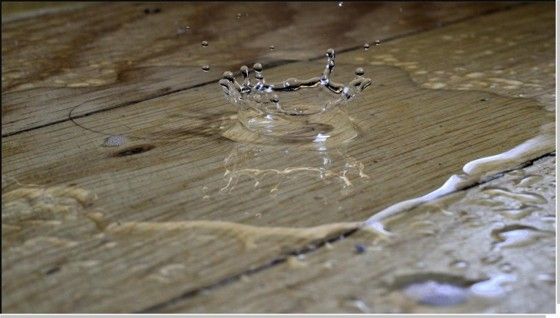
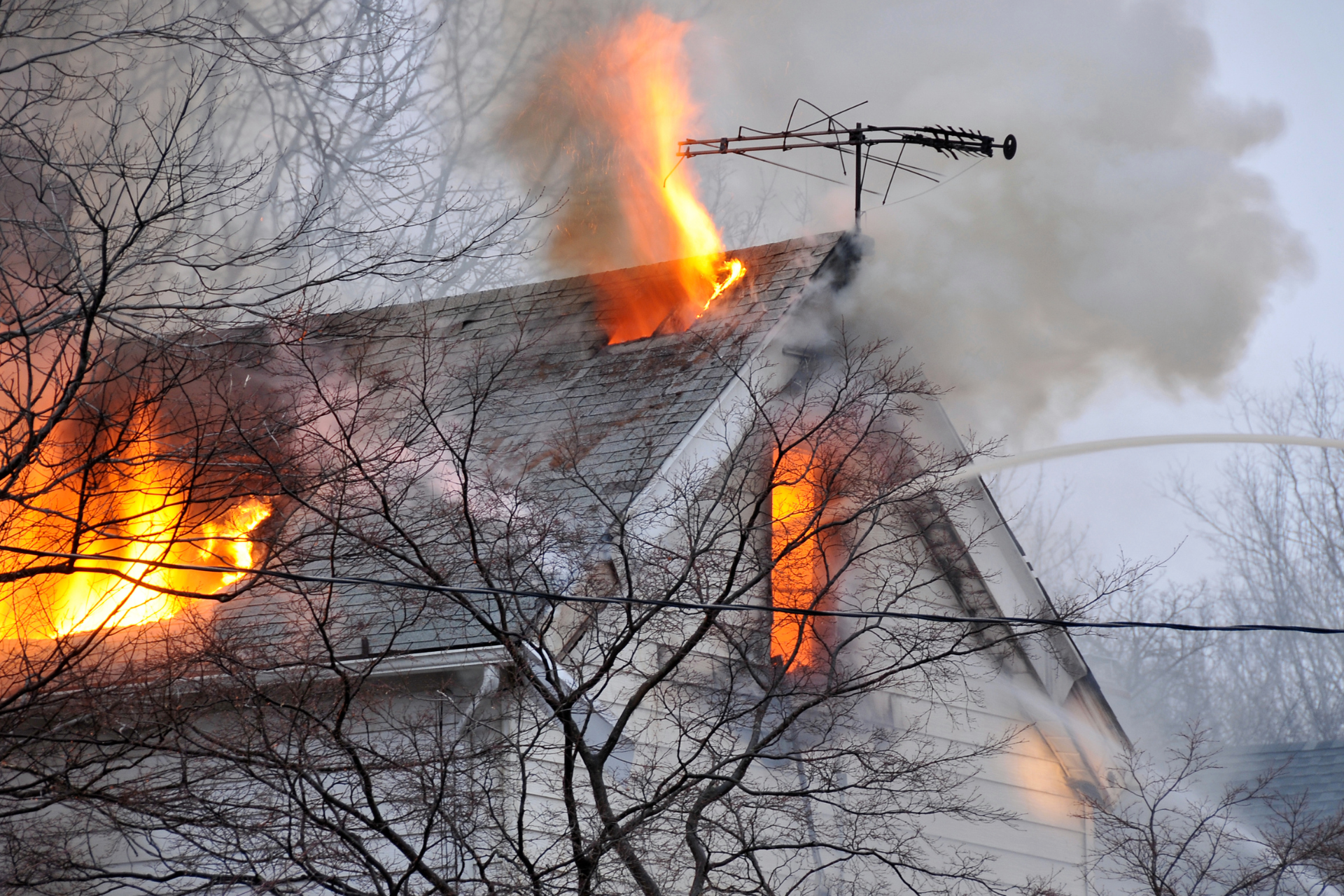
Fire suppression requires enormous amounts of water. A single fire hose delivers anywhere from 100 to 250 gallons per minute, and firefighters may run multiple hoses for extended periods depending on the fire's severity. Add in water from sprinkler systems, and even a relatively contained kitchen fire can leave hundreds or thousands of gallons soaking into your home's structure.
This suppression water doesn't stay where it lands. It flows downward through floor systems, pools in basements, saturates insulation in wall cavities, and seeps into areas far from the original fire. A second-floor bedroom fire in a Northern Utah home, for example, routinely causes water damage to the main floor ceiling, walls, and sometimes even the basement level. The fire might have stayed contained to one room while the water traveled through the entire structure.
Making matters more complicated, fire suppression water isn't clean. It picks up soot, ash, melted plastics, and chemical residue as it moves through burned areas. This contaminated water then carries those substances into otherwise undamaged parts of the home, creating secondary damage that requires its own specialized cleanup approach.
Why Fire Restoration Requires Water Damage Expertise
Fire damage repairs and water damage repairs require different techniques, but after a house fire, you need both working together. Treating them as separate projects—or worse, ignoring the water component—creates conditions for ongoing problems that surface months later.
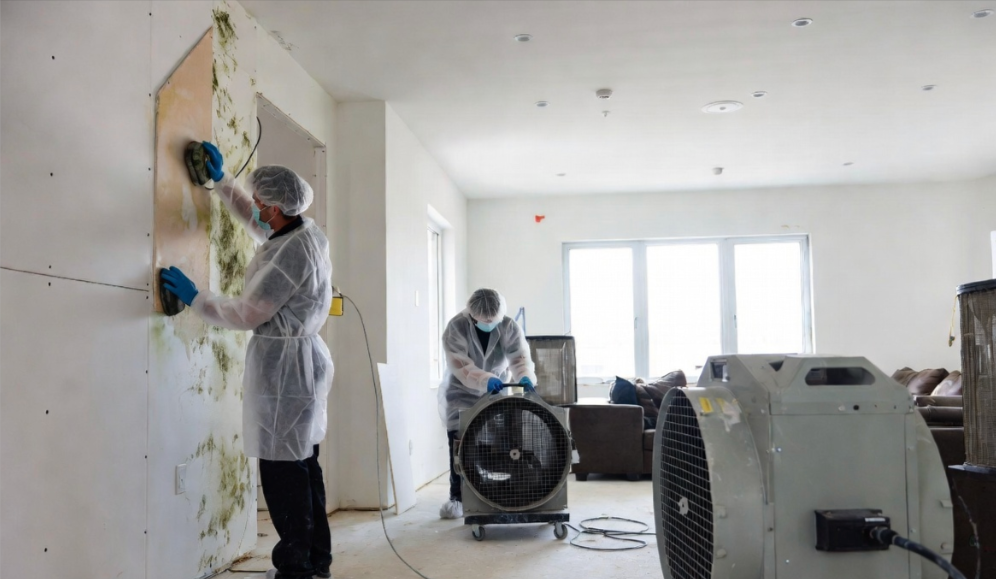
The most immediate concern is mold. Utah's dry climate helps, but saturated building materials inside enclosed wall and floor cavities don't benefit much from low outdoor humidity. Without proper drying, mold colonies can establish themselves within 48 to 72 hours. Homeowners sometimes discover mold growth weeks after fire restoration work concludes, hidden behind freshly painted drywall or beneath new flooring installed over subflooring that never fully dried.
Structural concerns also overlap. Fire weakens wooden framing through charring, but prolonged water exposure weakens it through saturation and eventual rot. A floor joist that survived the fire with minor surface charring might fail months later if water damage went unaddressed. Professional fire restoration companies assess both types of damage to determine what can be saved and what requires replacement.
The Recovery Timeline After Fire and Water Damage
Recovery after a house fire follows a general sequence, though the specifics depend on the extent of damage and which areas of the home were affected. Understanding this timeline helps set realistic expectations for when you might return to normal.
The first phase focuses on water extraction and emergency stabilization, usually within the first 24 to 48 hours after the fire department clears the scene. Crews remove standing water, set up commercial drying equipment, and begin the moisture mapping process that identifies how far water traveled through the structure. Tarps or board-ups protect any openings created by the fire or firefighting efforts.
Structural drying typically takes three to five days for moderate water intrusion, though severe cases may require longer. During this phase, restoration services monitor moisture levels daily, adjusting equipment placement as different areas reach acceptable dryness. Rushing this step—or skipping it entirely—is where many fire restoration projects go wrong.
Once drying is complete, the focus shifts to smoke and soot removal, demolition of unsalvageable materials, and the detailed cleaning that prepares surfaces for reconstruction. This phase can take anywhere from a few days for minor fires to several weeks for more extensive damage. The final reconstruction phase—rebuilding what was lost—varies widely based on scope, permit requirements, and contractor availability along the Wasatch Front.
Smoke, Soot, and Water: The Cleanup Challenges
Each element of fire aftermath requires specific treatment approaches. Smoke penetrates porous materials and leaves odors that persist long after visible damage is addressed. Soot—the black residue left by incomplete combustion—contains acidic compounds that continue damaging surfaces until removed. And water creates moisture problems that extend far beyond where flames reached.
The interaction between these elements complicates cleanup. Wet soot behaves differently than dry soot, often smearing and spreading when cleaning methods appropriate for dry conditions are applied. Water that sat in contact with burned materials becomes contaminated and requires different handling than clean water from a burst pipe. Professional fire restoration accounts for these interactions rather than treating each issue in isolation.
Odor elimination presents particular challenges. Smoke particles embed themselves in soft materials, insulation, and even the wood framing itself. Surface cleaning addresses part of the problem, but thorough odor removal often requires thermal fogging, ozone treatment, or hydroxyl generators—specialized equipment that neutralizes smoke odors at the molecular level. Skipping this step means living with lingering smoke smell that becomes especially noticeable in humid conditions or when heating systems run.
Choosing Fire Restoration Companies in Northern Utah
Not all restoration companies handle fire and water damage with equal expertise. Some specialize primarily in water damage and treat fire jobs as occasional additions to their workload. Others focus on fire restoration but lack the equipment or training for proper structural drying. The best outcomes come from companies equipped to address both simultaneously.
When evaluating fire restoration services in the Ogden, Logan, or greater Salt Lake area, ask specifically about their approach to the water component of fire damage. Do they perform moisture mapping? What drying equipment do they use? How do they verify that structural materials have reached acceptable moisture levels before reconstruction begins? Companies that can't answer these questions clearly may be treating water damage as an afterthought.
Response time also matters. Water damage worsens by the hour, so fire restoration companies should begin water extraction and drying setup within 24 hours of receiving access to the property. Delays at this stage—whether due to scheduling backlogs or lack of available equipment—translate directly into more extensive damage and higher repair costs.
Insurance Claims for Combined Fire and Water Damage
Homeowner insurance policies typically cover both fire damage and the resulting water damage from suppression efforts under the same claim. However, the claims process for fire losses tends to be more complex than standard water damage claims due to the scope of damage and the number of line items involved.
Documentation starts immediately. Before any cleanup begins, photograph and video everything—the fire damage, the water damage, the contents of affected rooms. Your insurance adjuster needs to see initial conditions, not conditions after restoration work has started. If possible, avoid discarding damaged items until the adjuster has documented them or given approval.
Most fire restoration companies work directly with insurance adjusters and can help navigate the claims process. They understand what documentation insurers require, how to properly scope damage for accurate estimates, and what's typically covered versus what falls outside standard policy limits. This experience proves valuable when disputes arise over coverage for specific fire damage repairs or contents replacement.
Keep records of all temporary living expenses if you're displaced from your home. Most policies include additional living expense coverage that reimburses hotel stays, restaurant meals, and other costs incurred while your home is uninhabitable. Save every receipt.
What to Expect During the Restoration Process
Living through fire and water damage restoration tests patience. The process is noisy, disruptive, and takes longer than most homeowners expect. Setting realistic expectations from the start helps manage the stress of an already difficult situation.
During the drying phase, expect industrial equipment running around the clock. Commercial air movers and dehumidifiers generate significant noise and increase electricity usage noticeably. If you're staying in the home during this period—possible in cases where damage was contained to one area—prepare for the disruption.
The demolition and cleaning phases create dust and debris despite containment efforts. Restoration services use plastic barriers and negative air pressure to isolate work areas, but some migration is inevitable. If household members have respiratory sensitivities, staying elsewhere during this phase may be worthwhile for homes in Layton, Bountiful, and other Davis County communities where temporary housing options are readily available.
Communication with your restoration service provider matters throughout the process. Good companies provide regular updates, explain what's happening at each stage, and give honest timelines even when the news isn't what you want to hear. If you're not getting clear answers about progress and next steps, that's a red flag worth addressing.
Moving Forward After the Damage
Recovering from a house fire means addressing both the obvious fire damage and the less visible water damage that suppression efforts leave behind. These challenges require coordinated restoration services that treat the full scope of damage rather than focusing on one element while neglecting the other.
For Northern Utah homeowners facing this situation, the path forward starts with understanding what proper restoration involves. Quick response limits secondary damage. Thorough drying prevents mold and structural problems. Professional restoration services bring the equipment, expertise, and insurance experience needed to return your home to its pre-fire condition. The process takes time and patience, but homes recover from even significant fire and water damage when the work is done right.
You might also like
Utah Flood Guys Blog