Fire Damage Cleanup Checklist: A comprehensive checklist for restoration
Introduction:
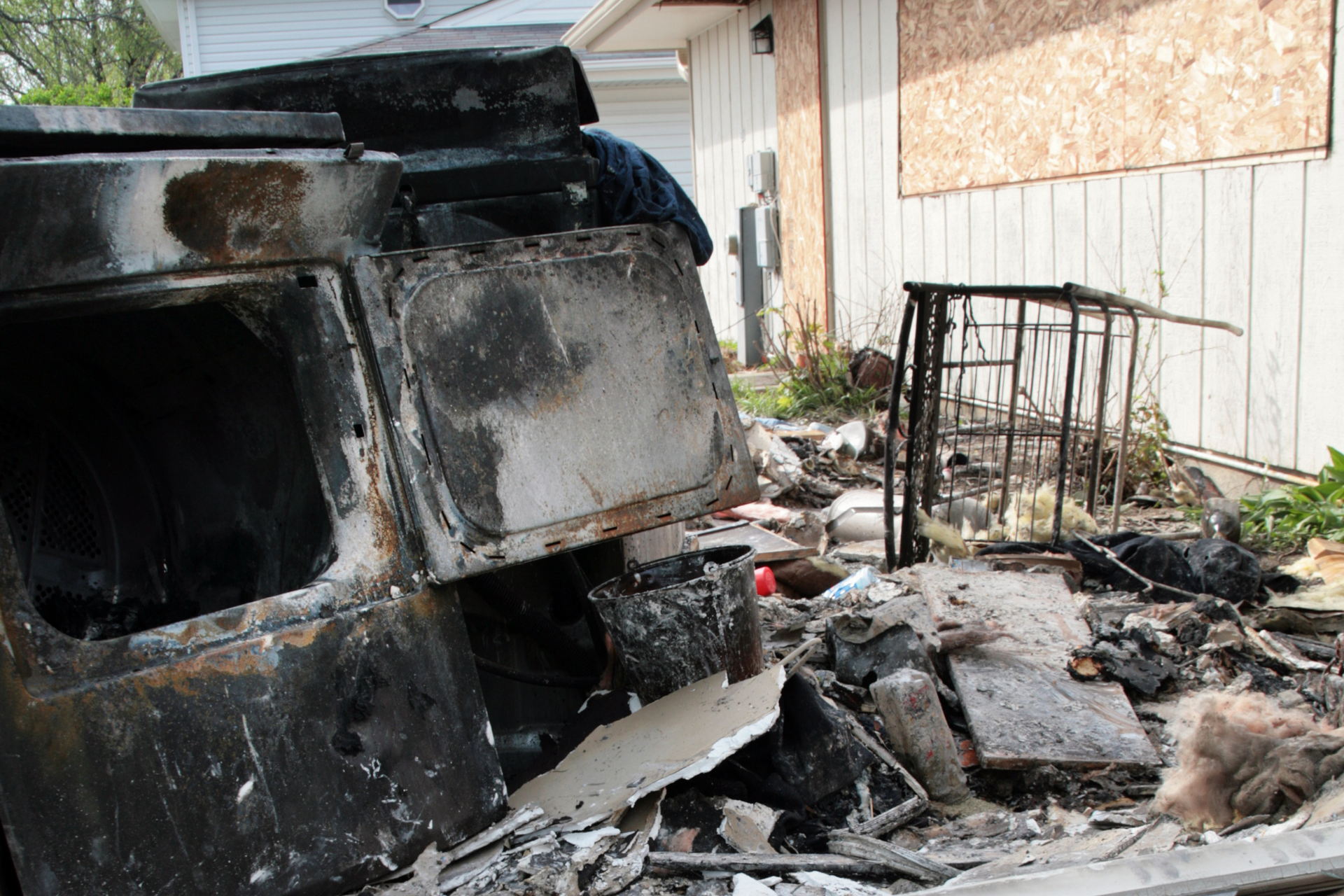
Experiencing a fire in your home or business can be a devastating event. The aftermath of a fire can be overwhelming, but with the right knowledge and a solid plan in place, you can begin the process of restoring your property. Utah Flood Guys is here to guide you through the fire damage cleanup process with our comprehensive checklist for restoration. Let's take a look at the steps you need to take to restore your property to its pre-fire condition.
Step 1: Ensure Safety First
Before you begin any cleanup efforts, it is crucial to prioritize safety. Make sure the property is safe to enter and that there are no structural damages that could pose a risk. Wear protective gear such as gloves, masks, and goggles to protect yourself from soot, smoke, and other hazards.
Step 2: Contact Your Insurance Company
Notify your insurance provider about the fire and begin the claims process. Document the damages with photographs and keep track of all communications with your insurance company. Utah Flood Guys can also assist you with navigating the insurance claims process to ensure a smooth restoration experience.
Step 3: Assess the Damages
Inspect the extent of the fire damage to determine the areas that require immediate attention. Look for signs of water damage from firefighting efforts and assess the structural integrity of the property. Utah Flood Guys' team of experts can conduct a thorough assessment and create a customized restoration plan tailored to your specific needs.
Step 4: Secure the Property
To prevent further damage and ensure security, board up windows, doors, and any openings. Cover damaged areas with tarps to protect them from the elements. Utah Flood Guys offers emergency board-up services to secure your property and prevent unauthorized access.
Step 5: Remove Debris and Soot
Start the cleanup process by removing debris, ash, and soot from the property. Use proper cleaning tools and techniques to avoid spreading contaminants. Utah Flood Guys uses industry-standard equipment and methods to safely remove debris and soot from fire-damaged properties.
Step 6: Address Water Damage
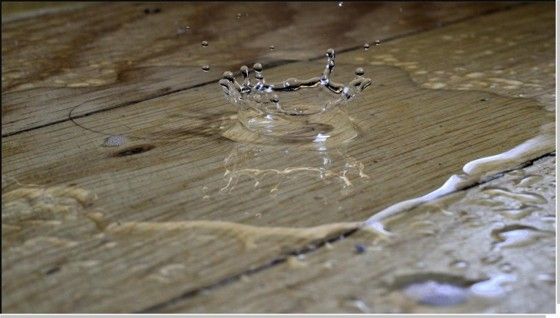
Water damage is common after a fire due to firefighting efforts. Remove standing water, dry out the affected areas, and address any moisture issues to prevent mold growth. Utah Flood Guys specializes in water damage restoration and can effectively mitigate water-related issues in fire-damaged properties.
Step 7: Clean and Disinfect
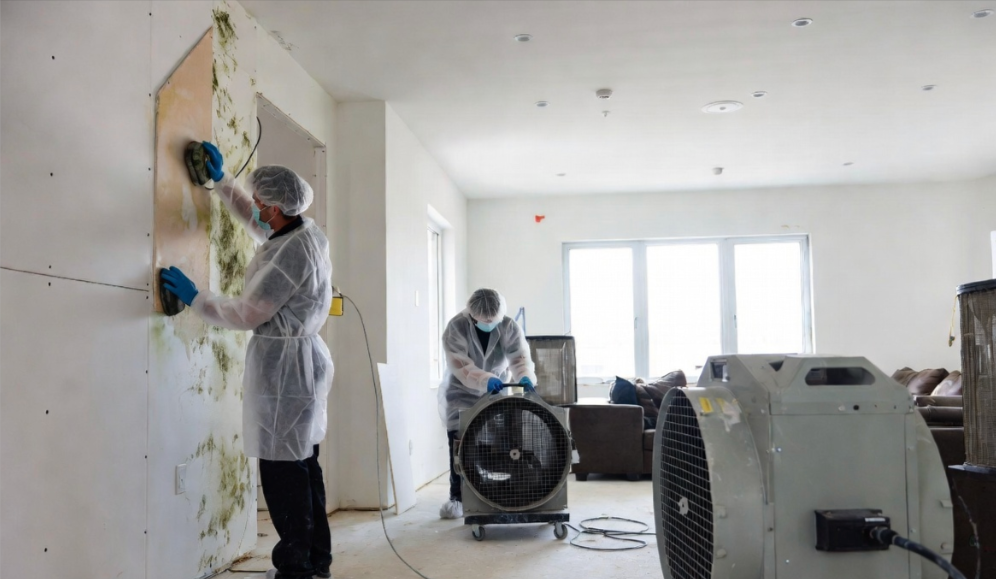
Thoroughly clean all surfaces, furniture, and belongings affected by the fire to eliminate soot, smoke odors, and contaminants. Use appropriate cleaning products and techniques to ensure a safe and sanitary environment. Utah Flood Guys' cleaning experts have the expertise to restore your property to its pre-fire condition.
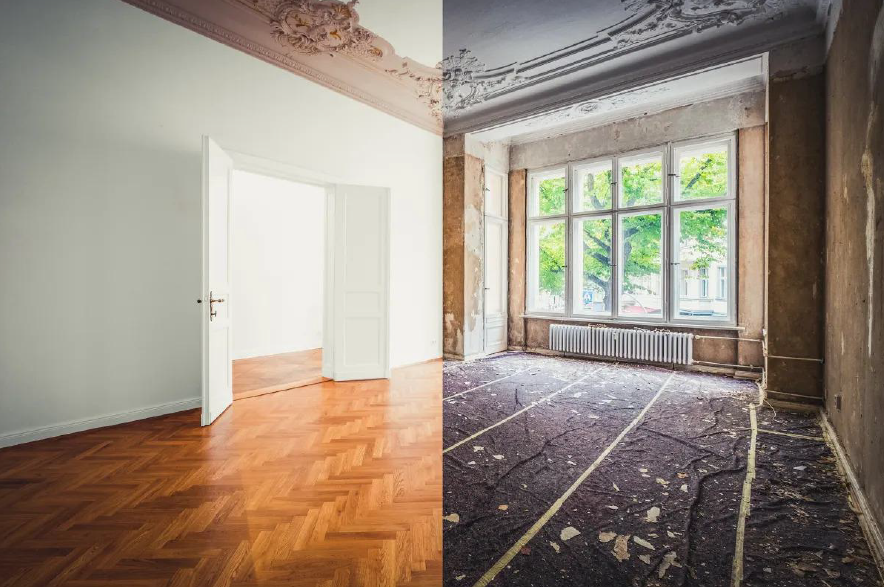
Step 8: Restore and Renovate
Once the cleanup process is complete, it's time to restore and renovate the property. Work with Utah Flood Guys' experienced team to rebuild damaged structures, replace flooring and drywall, and restore your property to its original state. Our skilled contractors will ensure high-quality workmanship and attention to detail throughout the restoration process.
Conclusion:
Facing fire damage can be a daunting experience, but with the right plan in place, you can successfully restore your property with the help of Utah Flood Guys. By following our comprehensive checklist for fire damage cleanup, you can navigate the restoration process efficiently and effectively. Trust Utah Flood Guys to be your partner in restoring your property and bringing peace of mind during challenging times. Contact us today for expert fire damage restoration services in Utah.
You might also like
Utah Flood Guys Blog