Utah's Unique Climate and Its Impact on Restoration Needs
Utah is famous for its stunning landscapes, vibrant seasons, and outdoor adventures. But let’s not forget—it’s also home to a unique climate that can have a significant impact on property restoration needs. As residents of this beautiful state, we often find ourselves navigating the complexities of weather patterns that fluctuate from dry, scorching summers to frigid, snowy winters. This climate variability plays a crucial role in how we perceive and manage damages caused by water, fire, and mold.
Dry Heat and Water Damage
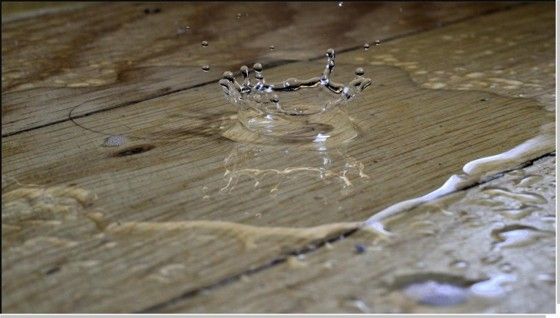
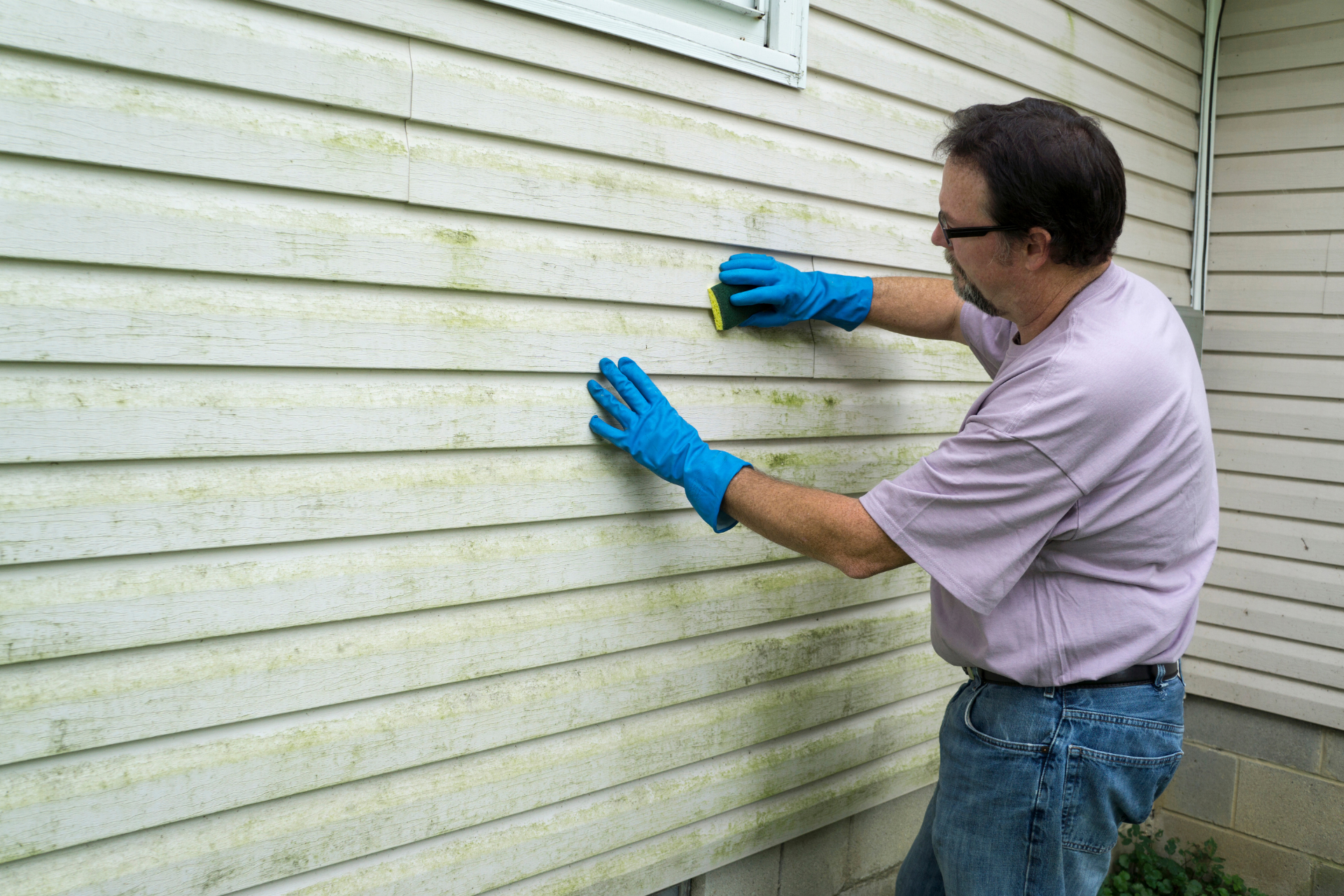
Utah's summer heat is nothing to scoff at. With temperatures soaring sometimes above 100°F, the dry air can cause rapid evaporation of moisture. While residents might breathe a sigh of relief when water-related issues that arise from melted snow in the spring eventually dry, things can get tricky. When water damage occurs, it can be deceptive. Oftentimes, it’s easy to overlook the signs of moisture intrusion that lead to mold growth. Without immediate attention, that hidden moisture can thrive in the shadows, posing a significant health risk.
As Utah Flood Guys, we see property owners’ struggles with hidden water damage time and again. Our arid climate, while seemingly forgiving, can lead to unexpected consequences when it comes to water-related issues. The combination of hot, dry air and occasional moisture not only gives rise to mold growth but can also weaken structural integrity over time, leading to larger restoration needs.
The Winter Wonderland and Fire Risks
While winters in Utah are picturesque, with snow-capped mountains creating postcard-perfect scenes, they come with their own set of challenges. Snow accumulation can be a beautiful sight but can also lead to ice dams, which block proper drainage and cause water to back up into homes, causing serious water damage.
Additionally, the dry winters—especially following a particularly dusty summer—can increase fire risk. As temperatures fluctuate, so too can the moisture levels in the air. A spark during these gusty, dry days can quickly escalate, resulting in fire damage that necessitates extensive restoration services. This inconsistent climate reminds us how crucial it is to prepare for every season and understand the implications on our properties.
Proactive Measures and Restoration Solutions
Given Utah’s unique climate, it’s essential for homeowners and business owners to adopt proactive measures when it comes to property maintenance. Regular inspections can help identify areas at risk for water or fire damage. For example, ensuring that roofs, gutters, and downspouts are in good condition can significantly reduce the likelihood of water intrusion during those tumultuous spring thaws.
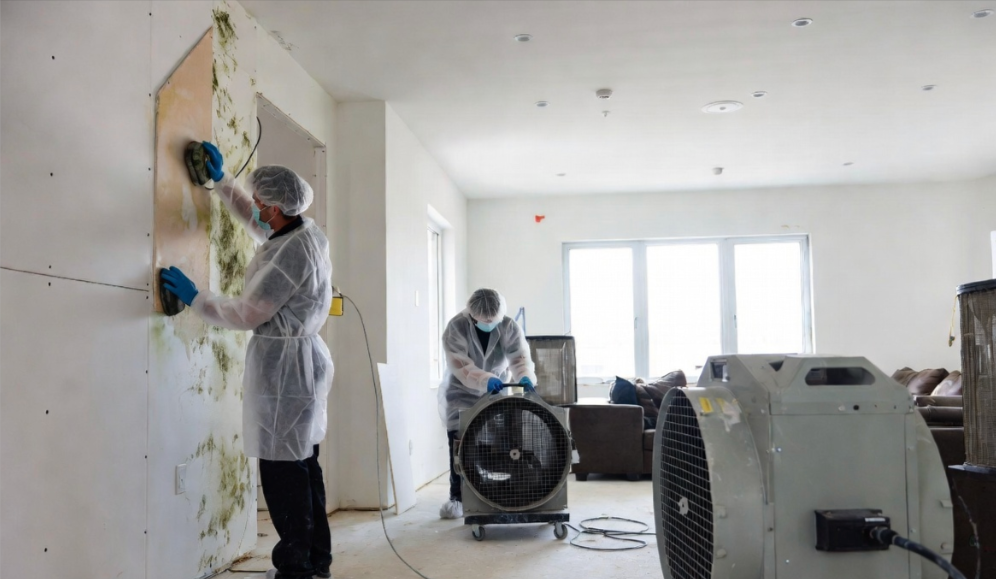
And, if the unfortunate does happen—call Utah Flood Guys! Our skilled team is here to assist you with a breadth of services, whether you're dealing with water damage, mold remediation, or fire damage restoration. We understand the challenges posed by Utah’s climate and are equipped with the knowledge and tools to address your specific needs efficiently.
Conclusion
Utah’s unique climate, with its extremes and variances, greatly impacts restoration needs across the state. By staying informed and proactive, property owners can mitigate risks and recover from damages more effectively. If you ever find yourself facing restoration challenges, remember the friendly experts at Utah Flood Guys are just a call away, ready to help restore your peace of mind!
You might also like
Utah Flood Guys Blog