Black Mold vs. Other Mold: What Every Utah Homeowner Should Know and What to Do About It
This is a subtitle for your new post

The word "mold" is enough to make most homeowners uneasy. The phrase "black mold" tends to cause outright alarm. And while that alarm isn't entirely unwarranted, much of the panic around black mold stems from misunderstanding—both about what black mold actually is and about how it compares to the other molds that commonly grow in homes.
In Northern Utah, where water damage from frozen pipes, basement flooding, and spring snowmelt is a recurring reality, mold is a topic every homeowner should understand. Knowing what to look for, what different mold types mean for your health and home, and what to do about black mold and other mold growth is practical knowledge—not just emergency knowledge.
What Is Black Mold, and Why Does It Have Such a Notorious Reputation?
"Black mold" most commonly refers to Stachybotrys chartarum, a species of mold with a distinctive dark greenish-black appearance and a well-documented association with water-damaged buildings. It earned its reputation largely because of its potential to produce mycotoxins—toxic compounds that, under certain conditions, can be released into the air and inhaled by occupants.
The health concerns associated with Stachybotrys are real but often exaggerated in popular media. For most healthy adults, exposure to moderate levels causes respiratory irritation, headaches, and fatigue. For individuals with asthma, allergies, compromised immune systems, or young children and elderly family members, the risks are more serious and warrant faster action.
What's important to understand is that not every dark-colored mold is Stachybotrys, and conversely, mold that isn't black can still pose significant health and structural risks. Color alone isn't a reliable guide—which is why knowing what to do about black mold (and its lookalikes) requires understanding the broader picture of household mold growth.
Black Mold vs. Other Mold: Understanding the Key Differences
When comparing black mold vs. other mold, a few key factors distinguish them: appearance, growth conditions, health impact, and how difficult they are to remediate.
Stachybotrys (black mold) grows slowly and requires very high moisture levels—it typically appears only after prolonged water damage, in areas with consistent dampness like flooded drywall, wet ceiling tiles, or chronically moist basements. Its texture is often slimy when wet and powdery when dry. It does not spread as rapidly as some other mold species.
Cladosporium is one of the most common household molds and can appear olive-green, brown, or black. It often colonizes window frames, bathroom grout, and HVAC components. Unlike Stachybotrys, Cladosporium can grow in cooler, drier conditions and spreads more readily.
Aspergillus is another widely encountered species that can appear in a wide range of colors — black, green, white, or gray. It's extremely common in water-damaged buildings and is a significant concern for immunocompromised individuals.
Penicillium typically appears blue-green and is often the first mold to colonize after water damage, growing quickly on porous materials like insulation and drywall. While not producing the same mycotoxins as Stachybotrys, Penicillium is a strong allergen and should be taken seriously.
The key takeaway when considering black mold vs. other mold is this: Stachybotrys may carry the most dramatic reputation, but any mold growth in a home represents a problem that warrants attention. Mold of any species growing inside walls, under floors, or in HVAC systems is a sign of a moisture problem that hasn't been fully resolved.
Why Northern Utah Homes Are Prone to Mold After Water Damage
Utah's dry climate creates a counterintuitive mold risk. Because many homeowners associate mold with perpetually humid regions, water damage events in Utah are sometimes taken less seriously than they should be. The assumption is that dry air will take care of it.
In reality, mold doesn't need ambient humidity—it needs localized moisture trapped within materials. When water saturates drywall, insulation, wood framing, or flooring in a Northern Utah home, those materials stay wet far longer than the surrounding air suggests. A basement wall that looks dry on the surface may have moisture locked inside the drywall for weeks. That's all the environment Stachybotrys and other mold species need to establish themselves.
Older homes in areas like Ogden, Logan, and Brigham City—many built with unfinished or partially finished basements—carry particular risk. Seasonal flooding from snowmelt or irrigation system failures can introduce water into spaces that are rarely fully inspected, and mold can develop undetected for months. Water damage restoration that doesn't include a mold inspection is an incomplete job.
What to Do About Black Mold: Recognizing Warning Signs
Knowing what to do about black mold starts with knowing how to spot it—and how to recognize signs of mold presence even when it isn't directly visible.
A persistent musty odor in basements, crawl spaces, or utility rooms is often the first indicator. This earthy smell is produced by microbial volatile organic compounds (MVOCs) released during active mold growth. It can be present long before any visible discoloration appears.
Visible staining on drywall, ceiling tiles, grout lines, and wooden surfaces—particularly dark greenish-black or grayish patches—warrants immediate investigation. Peeling or bubbling paint can indicate moisture behind the wall surface that may be supporting mold growth.
Physical symptoms that improve when you leave the house and worsen when you return—persistent coughing, congestion, or eye irritation—are a meaningful signal that something in your indoor environment is affecting air quality.
Any history of unaddressed or incompletely remediated water damage should trigger a mold inspection, even without visible or olfactory symptoms. Mold doesn't announce itself, and waiting for obvious signs means the problem has already grown considerably.
What to Do About Black Mold When You Find It
The appropriate response to suspected or confirmed black mold depends on the extent of the growth and where it's located. Small surface mold patches in low-risk areas—a shower grout line, a window sill—can sometimes be addressed with proper cleaning and improved ventilation. Anything beyond that warrants professional mold remediation.
There's a common misconception that bleach kills black mold effectively. While bleach can remove surface discoloration, it doesn't penetrate porous materials like drywall or wood, meaning the mold roots (hyphae) remain intact and regrowth is likely. Effective remediation removes the affected material or treats it with professional-grade antimicrobial agents under controlled conditions.
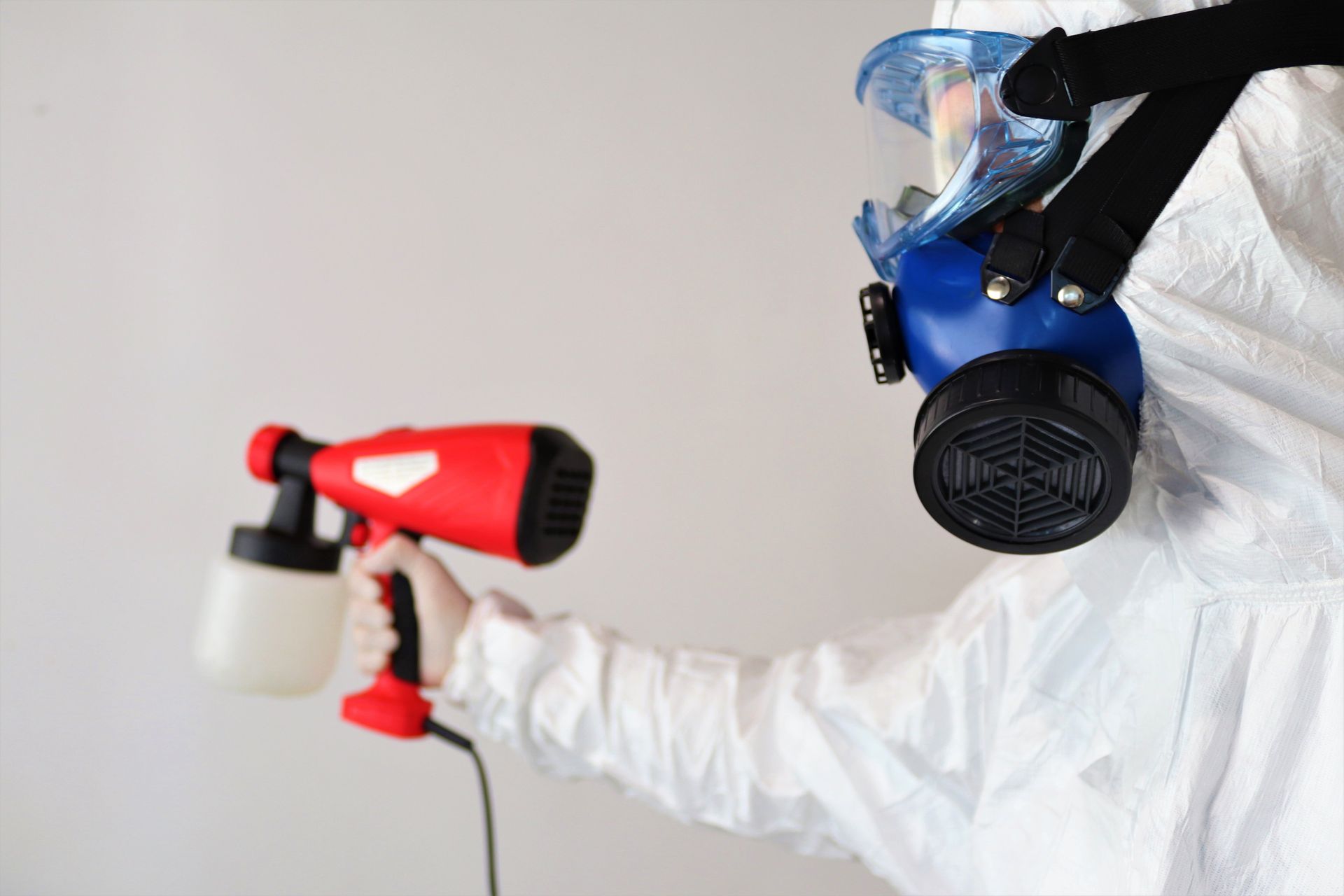
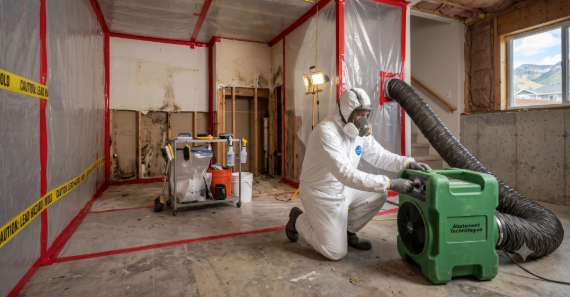
Professional mold remediation typically involves containing the affected area to prevent spore spread to unaffected rooms, removing compromised materials, treating surfaces with EPA-registered biocides, and verifying clearance with post-remediation air testing. For any Stachybotrys or extensive mold presence, this level of response is the appropriate standard—not a premium upgrade.
Equally important: addressing the source of moisture. Mold remediation without resolving the underlying water intrusion problem will result in recurrence. The flood cleanup services and water damage restoration that preceded the mold were incomplete if the moisture source wasn't fully identified and corrected.
The Relationship Between Water Damage and Mold Growth
Understanding what to do about black mold is inseparable from understanding water damage restoration. In virtually every case of Stachybotrys or significant mold growth in a home, there is a water damage event—whether a sudden flood, a slow leak, or chronic condensation—at the root of it.
This is why the timeline of water damage response matters so much. Mold begins colonizing wet materials within 24 to 48 hours under the right temperature conditions. Thorough structural drying within that window dramatically reduces mold risk. When water damage restoration is delayed or done incompletely—materials dried only to the touch but still holding moisture at their cores—mold almost inevitably follows.
In Northern Utah, where emergency flooding events can coincide with periods of high demand for restoration services, knowing a trusted local provider ahead of time is valuable. The difference between a complete water damage restoration that includes moisture verification and one that stops at surface cleanup can be measured in months of mold remediation costs down the road.
When to Call a Professional and What to Expect
There's a reasonable threshold for DIY mold response—small, isolated patches on non-porous surfaces in well-ventilated areas. Below that threshold, professional assessment is the right call. For anything involving black mold or other mold in hidden spaces, HVAC systems, or areas larger than roughly 10 square feet, professional remediation isn't optional—it's the responsible path forward.
A professional mold assessment begins with a thorough inspection, often using moisture meters and sometimes air sampling to identify species and spore concentrations. From there, a scope of work is developed that outlines what needs to be removed, treated, and verified.
For Northern Utah homeowners dealing with both water damage and suspected mold, choosing a restoration company that handles both services ensures consistent documentation, coordinated scheduling, and a single accountable team from the initial flood cleanup through final mold clearance testing. Fragmented responses—one company for water, another for mold—can create gaps in accountability and leave moisture problems partially unresolved.
The Bottom Line: Take All Mold Seriously, Not Just Black Mold
The cultural fixation on black mold is understandable but incomplete. When evaluating black mold vs. other mold, the honest answer is that all mold growth in a home is a problem worth addressing promptly, and that Stachybotrys is simply the most well-known representative of a broader category of risk.
For Utah homeowners, the practical priorities are: respond to water damage quickly and thoroughly, verify structural drying with moisture readings rather than assumptions, and don't ignore persistent musty odors or unexplained health symptoms. When mold is found, address the moisture source simultaneously with the mold itself.
Knowing what to do about black mold and other household mold isn't about panic—it's about being an informed homeowner who understands the relationship between water, materials, and biology. With the right response and the right help, mold is a manageable problem, not a permanent one.
You might also like
Utah Flood Guys Blog