Fire Damage Cleanup: A Guide for Homeowners
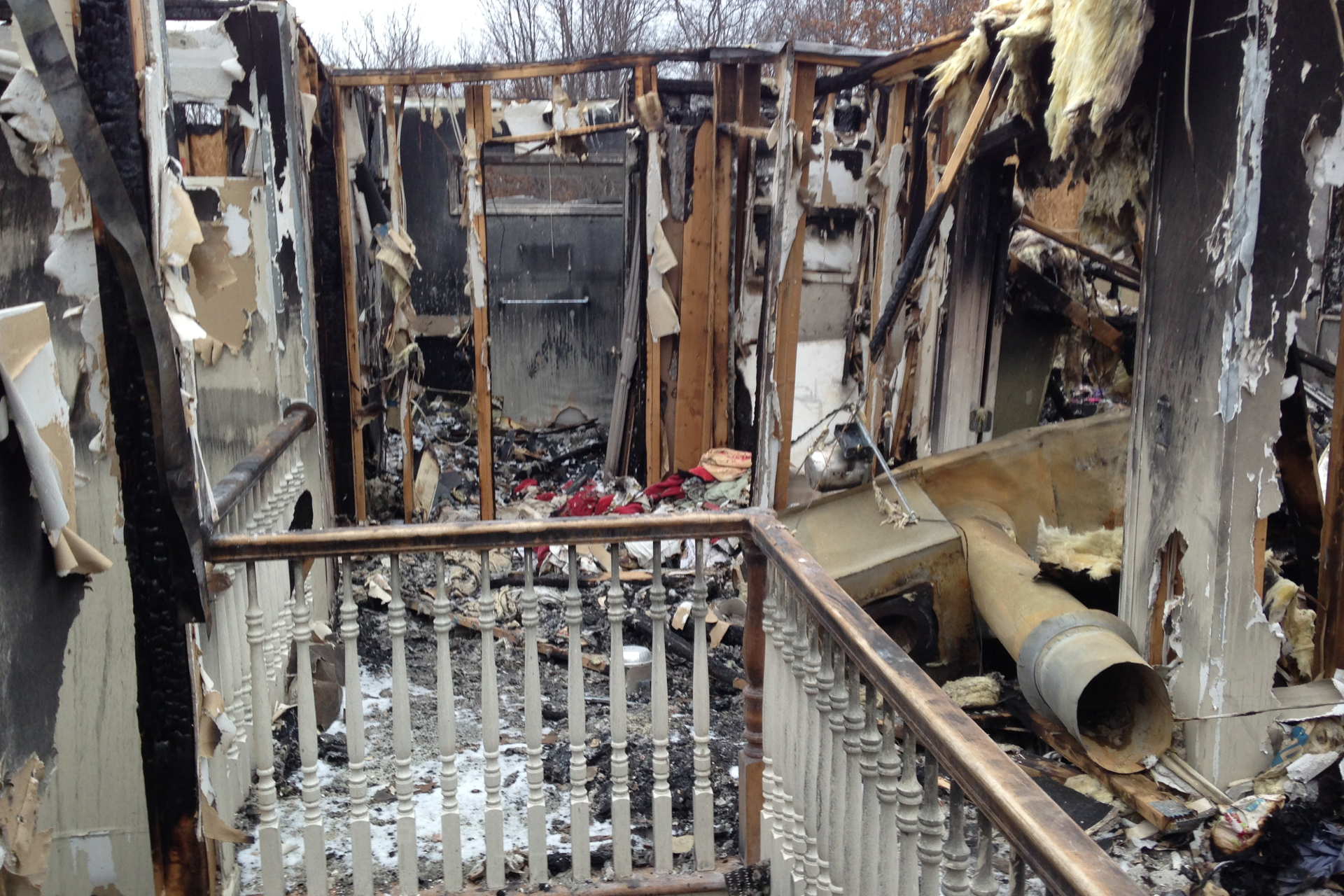
When a fire strikes, the aftermath can be devastating—not only in terms of physical damage but also in the emotions that follow. If you’re a homeowner dealing with this unfortunate scenario, knowing how to navigate the cleanup process can make all the difference. At Utah Flood Guys, we understand the challenges you face, and we're here to help guide you through the fire damage cleanup process.
Assess the Damage
The first step is to assess the damage. Once it’s safe to enter your home, take a few moments to evaluate the areas affected by the fire. Look for burnt materials, smoke damage on walls and ceilings, and any water damage from firefighting efforts. Make notes or take photos for your records, as this documentation will be essential when dealing with your insurance company.
Safety First
Always prioritize safety. Before you start any cleanup, ensure the structure is stable and free of hazards like exposed wires or unstable surfaces. If you're unsure about the safety of your home, it’s wise to seek the help of professionals. At Utah Flood Guys, our trained team can evaluate the risks and help you safely navigate your property.
Contact Your Insurance Company
Once you've assessed the damage, get in touch with your insurance company. Provide them with your detailed notes and photos of the damage. They will guide you through the claims process and inform you about what is covered under your policy. Be sure to keep all communication documented, just in case any issues arise later on.
Begin the Cleanup Process
After speaking with your insurance adjuster, it's time to roll up your sleeves—or better yet, call in the experts! Fire damage cleanup is a task that often requires specialized knowledge and equipment. Here’s a basic rundown of what you can expect during the cleanup:
1. Remove Debris
Start by carefully removing any charred or damaged items from your home. This includes burnt furniture, destroyed personal belongings, and hazardous materials. Wear protective gear, such as gloves and masks, to avoid inhaling harmful substances.
2. Eliminate Odors
Smoke can linger long after the flames are extinguished. Our team at Utah Flood Guys uses specialized equipment and techniques to effectively eliminate smoke odors, ensuring your home smells fresh again.
3. Clean Surfaces
With the debris cleared, the next step is to clean all affected surfaces. This includes washing walls, ceilings, and floors with appropriate cleaning solutions to remove soot and contaminants.
4. Repair & Restore
Finally, it’s time to start making repairs. Depending on the extent of the damage, you may need to replace drywall, paint, or even rebuild sections of your home. Our restoration specialists can help guide you through this process to ensure that your home is safe and restored to its original condition.
Know When to Call Professionals
While some homeowners may feel comfortable tackling fire damage cleanup on their own, we highly advise hiring professionals, especially for extensive damage. At Utah Flood Guys, we offer comprehensive restoration services tailored to your needs. Our expertise ensures you receive the best care and the quickest turnaround possible.
In the face of tragedy, remember that you’re not alone. With the right knowledge and support, recovery from fire damage is entirely within reach. If you need assistance, contact Utah Flood Guys today to start your journey back to a safe and comfortable home.
You might also like
Utah Flood Guys Blog