Disaster Preparedness: Are You Ready for the Next Big Event?
As we navigate through life, it’s easy to feel invincible—until disaster strikes. One moment everything seems normal, and the next, you’re facing a water-logged basement, smoke damage, or the potential for mold taking over your home. At Utah Flood Guys, we know firsthand the chaos that can ensue when Mother Nature decides to unleash her fury. That’s why it’s crucial to be prepared, not just for the aftermath of a disaster, but before it even happens.
Understanding the Risks
Living in Utah, we face a unique set of risks, from flash floods and heavy storms to wildfires and even the occasional earthquake. Each of these events can lead to severe property damage if we aren’t prepared. But here’s the good news: a little foresight can make a world of difference. By understanding the specific risks in our area, we can devise a plan tailored to our needs.
Create a Disaster Plan
The first step in disaster preparedness is having a solid plan. Gather your family (or roommates!) and discuss the potential threats you may face. What would you do if a flood warning was issued? How would you get out of your home if a fire broke out? Having these conversations upfront allows everyone to know their role in the event of an emergency.
When creating your plan, include an emergency contact list, designated meeting spots, and ways to communicate if cell service goes down. Remember, being prepared also means being informed. Keep a battery-operated radio or a disaster preparedness app handy to stay updated during an event.
Build an Emergency Kit
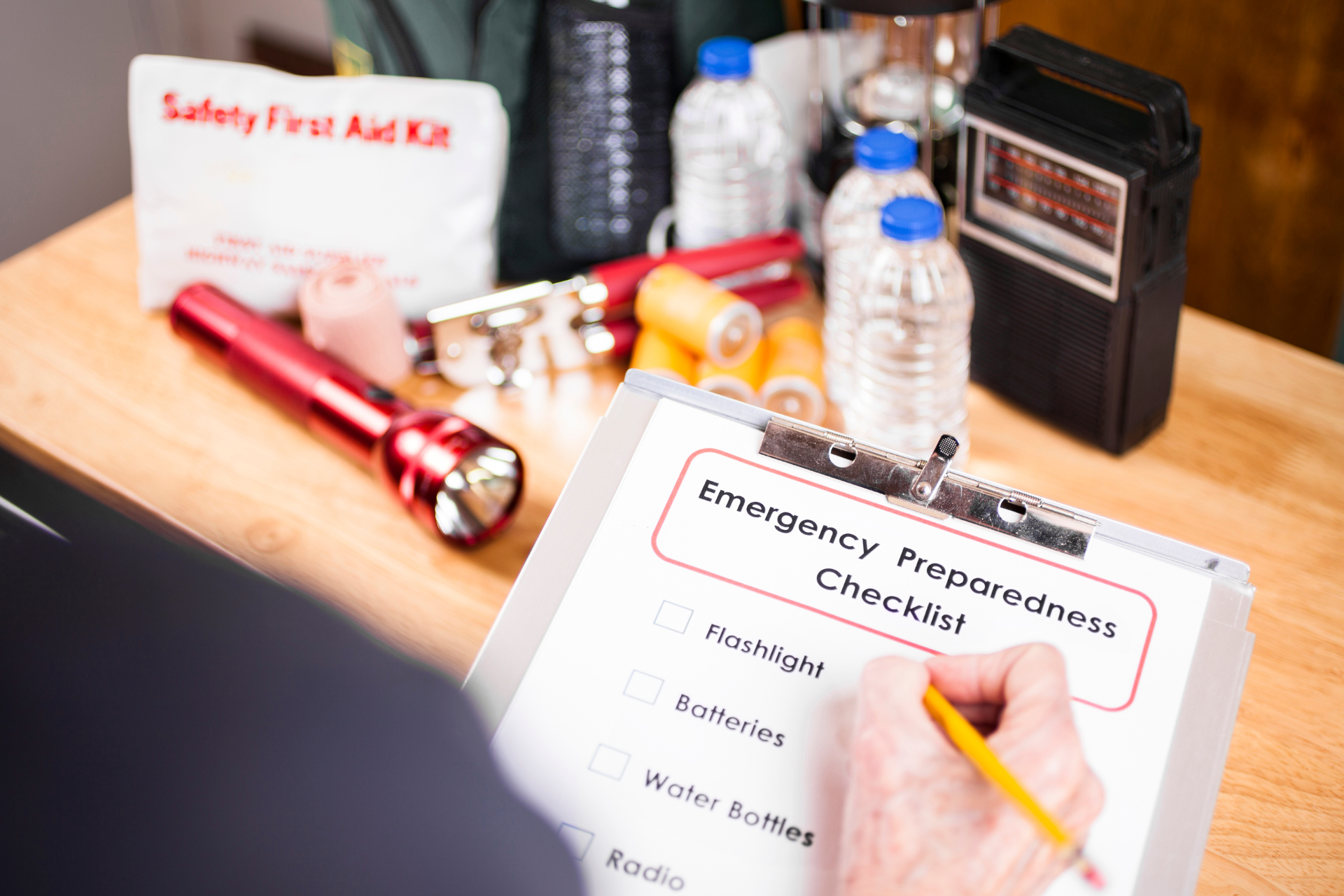
Every household should have a well-stocked emergency kit. This kit should include essentials like water, non-perishable food, medications, flashlights, batteries, and first-aid supplies. Don’t forget about your pets—include their food and water as well. Storing everything in a waterproof container can be a lifesaver if flooding occurs.
It’s also wise to keep important documents (like identification, insurance papers, and a list of your household possessions) in a waterproof bag as part of your emergency kit. This ensures that you have what you need to start the recovery process, no matter the disaster.
Home Maintenance Matters
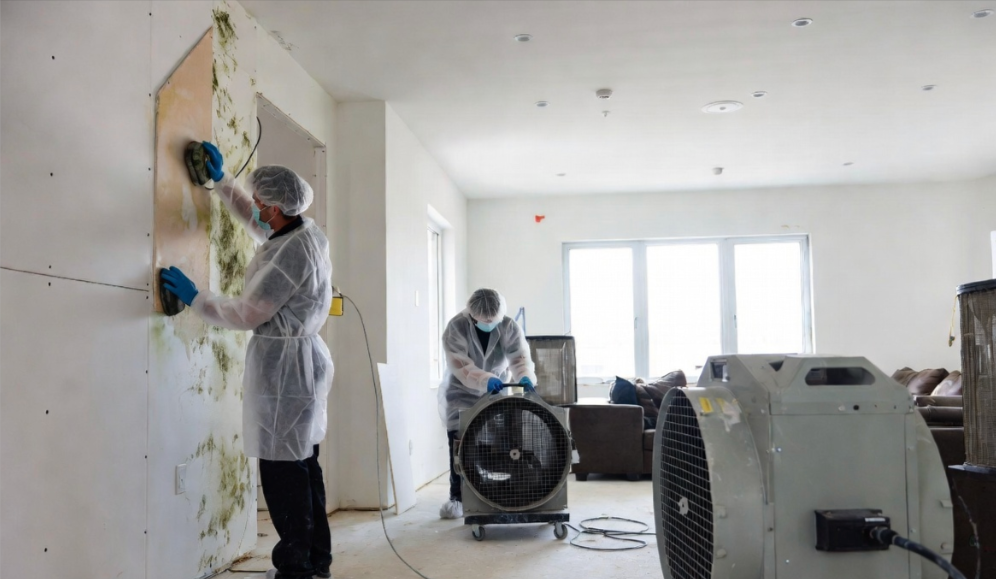
Preventative maintenance goes a long way in disaster preparedness. Regularly check your roof for leaks, clear your gutters, and ensure your sump pump is functioning correctly. For those living near flood-prone areas, consider investing in flood barriers or sandbags. If you notice any signs of mold in your home, don’t wait! Addressing a mold issue before it gets out of hand can save you time, money, and health concerns down the line.
After the Disaster: Call the Experts
When disaster does strike, Utah Flood Guys is here for you. Our experienced team is ready to assist in water damage restoration, mold removal, and fire damage cleanup, ensuring your home gets back to normal as quickly as possible. We understand that the recovery process can be overwhelming, but you don’t have to face it alone.
In conclusion, it’s better to be proactive than reactive when it comes to disaster preparedness. By creating a disaster plan, building an emergency kit, maintaining your home, and knowing when to reach out for help, you can face any situation with confidence. So, take the time now—because when the next big event occurs, you want to be ready!
You might also like
Utah Flood Guys Blog