Understanding Your Insurance Coverage For Water And Fire Damage
Navigating the world of insurance can often feel like trying to solve a complicated puzzle, especially when disasters like water or fire damage strike. At Utah Flood Guys, we know how overwhelming it can be to deal with the aftermath of a disaster. Not only do you have to manage the physical cleanup, but you also need to understand your insurance coverage to ensure you’re adequately protected. Let’s break it down together.
What Does Your Homeowners Insurance Cover?
Most homeowners insurance policies typically cover damage caused by fire, smoke, and water (with some exceptions). For fire damage, policies generally cover the cost of repairs, replacement of personal belongings, and living expenses if you need to find temporary housing. However, it’s crucial to read your policy closely because coverage can vary widely.
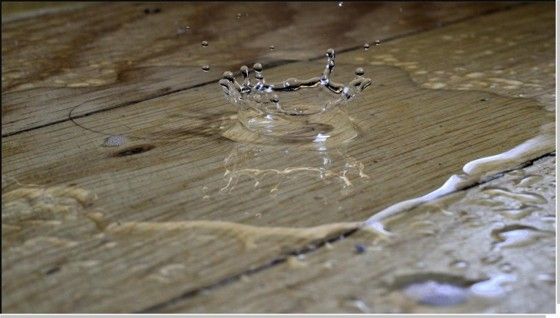
When it comes to water damage, things can get a bit trickier. Many standard policies cover sudden and accidental water damage, such as a burst pipe or an overflowing tub. However, damage caused by long-term issues, like a slow leak or flooding, might not be covered without additional flood insurance. If you live in an area prone to flooding, it’s wise to invest in a separate flood policy.
Understanding Exclusions and Limitations
Every insurance policy has its exclusions and limitations. It’s essential to know what your policy excludes. Common exclusions include damage from neglect, lack of maintenance, or certain natural disasters. For example, ground or rising water, commonly associated with floods, might not be covered under a standard homeowners policy. Reading through your policy’s fine print can help you avoid unpleasant surprises when you need to file a claim.
Documenting Damage for Your Claim
If disaster does strike, documenting the damage is vital for a successful insurance claim. Take photos and videos of the affected areas and any damaged belongings. Make a list of your valuable items and their approximate value. This information can be invaluable when working with your insurance adjuster. Keeping a detailed record will support your case and help expedite the claims process, getting you the assistance you need faster.
Working With Utah Flood Guys
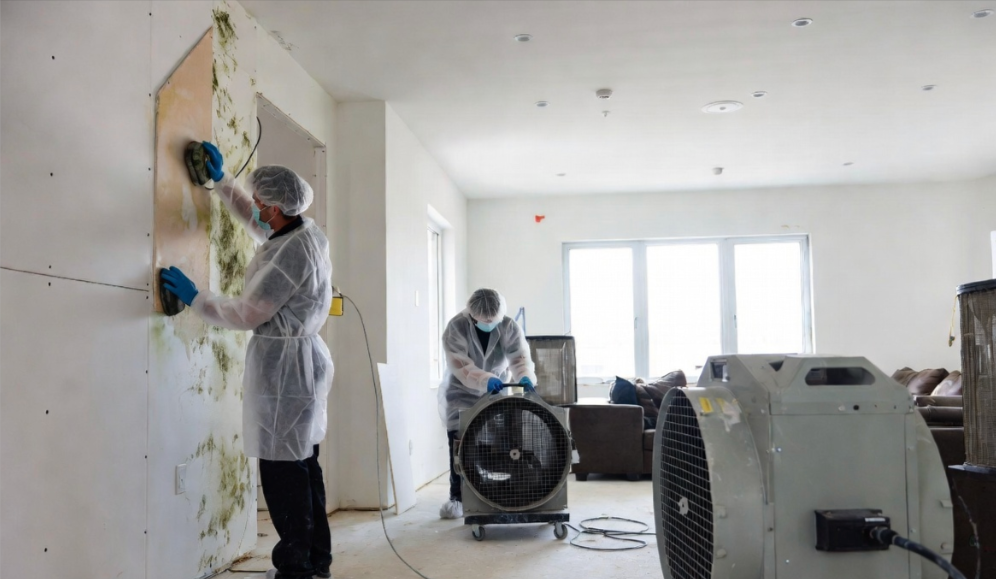
After you've experienced water or fire damage, your primary focus should be on recovery and restoration. That’s where we come in. At Utah Flood Guys, we specialize in disaster cleanup, including water damage restoration, mold removal, and fire damage repair. We understand how insurance works, and we can help guide you through the process.
Our team is experienced in coordinating with insurance companies, ensuring you’re getting the coverage you deserve. You don’t have to navigate the recovery process alone. With our expertise, we’ll not only help restore your property but also make the claims process as seamless as possible.
In Conclusion
Understanding your insurance coverage for water and fire damage doesn’t have to feel overwhelming. By familiarizing yourself with the ins and outs of your policy, documenting damages carefully, and seeking the help of professionals, you can navigate these challenges more effectively. Remember, at Utah Flood Guys, we’re here to support you every step of the way. Your recovery is our priority, and together, we’ll bring your home back to its former glory. Stay safe and don’t hesitate to reach out if you need assistance!
You might also like
Utah Flood Guys Blog