The Latest Technologies In Fire Damage Restoration
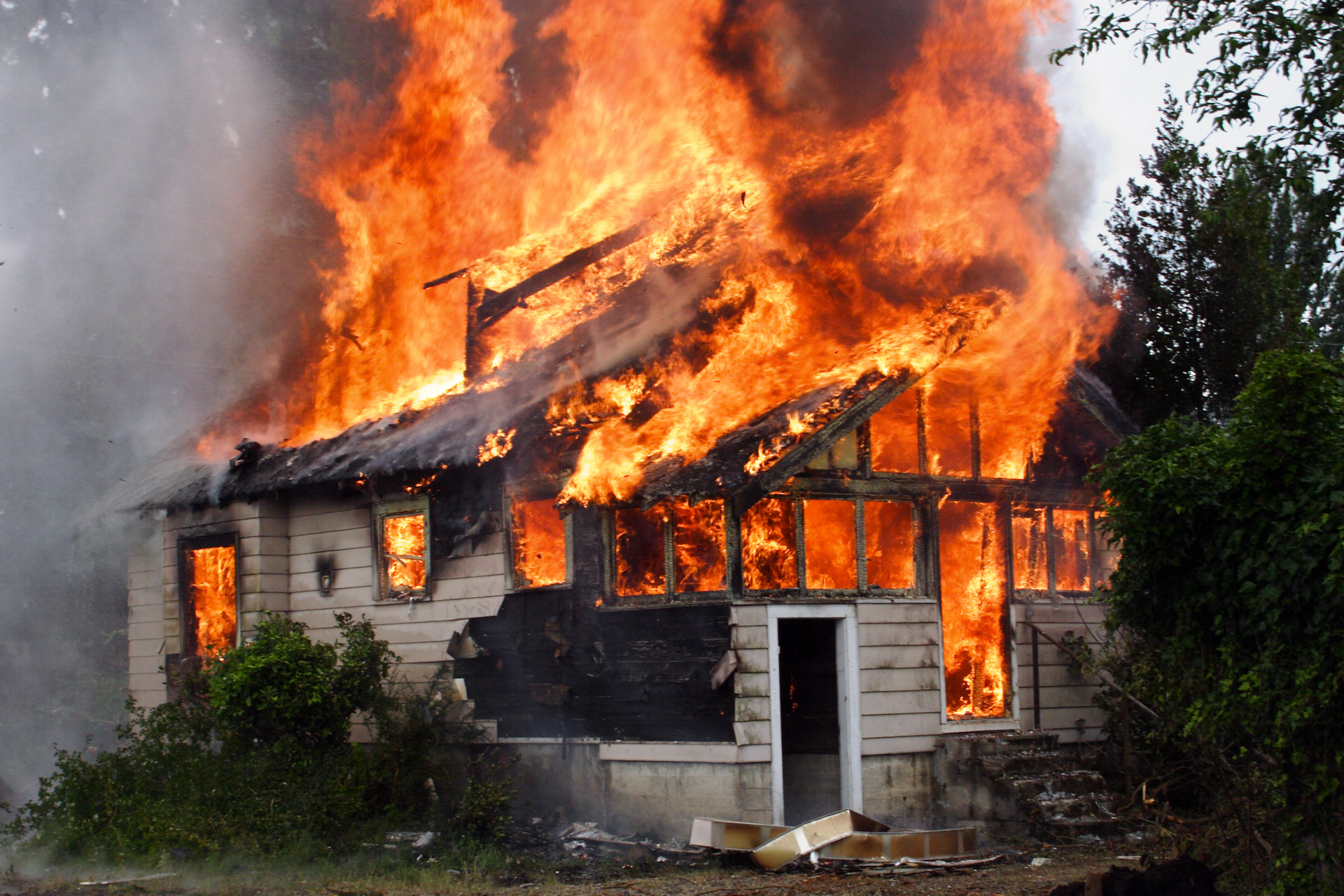
When disaster strikes and flames wreak havoc on your property, the aftermath can be overwhelming. Thankfully, the world of fire damage restoration has advanced significantly, bringing along innovative technologies that make recovery faster, more efficient, and thorough. At Utah Flood Guys, we pride ourselves on staying ahead of the curve, ensuring that our clients benefit from the latest advancements in the industry. Let’s dive into some of these cutting-edge technologies that are changing the game in fire damage restoration.
1. Thermal Imaging Cameras
One of the most transformative tools in fire damage restoration is the thermal imaging camera. These devices allow restoration experts to see beyond the visible damage, identifying areas that may be suffering from hidden heat pockets or moisture. By detecting these issues early on, technicians can target their efforts where it's needed most, ensuring that no residual damage lingers. This technology not only improves the assessment process but also helps in planning an effective restoration strategy.
2. Advanced Air Filtration Systems
Post-fire environments often contain harmful particles, soot, and smoke residues that can affect indoor air quality. Advanced air filtration systems, including HEPA (High-Efficiency Particulate Air) filters, play a vital role in cleaning the air in the aftermath of a fire. By effectively removing particles from the air, these systems help protect the health of you and your loved ones. Plus, a cleaner environment supports quicker recovery of your home or business.
3. Ozone Generators
When it comes to odor removal after a fire, ozone generators have proven to be a go-to solution. These machines produce ozone, a reactive form of oxygen that helps eliminate persistent smoke odors. While it's essential to use these generators safely and in controlled environments, when applied correctly, they can leave your space smelling fresh again, allowing you to move forward after the trauma of a fire incident.
4. Structural Drying Equipment
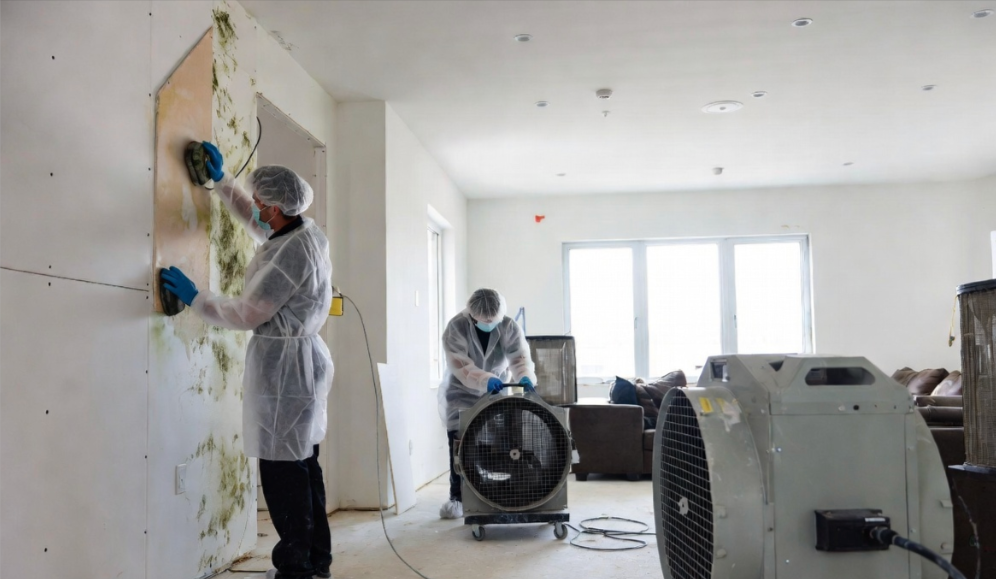
After firefighting efforts, dealing with water damage becomes another critical concern. Modern structural drying equipment, including air movers and dehumidifiers, can address both the water and smoke damage efficiently. With these tools, restoration specialists can dry out structures rapidly, minimizing the risk of mold growth and further complications. This technology ensures a comprehensive approach, tackling both aspects of fire damage effectively.
5. Extraction Equipment
Removal of charred materials and debris is crucial for a successful restoration. Professional-grade extraction equipment makes this task much easier and cleaner. Whether it’s removing burnt furniture, drywall, or other affected materials, advanced extraction tools allow for quicker and more efficient debris removal, accelerating the restoration timeline.
6. Software for Project Management
The restoration industry is now embracing technology in the form of project management software. These tools help streamline communication, track timelines, and manage costs effectively during the restoration process. For property owners like you, this means getting real-time updates and a clearer understanding of the restoration journey, from initial assessment to project completion.
In conclusion, the latest technologies in fire damage restoration are paving the way for better outcomes and more efficient processes. At Utah Flood Guys, we utilize these advanced tools to ensure that your property is restored to its pre-fire condition as quickly and thoroughly as possible. When disaster strikes, you can count on us to leverage the best technologies available to protect your home or business. Your recovery is our priority, and we're here to help you every step of the way!
You might also like
Utah Flood Guys Blog