
How to Protect Your Home From Wildfire Damage in Utah
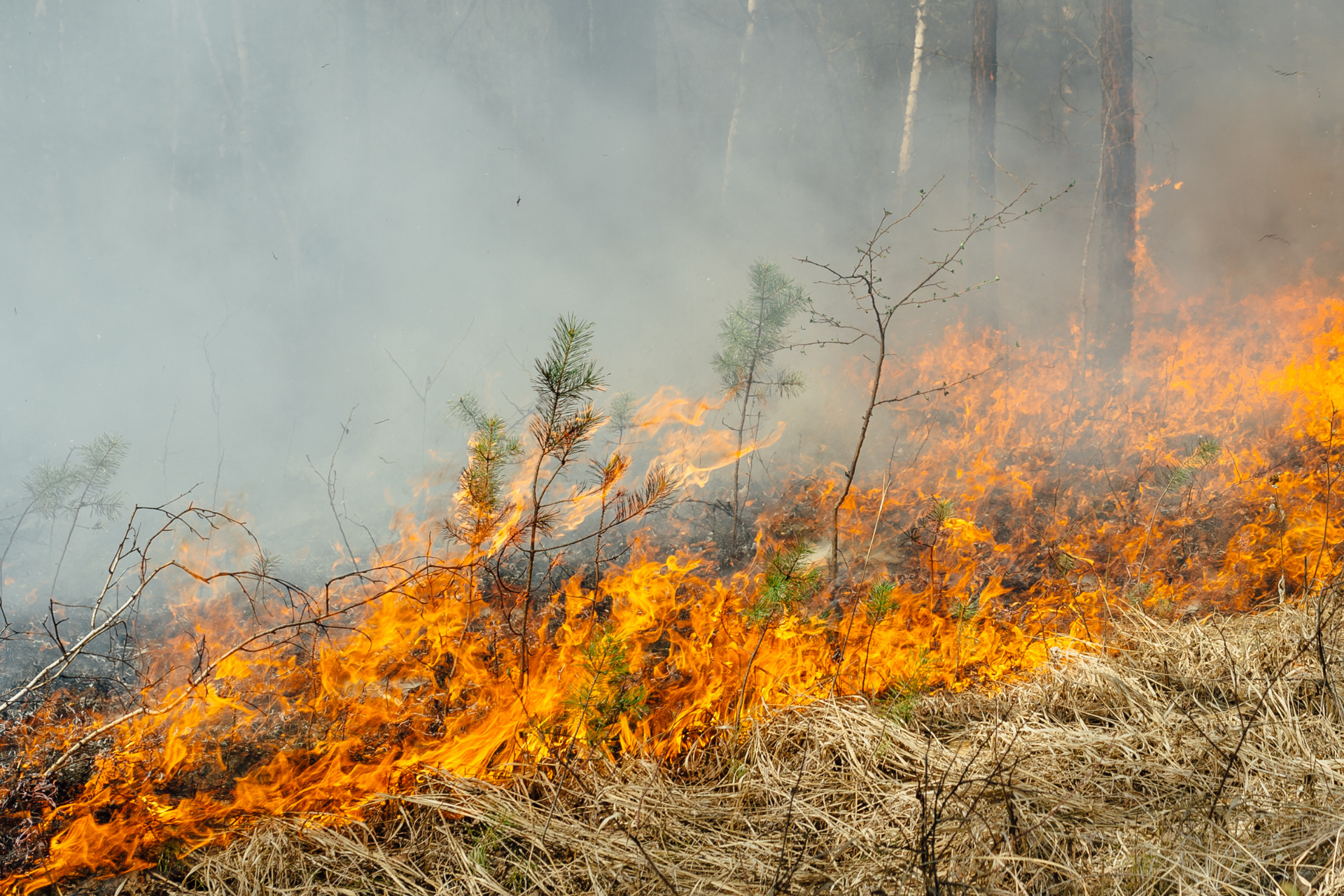
Wildfires are a growing concern in Utah, especially with our dry climate and increasing temperatures. The risk seems to creep up every summer, making it essential for homeowners to take proactive measures to safeguard their properties. Fortunately, protecting your home from wildfire damage doesn’t have to be a daunting task. Here are some practical steps you can take to defend your castle against the flames.
1. Create a Defensible Space
The first line of defense against wildfires is creating a defensible space around your home. This space is typically categorized into zones, each with specific recommendations:
- Zone 1 (0-5 feet around your home)
This should be a non-flammable area. Use non-combustible materials for patios, walkways, and fences. Remove any flammable materials, including firewood stacks, leaves, and debris.
- Zone 2 (5-30 feet)
Here, you can plant greenery but choose fire-resistant plants. Trim trees and shrubs to ensure they are spaced apart adequately, with no low branches touching the ground.
- Zone 3 (30-100 feet)
This area should also be maintained, keeping grasses mowed and shrubs well-pruned. Aim for a good balance of open space and vegetation, which can act as a barrier against flames.
2. Fire-Resistant Building Materials
If you're considering renovations or building anew, opting for fire-resistant materials can make a significant difference. Materials like stucco, brick, or metal roofs can help protect your home from flames. Additionally, double-paned windows resist heat better than single-paned ones, enhancing your home's safety during wildfire season.
3. Maintain Your Landscape
Regular maintenance of your landscape is key. Keeping your yard free of debris, dead leaves, and dry plants minimizes fire fuel, while regularly watering your plants helps keep them hydrated and less flammable. Also, consider using gravel mulch instead of wood chips, as it's less likely to catch fire.
4. Protect Vents and Openings
Vents can be entry points for embers, which may ignite your home even miles away from the actual fire. Use metal mesh with openings no larger than a quarter inch to cover vents. It’s small changes like this that can greatly enhance safety during wildfire conditions.
5. Create an Emergency Kit
Preparation is vital. Have an emergency kit ready, including essentials like water, food, and medical supplies. Ensure everyone in your household knows your evacuation plan and the route to take if a wildfire approaches.
6. Stay Informed
Finally, stay ahead of potential dangers by being informed. Sign up for local alerts and monitor fire maps, especially during peak wildfire season. Having the latest updates can give you critical time to react if a fire threatens your area.
Conclusion
At Utah Flood Guys, we believe that being proactive is the best approach to protecting your home from wildfire damage. While we specialize in restoration and clean-up services after disasters, our goal is to help you prevent damage before it happens. By implementing these protective measures, you can breathe a little easier and enjoy the beautiful Utah landscape without undue worry.
Stay safe, stay prepared, and remember: when disaster strikes, we’re just a call away!
You might also like
Utah Flood Guys Blog