Understanding the Fire Restoration Process: From Assessment to Completion
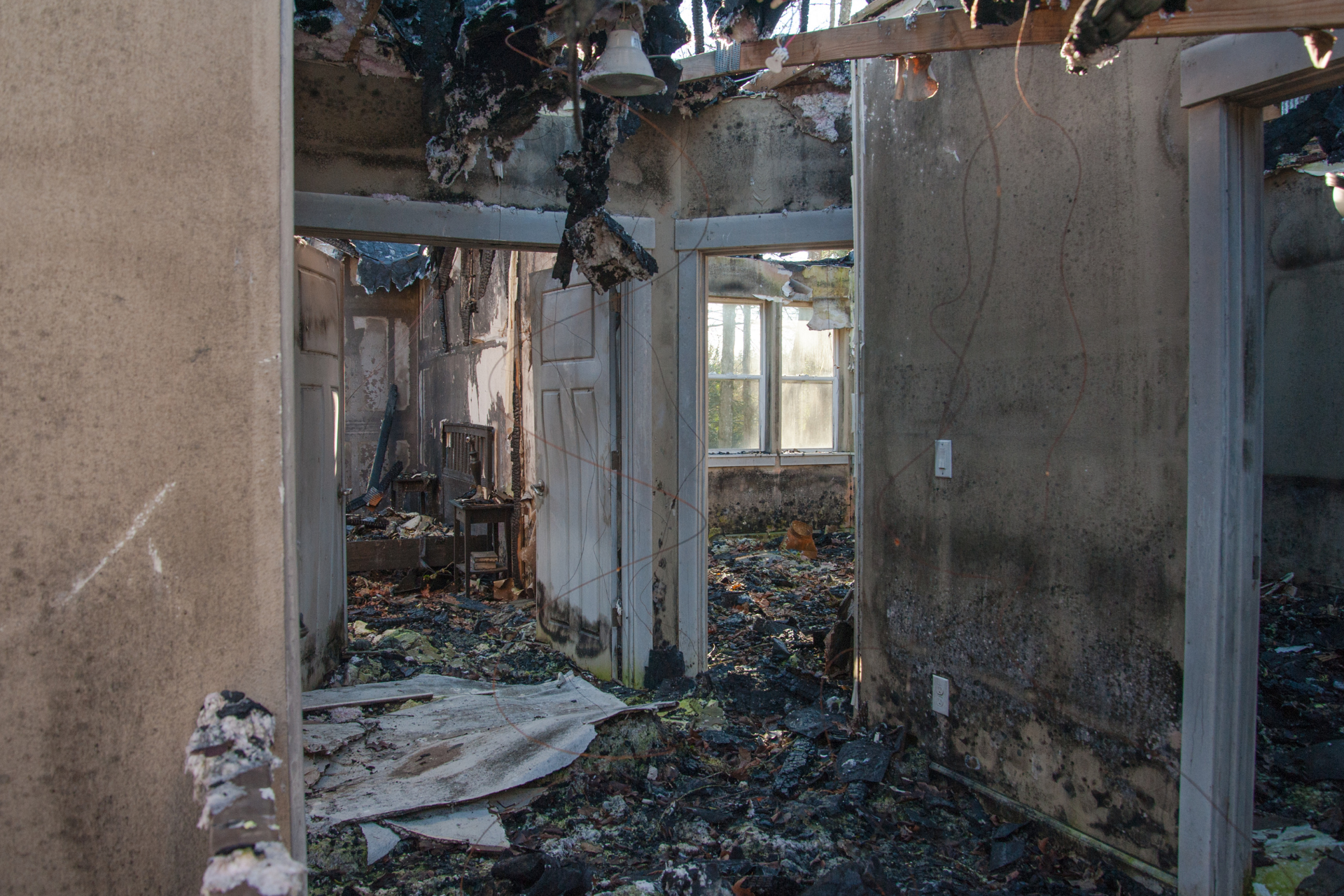
Fires are devastating events that can turn your life upside down in an instant. In the aftermath of a fire, dealing with the restoration process can seem overwhelming and daunting. However, having a basic understanding of the fire restoration process can help ease some of the stress and confusion that often comes with such a disaster. At Utah Flood Guys, we're here to guide you through every step of the way, from the initial assessment to the completion of the restoration project.
Assessment
The first step in the fire restoration process is the assessment of the damage. Our team of professionals will conduct a thorough inspection of your property to determine the extent of the fire damage. This includes assessing the structural integrity of the building, identifying areas that are unsafe to enter, and documenting all damages for insurance purposes. By understanding the scope of the damage, we can develop a comprehensive plan to restore your property to its pre-fire condition.
Containment
Once the assessment is complete, the next step is to contain the damage to prevent it from spreading further. This may involve boarding up windows, tarping the roof, and securing the property to prevent unauthorized access. Containment is crucial in minimizing secondary damage and ensuring the safety of everyone involved in the restoration process.
Cleanup and Removal
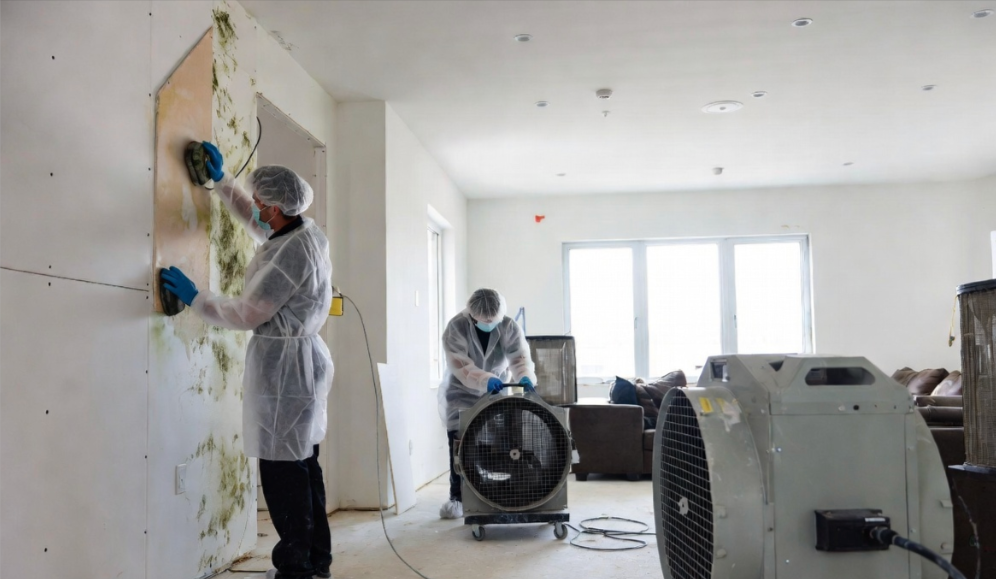
The cleanup and removal phase of the fire restoration process involve removing debris, soot, and smoke residues from the property. Our team uses specialized equipment and techniques to clean and sanitize affected areas, including carpets, upholstery, walls, and ceilings. We also dispose of damaged materials in a safe and environmentally friendly manner, following all local regulations and guidelines.
Restoration
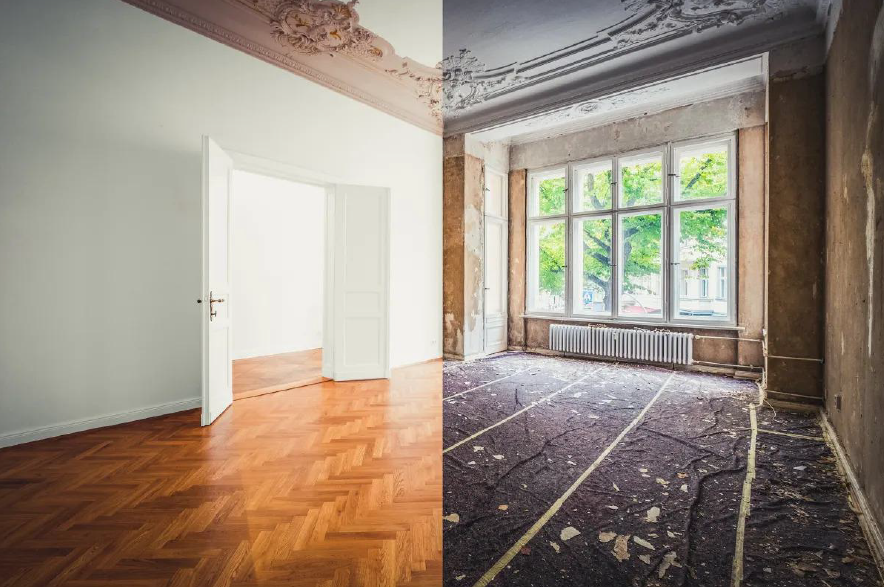
With the property cleaned and prepped, the restoration phase can begin. This involves repairing and rebuilding any structural damage caused by the fire. Our team works diligently to restore your property to its pre-fire condition, using high-quality materials and expert craftsmanship. We take pride in our attention to detail and ensure that every aspect of the restoration is completed to your satisfaction.
Smoke Odor Removal
Smoke odors can linger long after the fire has been extinguished, leaving your property smelling unpleasant and triggering respiratory issues. Our team utilizes advanced techniques such as thermal fogging, ozone treatments, and air scrubbers to eliminate smoke odors and improve indoor air quality. We work tirelessly to ensure that your property is not only visually restored but also free of any lingering odors.
Final Inspection and Completion
Before we consider the fire restoration process complete, a final inspection is conducted to ensure that every aspect of the restoration has been addressed. Our team will walk through the property with you to ensure that you are satisfied with the results. We take great pride in our work and are dedicated to providing top-quality restoration services that exceed your expectations.
In conclusion, the fire restoration process is a complex and multifaceted endeavor that requires expertise, equipment, and dedication. At Utah Flood Guys, we understand the challenges you face in the aftermath of a fire and are here to help you navigate through the restoration process with ease. From assessment to completion, our team is committed to providing prompt, professional, and reliable services to restore your property and peace of mind. If you find yourself in need of fire restoration services, don't hesitate to contact us. We're here to help you every step of the way.
You might also like
Utah Flood Guys Blog