Preparing Your Utah Home for the Spring Thaw: Preventing Water Damage
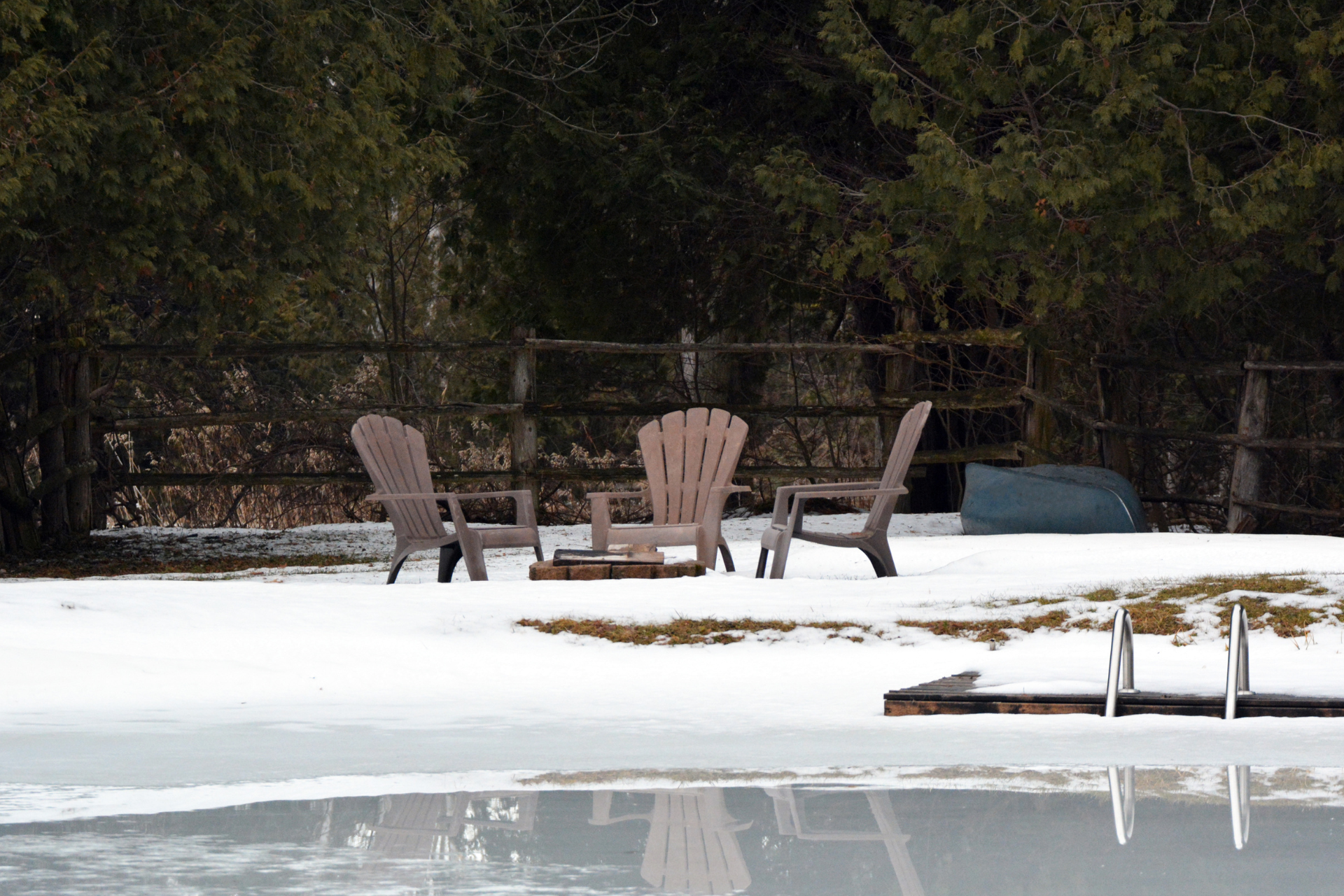
As the chilly winter months begin to fade away and the warmer temperatures of spring approach, it's a time of transition for Utah homeowners. While many look forward to the thawing snow and blooming flowers, it's important to be mindful of the potential risks that come with the changing season. One of the most significant threats to your home during this time is water damage caused by the spring thaw.
Utah is no stranger to the powerful forces of nature, and the melting snow and ice can put your home at risk of flooding, leaks, and other forms of water damage. To help you protect your property and prevent costly repairs, Utah Flood Guys is here to share some essential tips for preparing your Utah home for the spring thaw.
Inspect Your Roof and Gutters
One of the first areas to check before the spring thaw is your roof. The weight of snow and ice can cause damage to your roof, leading to leaks and water infiltration. Look for missing, damaged, or loose shingles, as well as signs of water stains on your ceiling. Make any necessary repairs or replacements to ensure your roof is in good condition.
Additionally, clean out your gutters and downspouts to allow for proper drainage. Clogged gutters can lead to water overflowing and pooling near your foundation, increasing the risk of water damage to your home. By keeping your roof and gutters in good shape, you can minimize the potential for leaks and flooding.
Check Your Foundation
Inspecting your foundation is crucial in preventing water damage during the spring thaw. Look for cracks, gaps, or signs of water infiltration around your foundation. Make sure your foundation is properly sealed and consider applying waterproofing products if needed. Proper drainage around your foundation is essential, so ensure that water is directed away from your home to prevent pooling and seepage.
Protect Your Basement and Crawl Space
Basements and crawl spaces are vulnerable areas when it comes to water damage. Before the spring thaw, check for signs of moisture, mold, or leaks in these areas. Seal any cracks in your basement walls and floors, and consider installing a sump pump or backup generator to help with drainage in case of flooding.
Inspect Your Plumbing
Freezing temperatures can wreak havoc on your plumbing system, leading to burst pipes and water leaks. Inspect your pipes for any signs of damage or leaks, and make any necessary repairs before the spring thaw arrives. Ensure that your pipes are properly insulated, especially in unheated areas such as basements, crawl spaces, and attics.
Prepare for Emergencies
Despite your best efforts to prevent water damage, emergencies can still happen. It's essential to have a plan in place in case of flooding or water damage. Know where your main water shut-off valve is located and how to turn it off in case of a burst pipe or flooding. Keep emergency contact information, including Utah Flood Guys, readily available in case you need professional assistance with water damage restoration.
By taking proactive steps to prepare your Utah home for the spring thaw, you can safeguard your property against water damage and minimize the risk of costly repairs. Remember, prevention is key when it comes to protecting your home from the impact of melting snow and ice. Stay vigilant, stay prepared, and enjoy a worry-free transition into the spring season!
You might also like
Utah Flood Guys Blog