Emergency Preparedness: What to Do When Disaster Strikes
When disaster strikes, whether it’s a burst pipe flooding your home, a fire engulfing your property, or mold taking over your walls, it can be a frightening and overwhelming experience. In times like these, it’s crucial to stay calm and take immediate action to minimize the damage and ensure the safety of yourself and your loved ones. As your trusted partners in disaster cleanup, Utah Flood Guys are here to provide you with practical tips on what to do when disaster strikes.
1. Stay Safe
The first and most important step when disaster strikes is to ensure the safety of everyone involved. If there is a fire, evacuate the premises immediately and call emergency services. If you are dealing with water damage, turn off the main water supply to prevent further flooding and electrical hazards. Mold infestations can cause health problems, so it’s important to wear protective gear such as gloves and masks when dealing with mold.
2. Contact Professionals
After ensuring the safety of everyone, the next step is to contact professional disaster cleanup services like Utah Flood Guys. Our team of experts is trained to handle a wide range of disasters, from water damage and mold removal to fire damage restoration. We have the experience and equipment to assess the situation, develop a comprehensive cleanup plan, and restore your property to its pre-disaster condition.
3. Document the Damage
Before cleanup and restoration work begins, it’s essential to document the damage for insurance purposes. Take photographs and videos of the affected areas, including any personal belongings that have been damaged. Keep a record of all communication with your insurance company and disaster cleanup professionals to ensure a smooth claims process.
4. Water Damage Cleanup
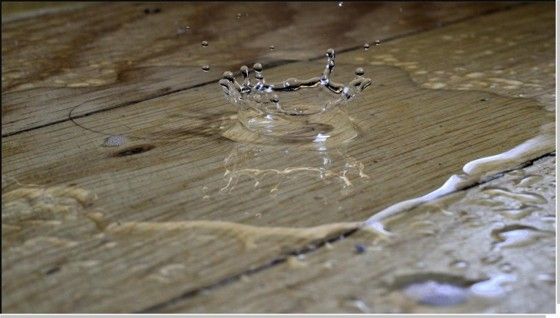
Water damage can occur from various sources such as burst pipes, sewage backups, or natural disasters. To prevent further damage and mold growth, it’s important to extract standing water, dry out the affected areas, and dehumidify the space. Utah Flood Guys use advanced equipment such as industrial-grade dehumidifiers and air movers to quickly and effectively dry out your property.
5. Mold Removal
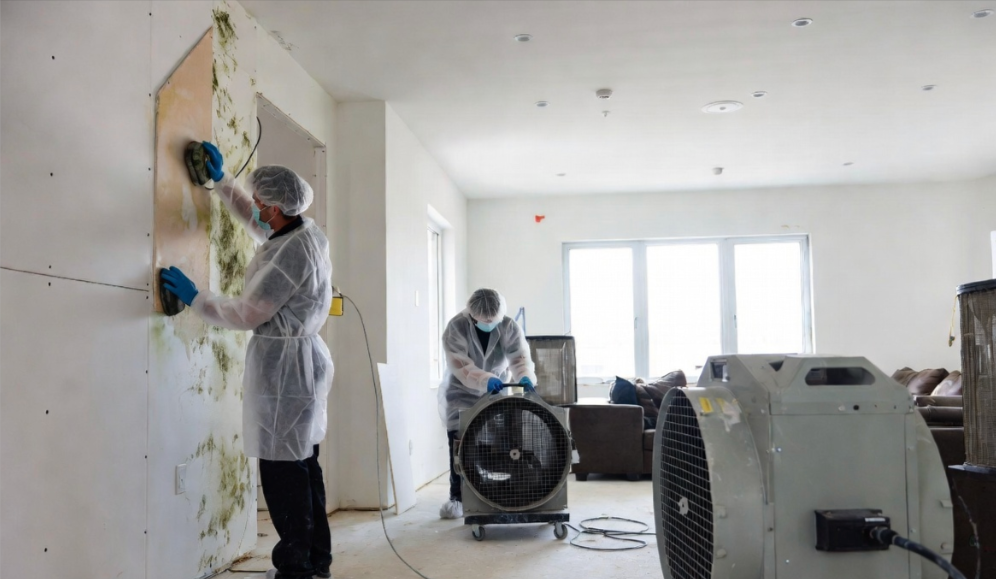
Mold can start growing within 24-48 hours of water damage, posing health risks and causing structural damage to your property. Utah Flood Guys employ proven mold removal techniques to safely and effectively eliminate mold spores and prevent future growth. Our team conducts thorough inspections, removes mold-infested materials, and treats the area with antimicrobial solutions to ensure a clean and mold-free environment.
6. Fire Damage Restoration
Fire damage can be devastating, leaving behind structural damage, smoke odors, and soot residue. Utah Flood Guys specialize in fire damage restoration, including debris removal, smoke and odor elimination, and rebuilding damaged areas. Our team works tirelessly to restore your property to its pre-fire condition, providing you with peace of mind during a challenging time.
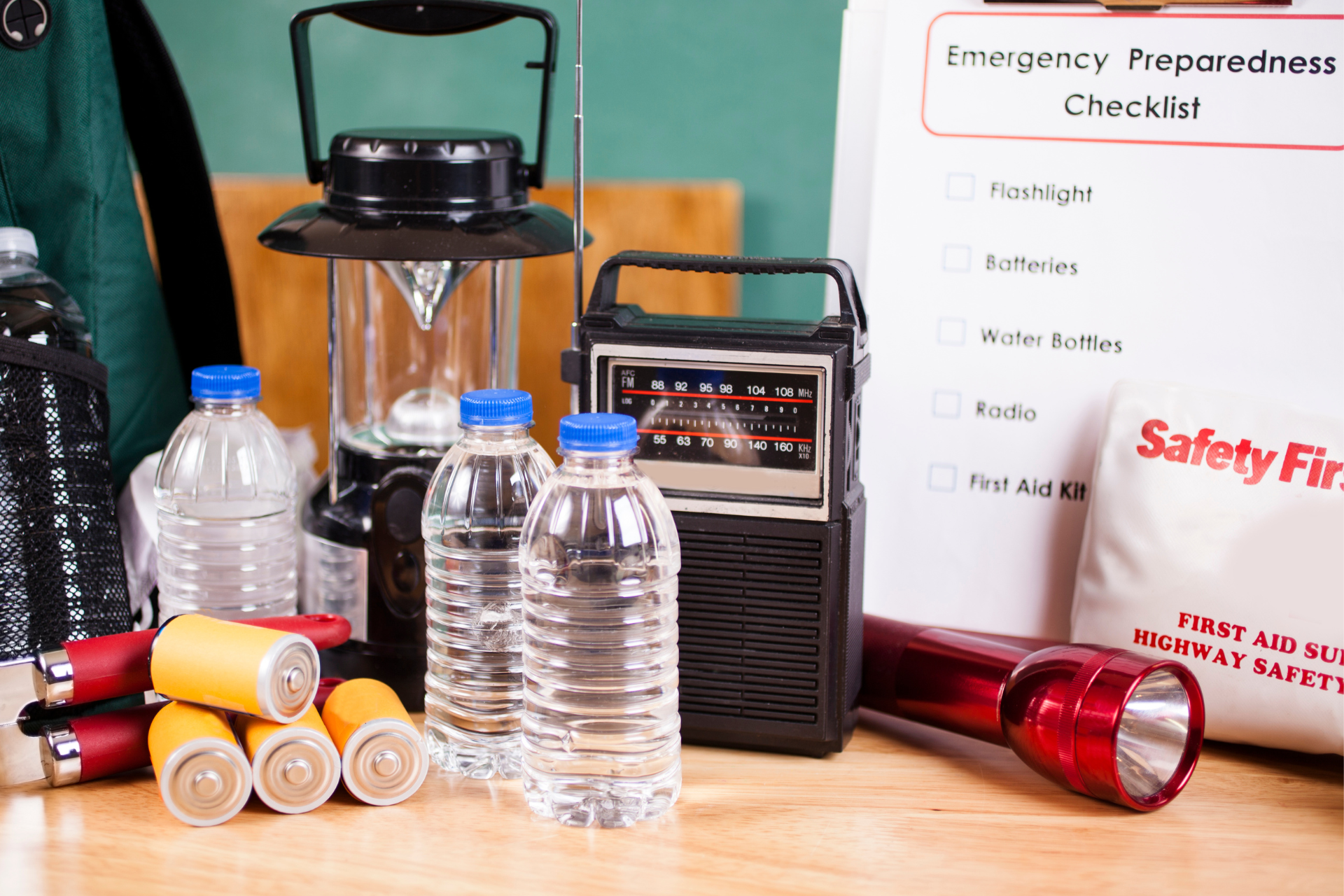
Disasters can strike at any time, but being prepared and knowing what to do can make all the difference in the outcome. Utah Flood Guys are here to support you through every step of the disaster cleanup process, ensuring a swift and thorough restoration of your property. Remember, in times of crisis, you can count on Utah Flood Guys to be your trusted partners in disaster recovery. Stay safe, stay prepared, and know that help is just a phone call away.
You might also like
Utah Flood Guys Blog