The Psychological Impact of Fire Damage and How to Cope
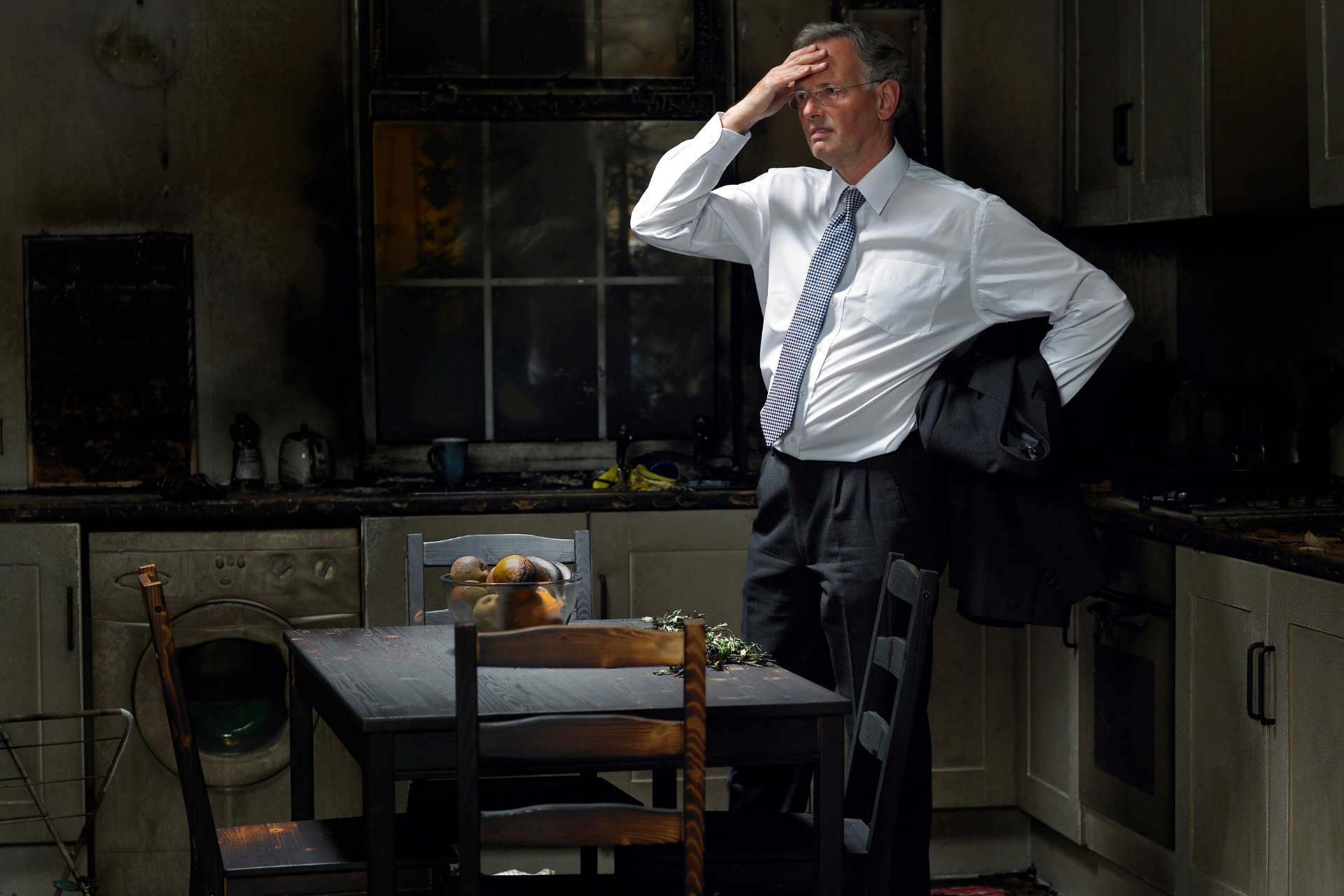
Experiencing fire damage can be an overwhelming and traumatic ordeal. Whether you’re a homeowner or a business owner, the aftermath of a fire often leaves more than just physical destruction. It can deeply affect mental health, leading to stress, anxiety, and even post-traumatic stress disorder (PTSD). At Utah Flood Guys, we understand the emotional toll that fire damage can take, and we’re here to offer support and guidance on how to cope in these challenging times.
Understanding the Emotional Fallout
When a fire strikes, it’s not just the loss of property that creates emotional distress. The sense of safety and security that we associate with our homes is shattered. Many individuals experience feelings of loss, grief, and despair. It’s common to feel a range of emotions, from anger and guilt to sadness and confusion. Some may even experience survivor’s guilt if they feel they could have done something to prevent the disaster.
Moreover, the stress doesn’t simply vanish once the flames are extinguished. The process of dealing with insurance claims, finding temporary housing, and navigating the cleanup can be daunting and anxiety-inducing. For business owners, the impact on employees and the interruption of daily operations adds another layer of stress.
Seeking Help: The Importance of Support
During such trying times, it’s essential to recognize the importance of support. Whether it’s from friends, family, or professionals, talking about your experiences can help alleviate some emotional burdens. Don’t hesitate to reach out to mental health professionals who specialize in trauma. They can provide coping strategies and help you process your emotions.
Support groups, both in-person and online, can also be invaluable. Sharing your experience with others who have faced similar situations can help normalize what you are feeling and provide comfort. Remember—you are not alone in this journey.
Practical Steps for Coping
1. Prioritize Self-Care
In the aftermath of a fire, it’s easy to neglect your own needs. Ensure you’re eating well, getting enough sleep, and finding time for physical activity. These basic self-care practices can have a significant impact on your mental well-being.
2. Establish a Routine
Chaos often follows a disaster. Creating a daily routine can give you a sense of normalcy and control amid the uncertainty. Even small tasks can boost your mood and sense of accomplishment.
3. Engage in Stress-Relief Activities
Finding activities that help you unwind and relieve stress is crucial. This might include things like journaling, painting, or practicing mindfulness through meditation or yoga. Explore what works for you.
4. Connect with the Community
Many local organizations offer resources for disaster recovery. Engaging with community support can provide access to additional services and emotional backing.
5. Allow Yourself to Grieve
Healing is not linear. It’s important to acknowledge and allow yourself to feel grief for what has been lost—be it your belongings, memories, or peace of mind. Validating your feelings is a vital part of the recovery process.
Moving Forward
At Utah Flood Guys, we recognize that the journey to recovery involves more than just cleanup and restoration. We’re committed to assisting you not only with the physical aspects of recovery but also with the emotional impacts of fire damage. By taking active steps towards coping with your situation and seeking the right support, you can begin to heal and rebuild your life after the devastation of fire damage. Remember, recovery is a process, and you don’t have to navigate it alone.
You might also like
Utah Flood Guys Blog