How to Handle Water Damage in Your Basement: A Comprehensive Guide
When it comes to home maintenance, one of the most daunting challenges homeowners face is water damage, especially in the basement. Whether caused by a sudden flood, a plumbing mishap, or prolonged humidity, the implications of water damage can be severe. At Utah Flood Guys, we understand the impact it can have on your property and your peace of mind. In this guide, we’ll walk you through practical steps to handle water damage in your basement effectively.
Assess the Situation
The first step is to assess the situation. How much water is in your basement? Is it a small puddle, or are you dealing with several inches of standing water? If it’s safe, turn off the electricity in your basement to prevent any electrical hazards. This is critically important—don’t take any unnecessary risks! Look for the source of the water intrusion as well. Understanding whether it’s from a broken pipe, groundwater, or another source can help you determine the right course of action.
Prioritize Safety
Your safety is paramount. Put on protective gear, including rubber boots and gloves, to prevent any contact with contaminated water. If the amount of water is significant, or if you suspect it may contain harmful substances, it’s best to contact a professional immediately. At Utah Flood Guys, we specialize in disaster cleanup and can ensure that the process is safe and efficient.
Remove the Water
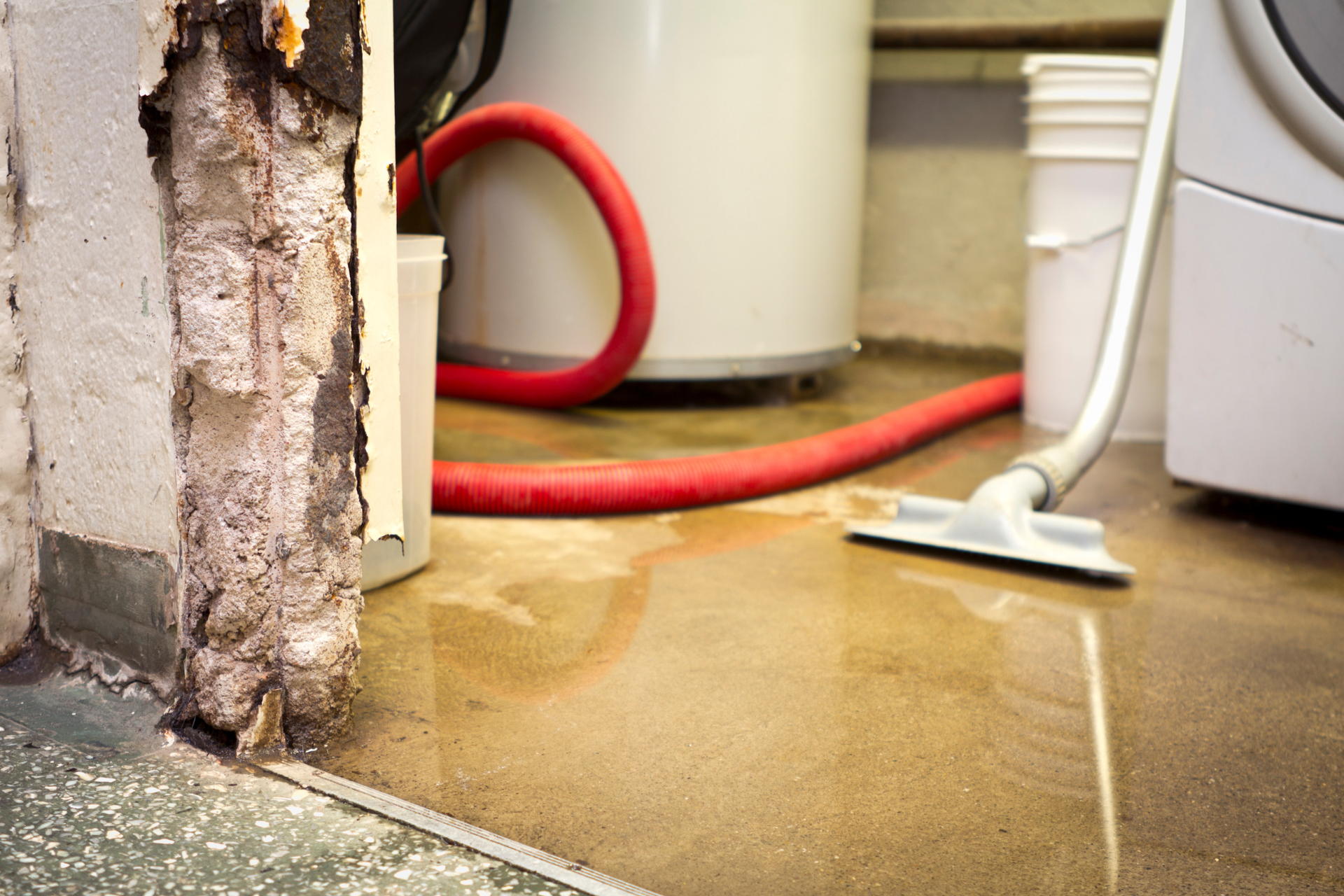
If it’s manageable and safe, you can begin the process of removing the water. Use a wet/dry vacuum or a pump if the water is deep enough. Make sure to keep the area well-ventilated by opening windows or using fans. If you’re dealing with a small amount of water, towels and mops can be sufficient for drying the area. Keep in mind that the quicker you act, the less chance there is for mold growth.
Dry the Area Thoroughly
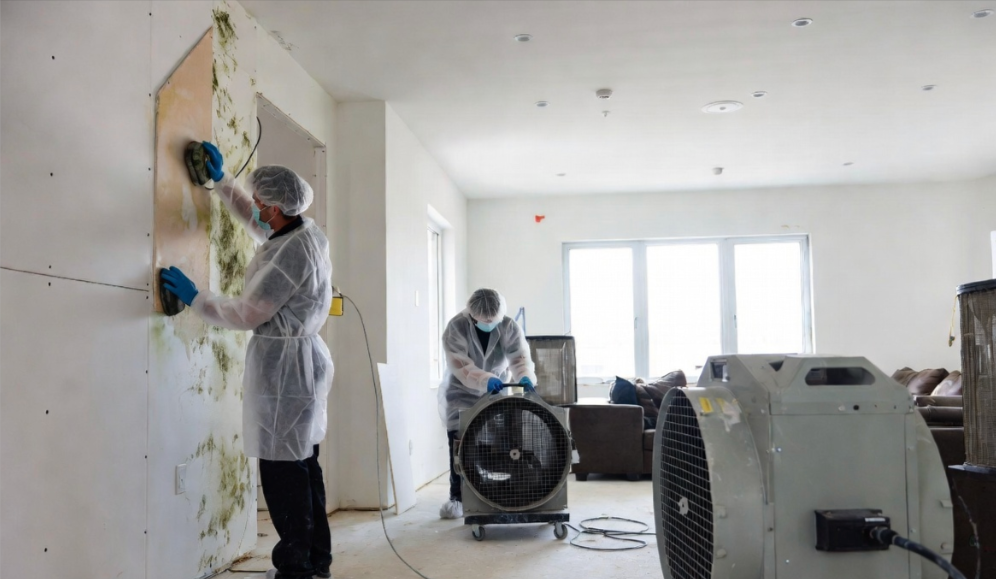
After removing the water, it’s crucial to dry the area as thoroughly as possible. Use dehumidifiers and fans to circulate air, and consider using moisture meters to track levels in the walls and floors. Pay close attention to corners and crevices where moisture may remain trapped. Even after the visible water is gone, the lingering dampness can lead to mold growth.
Inspect for Damage
Once the area is dry, inspect the basement for any water damage indications. Look for warped flooring, stained walls, and any signs of mold. Mold can begin to grow within 24-48 hours of water exposure, so it’s important not to skip this step. If you come across significant damage or mold growth, this is another point where professional help may be necessary.
Take Preventative Measures
Finally, after you’ve addressed the immediate effects of the water damage, consider preventive measures for the future. This could involve fixing any structural issues that led to the flooding, ensuring proper drainage around your home, and even waterproofing your basement. Regular maintenance can save you a headache down the line.
While dealing with water damage can be overwhelming, knowing how to handle the situation can make it a little easier. Should you find yourself in a tough spot, remember that Utah Flood Guys are just a call away. We’re here to assist you with comprehensive water damage restoration, helping you reclaim your space safely and efficiently. Don’t hesitate to reach out!
You might also like
Utah Flood Guys Blog