DIY Mold Removal: When It’s Safe and When to Call a Professional
Mold is a word that can send shivers down anyone's spine, especially if you've recently experienced water damage in your home or business. At Utah Flood Guys, we understand how overwhelming a mold situation can be. The good news? Not all mold problems require a professional intervention! Here’s a conversational guide to help you navigate the world of DIY mold removal and know when it’s time to bring in the pros.
Understanding Mold: What You’re Up Against
First off, let’s get to know our little foe—mold. Mold thrives in damp, humid environments, making areas that have experienced water damage a prime target. It can grow on various surfaces, including wood, drywall, and even fabric, turning your cozy retreat into a musty nightmare if left unchecked.
While there are hundreds of species of mold, not all are toxic. That said, mold exposure can lead to various health issues, so it's essential to address the situation promptly.
When It’s Safe to Tackle Mold Yourself
If you're looking at a small area of mold—think less than 10 square feet—and it doesn’t seem to be a recurring issue, you may be in the clear to tackle it yourself. Here’s a handy checklist to get you started:
1. Ensure Safety First
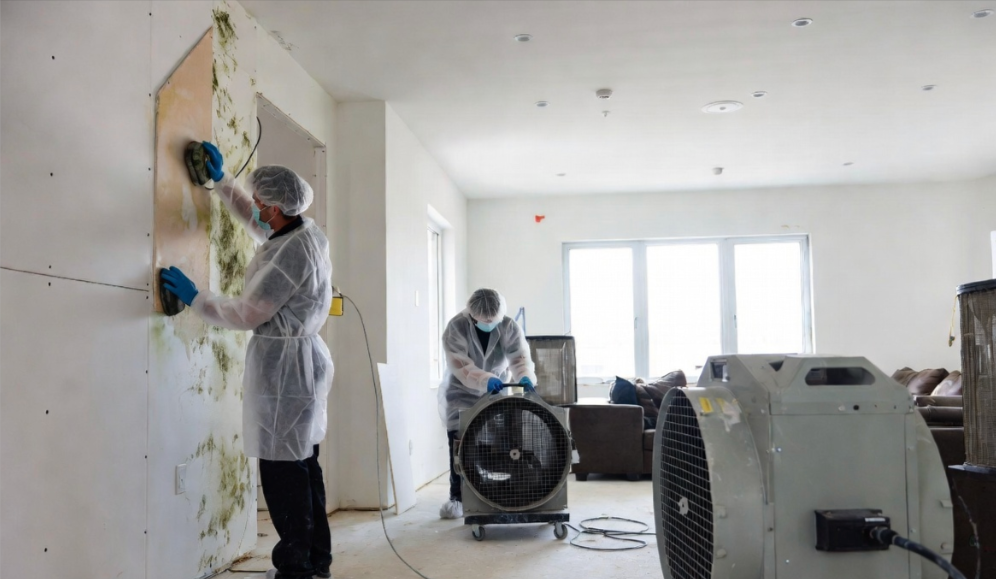
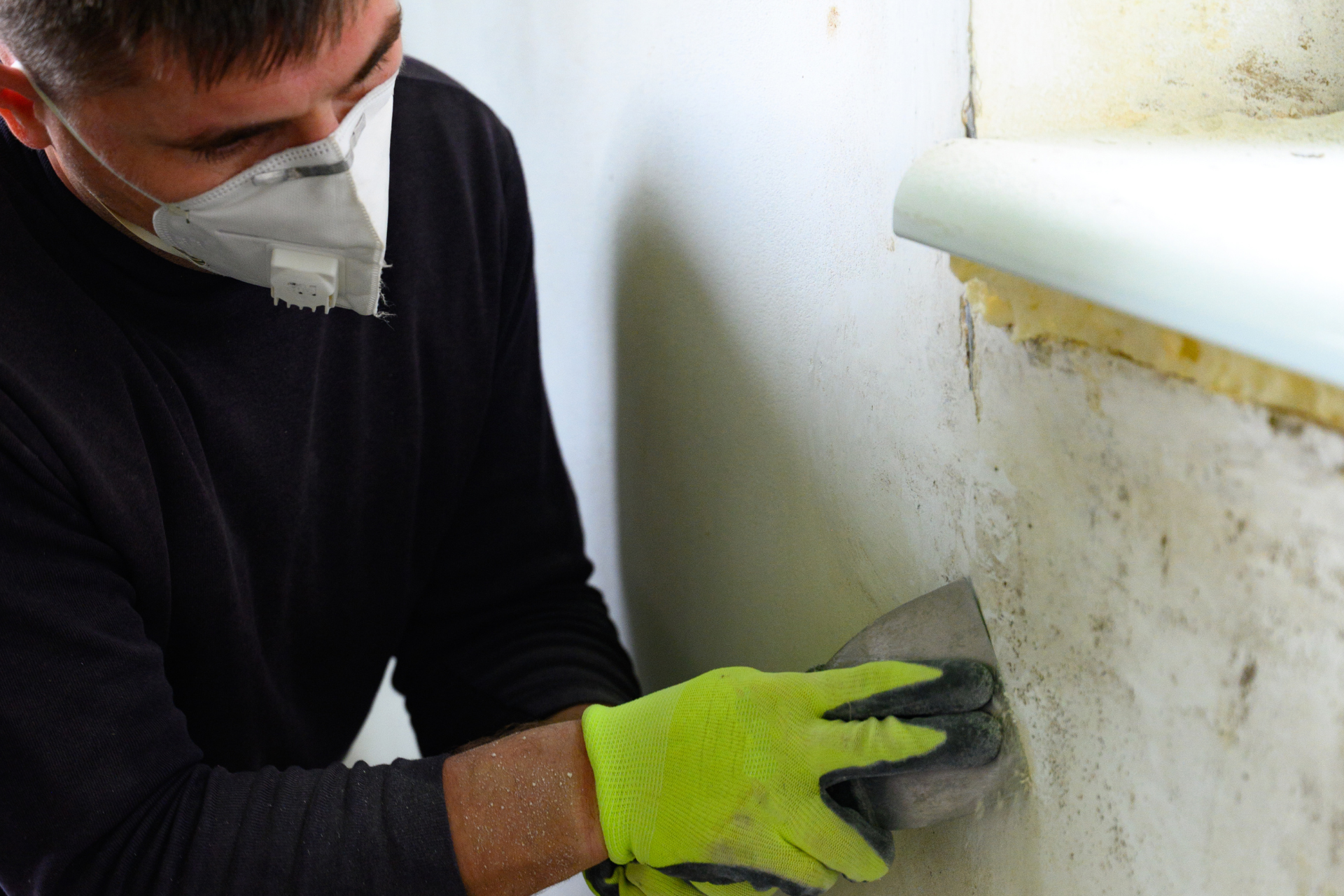
Wear protective gear, including gloves, goggles, and an N95 respirator mask. Safety first, right?
2. Identify the Source
Before you start cleaning, fix any leaks or moisture issues that led to the mold growth. Otherwise, you’re just setting yourself up for a repeat performance.
3. Choose Your Cleaning Agent
You can use mixtures of vinegar, baking soda, or a commercial mold remover. Scrub the affected area with a brush and be sure to ventilate the space thoroughly.
4. Dispose of Affected Materials
If mold has penetrated porous materials like carpets or drywall, it’s best to dispose of these items rather than trying to salvage them.
5. Dry the Area
After cleaning, make sure the area dries completely to prevent further mold growth.
If you follow these steps and take your health seriously, you might be able to eliminate small, manageable mold issues successfully.
When to Call in the Professionals
However, not all mold issues can be resolved with a little elbow grease. Here’s when you should pick up the phone and call Utah Flood Guys:
1. Larger Areas
If the mold covers more than 10 square feet, it's time to call in the experts. This usually indicates a more significant underlying issue that’s not just skin-deep.
2. Persistent Mold
If you clean an area, but the mold keeps returning, it’s a sign that there’s a hidden leak or moisture problem that needs to be addressed.
3. Toxic Mold Concerns
If you suspect the presence of toxic molds, such as black mold, don’t hesitate to contact professionals. These types of molds can pose serious health risks and require specialized removal techniques.
4. Health Issues
If you or anyone in your household suffers from respiratory issues, allergies, or other health problems, it’s best to avoid the DIY route altogether.
Mold may seem like a daunting challenge, but knowing when to take action and when to seek help can make all the difference. At Utah Flood Guys, we're here to provide the expert assistance you need when it comes to mold removal, ensuring your home or business is safe and welcoming once again. Stay dry, stay safe, and remember—we've got your back when the going gets tough!
You might also like
Utah Flood Guys Blog