The Connection Between Mold and Allergies: What You Should Know
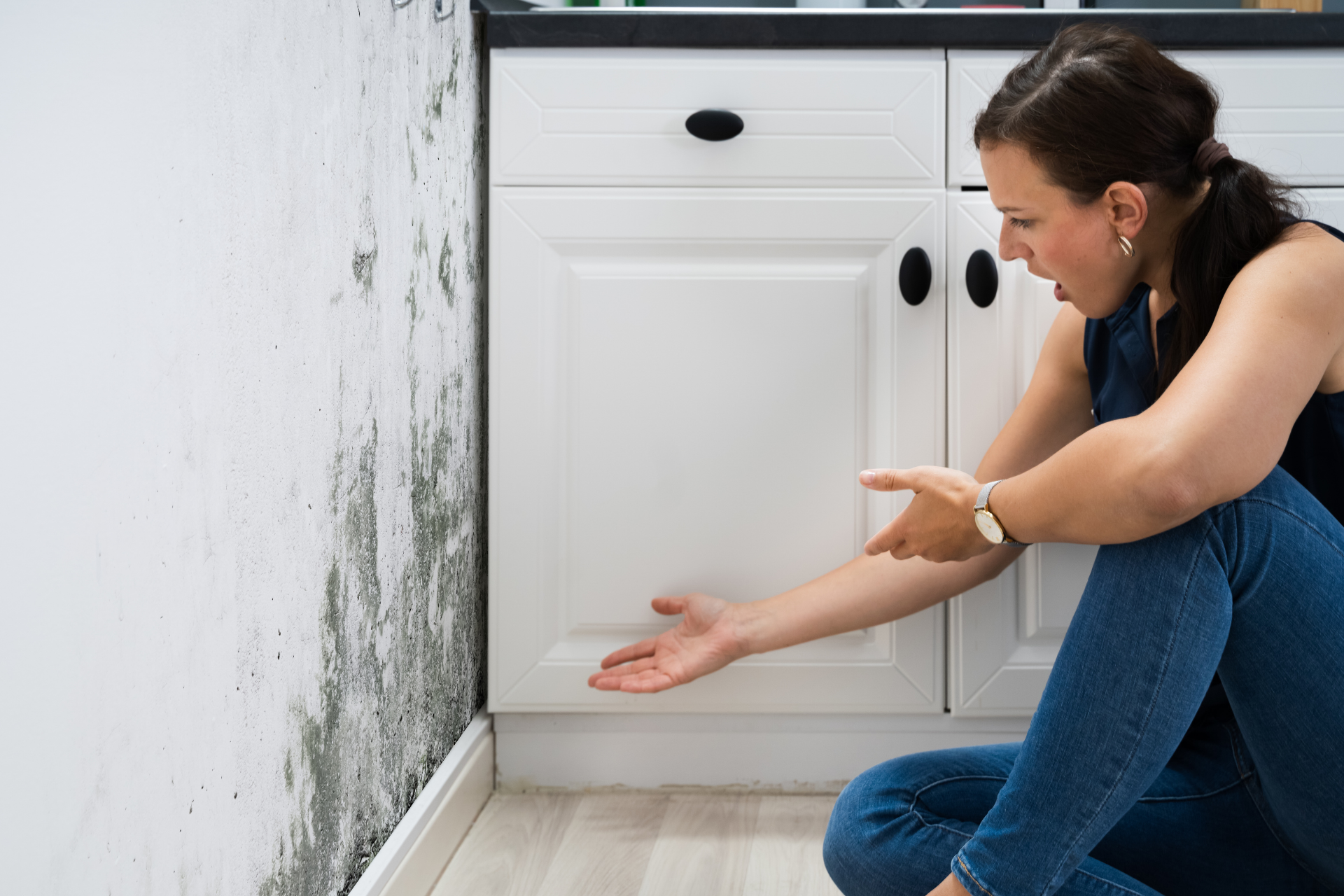
If you’ve ever experienced allergies that seem to worsen indoors or if you’ve noticed a musty smell in your home, mold could be the culprit. Mold is a common issue that can have a significant impact on your health, especially if you are prone to allergies. At Utah Flood Guys, we understand the importance of addressing mold problems promptly to protect your well-being. In this blog post, we’ll explore the connection between mold and allergies, and what you should know to keep your indoor environment safe and healthy.
What is Mold?
Mold is a type of fungus that thrives in damp, dark, and humid environments. It reproduces by releasing tiny spores into the air, which can easily spread and land on surfaces to grow new mold colonies. Mold can be found both indoors and outdoors, and it plays a vital role in breaking down organic matter. While mold is essential for the ecosystem, it can pose serious health risks when it grows indoors.
How Does Mold Impact Allergies?
For individuals with allergies, exposure to mold spores can trigger a range of symptoms. When mold spores are inhaled, they can irritate the nasal passages, throat, and lungs, leading to allergic reactions. Common symptoms of mold allergies include sneezing, coughing, wheezing, itchy eyes, and a runny nose. In more severe cases, mold exposure can exacerbate asthma symptoms or lead to respiratory issues.
Risk Factors for Mold Allergies
Some people are more sensitive to mold than others, increasing their risk of developing mold allergies. Factors that can contribute to mold allergies include:
- Having a weakened immune system
- A history of respiratory allergies
- Living in a damp or poorly ventilated environment
- Spending time in areas with high mold concentrations
Individuals with pre-existing conditions such as asthma or chronic respiratory illnesses are particularly vulnerable to the effects of mold on their health. Additionally, children, the elderly, and individuals with compromised immune systems are at a higher risk of experiencing severe allergic reactions to mold.
Preventing Mold Allergies: Tips for a Healthy Indoor Environment
To reduce the risk of mold allergies and protect your health, follow these tips for maintaining a healthy indoor environment:
1. Control Humidity Levels
Keep indoor humidity levels below 60% to prevent mold growth. Use dehumidifiers in damp areas such as basements and bathrooms.
2. Fix Leaks and Water Damage
Promptly repair any leaks or water damage in your home to prevent mold from thriving in moist environments.
3. Ventilate Properly
Ensure adequate ventilation in your home to promote air circulation and prevent moisture buildup.
4. Regular Cleaning
Clean and dust your home regularly to remove mold spores and other allergens from surfaces.
5. Professional Mold Removal
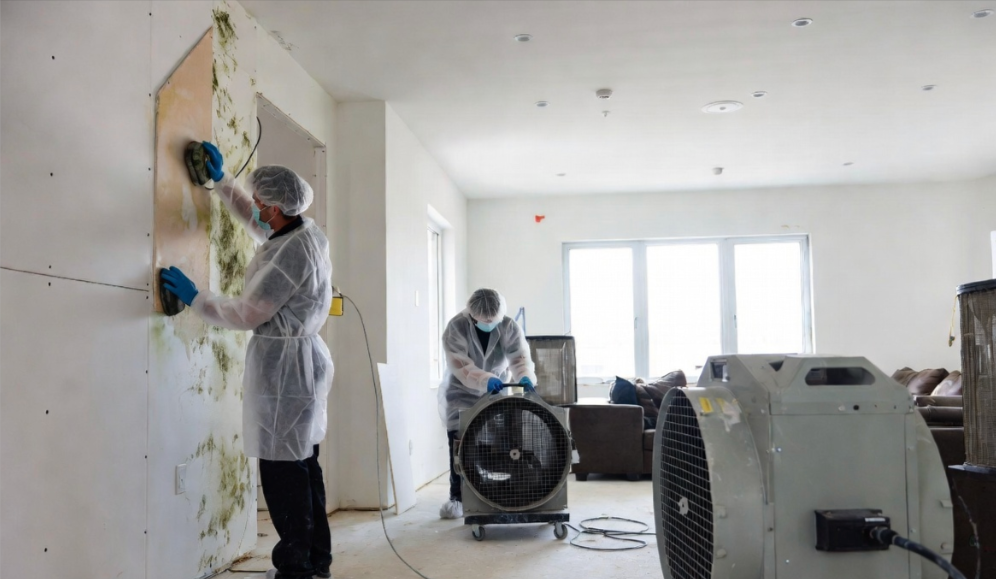
If you suspect mold growth in your home, contact a professional mold removal service like Utah Flood Guys to assess and address the issue effectively.
By taking proactive measures to prevent mold growth and minimize exposure to mold spores, you can create a healthier indoor environment for you and your family.
Conclusion
Understanding the connection between mold and allergies is crucial for maintaining a healthy living environment. Mold can exacerbate allergies and respiratory issues, making it essential to address mold problems promptly and effectively. If you suspect mold growth in your home or have concerns about mold allergies, contact Utah Flood Guys for professional mold removal services. Protect your health and well-being by staying informed about mold prevention and taking proactive steps to keep your indoor environment mold-free.
You might also like
Utah Flood Guys Blog