Restoring Personal Belongings After Fire Damage
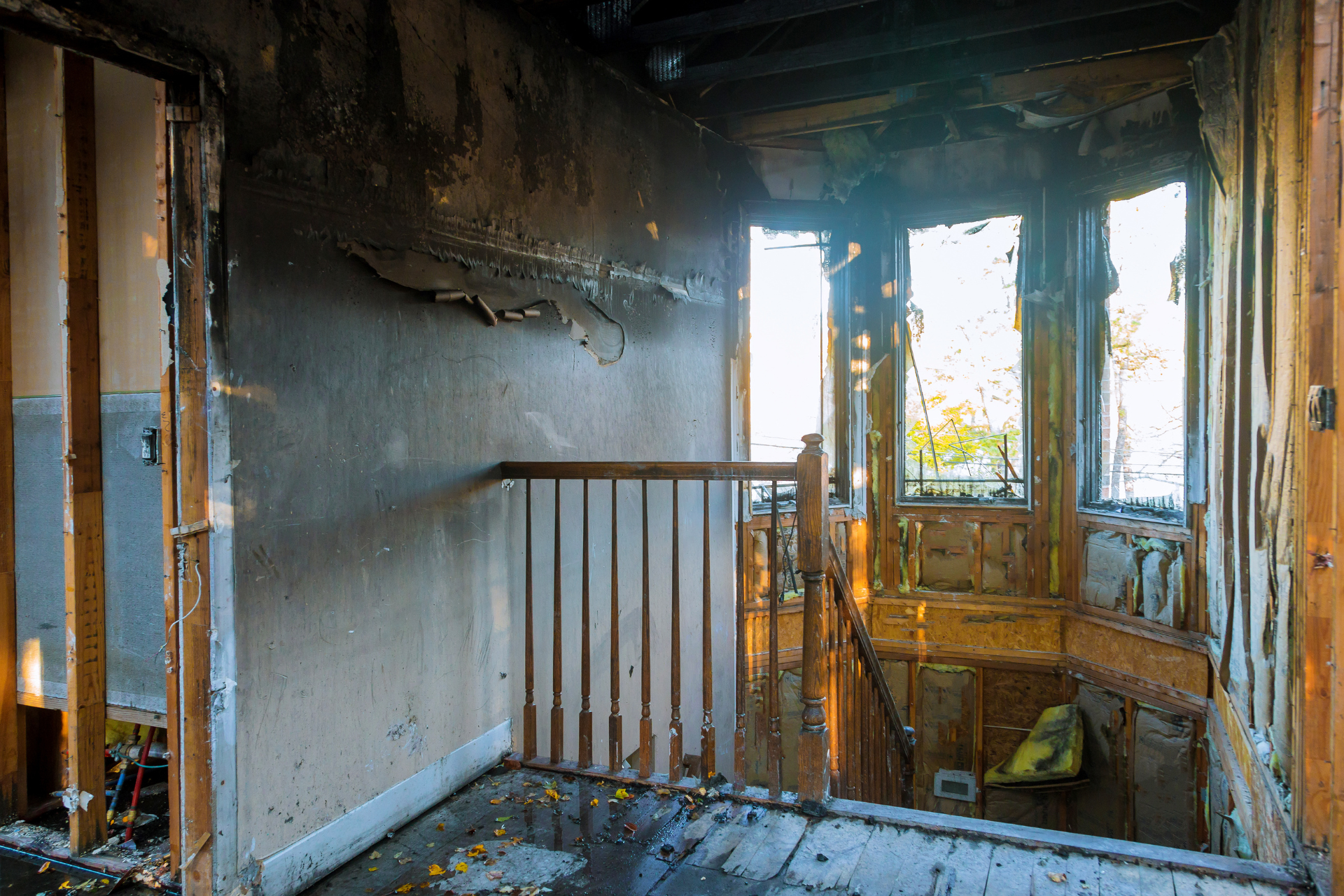
Have you experienced a fire in your home or business recently? The aftermath of a fire can be devastating, leaving behind a trail of destruction and loss. Not only does fire damage affect the structure of your property, but it can also impact your personal belongings and cherished possessions. At Utah Flood Guys, we understand the emotional toll that a fire can take, which is why we offer comprehensive fire damage restoration services to help you get back on your feet.
When it comes to restoring personal belongings after fire damage, there are a few key steps to keep in mind. First and foremost, safety should always be the top priority. Before attempting to salvage any items, make sure that the property has been deemed safe for entry by a professional. Once you have the green light to enter the premises, here are some tips on how to begin the restoration process.
Assessing the Damage
The first step in restoring personal belongings after a fire is to assess the extent of the damage. It's important to categorize items based on their condition – salvageable, non-salvageable, and questionable. Items that are salvageable may require cleaning and restoration, while those that are non-salvageable may need to be disposed of. For items in question, consult with a restoration expert for guidance on whether they can be saved.
Cleaning and Decontamination
Smoke and soot can leave a residue on your personal belongings, causing further damage if not properly cleaned. Depending on the material and level of damage, different cleaning methods may be required. For delicate or sentimental items, it's best to leave the cleaning to professionals who have the necessary expertise and equipment to restore them safely.
Odor Removal
One of the most challenging aspects of fire damage restoration is dealing with lingering smoke odors. Smoke particles can penetrate deep into fabrics and materials, making it difficult to eliminate the smell. Professional restoration companies have access to specialized equipment and techniques to effectively deodorize your personal belongings and restore them to their pre-loss condition.
Documenting and Inventory
Throughout the restoration process, it's essential to document and inventory all personal belongings that have been affected by the fire. This will not only help you keep track of your items but also streamline the insurance claims process. Take photographs, make lists, and keep detailed records of the restoration work that has been done to each item.
Consulting with Professionals
Restoring personal belongings after fire damage can be a daunting task, especially when dealing with sentimental or irreplaceable items. By working with a professional restoration company like Utah Flood Guys, you can rest assured that your belongings are in good hands. Our team of experts is trained to handle all types of fire damage and will work diligently to restore your cherished possessions with care and attention to detail.
Conclusion
Facing fire damage is a distressing experience, but with the right support and resources, you can recover from the devastation. Restoring personal belongings after a fire requires a combination of expertise, patience, and dedication. At Utah Flood Guys, we are committed to helping you through the restoration process and restoring your peace of mind. Contact us today to learn more about our fire damage restoration services and how we can help you get back on your feet.
You might also like
Utah Flood Guys Blog