How to Protect Your Basement from Flooding
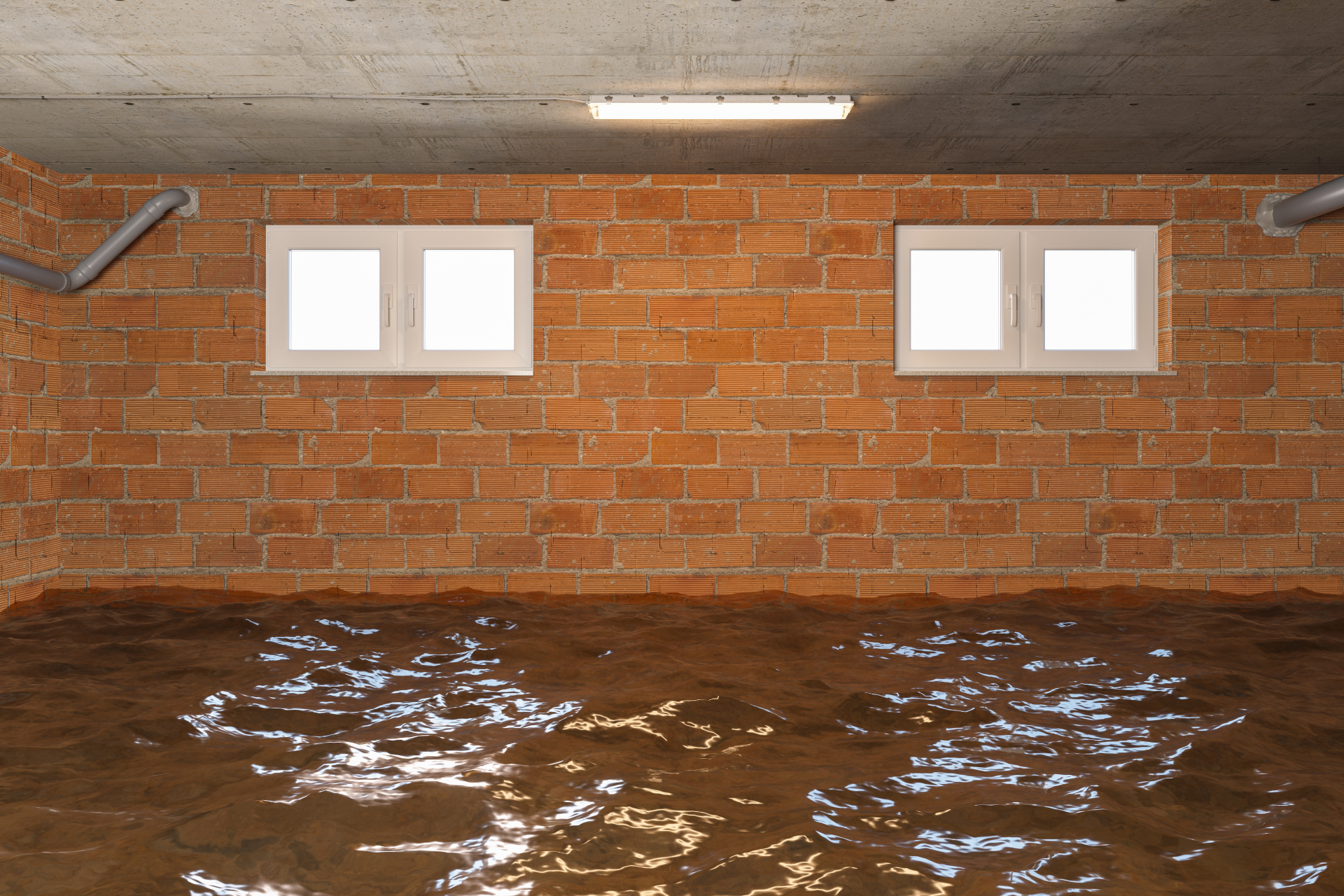
Basement flooding can be a homeowner's worst nightmare. Not only can it cause significant damage to your property, but it can also lead to mold growth and potential health hazards. At Utah Flood Guys, we understand the importance of protecting your basement from flooding and the devastation it can cause. Here are some practical tips to help safeguard your basement from potential water damage.
1. Maintain Proper Drainage:
One of the key factors in preventing basement flooding is maintaining proper drainage around your home. Ensure that your gutters and downspouts are clear of debris and direct water away from your foundation. Installing downspout extensions can help carry water further away from your home, reducing the risk of water seeping into your basement.
2. Inspect and Repair Foundation Cracks:
Inspect your foundation for any cracks or gaps that could allow water to seep into your basement. Even small cracks can lead to significant water damage over time. Seal any cracks you find with waterproof sealant to prevent water intrusion.
3. Install a Sump Pump:
A sump pump is a valuable investment for protecting your basement against flooding. It is designed to remove excess water from your basement and pump it outside before it can cause any damage. Make sure your sump pump is in good working condition and has a battery backup in case of power outages.
4. Elevate Valuables:
If your basement is prone to flooding, consider elevating valuables and important items off the ground. Store items in waterproof containers or on shelves to keep them safe from potential water damage. This simple step can help minimize the impact of a flood on your belongings.
5. Landscape Carefully:
When landscaping around your home, be mindful of the slope of your yard. Ensure that the ground slopes away from your foundation to prevent water from pooling around your home. Planting trees and shrubs a safe distance from your foundation can also help prevent roots from causing damage to your basement walls.
6. Install Window Well Covers:
If your basement has windows that are below ground level, consider installing window well covers to prevent water from entering your basement through the window wells. These covers can also help keep debris, leaves, and pests out of your window wells, reducing the risk of clogs that could lead to water penetration.
7. Regular Maintenance:
Regular maintenance is key to protecting your basement from flooding. Inspect your basement for any signs of water damage or moisture regularly. Address any issues promptly before they escalate into bigger problems. Consider scheduling professional inspections and maintenance to ensure your basement is well-protected.
In Conclusion:
Protecting your basement from flooding requires proactive measures and regular maintenance. By following these tips and investing in proper safeguards, you can significantly reduce the risk of water damage to your basement. However, if disaster strikes and your basement experiences flooding, Utah Flood Guys is here to help. Our experienced team specializes in water damage restoration for residential and commercial properties. Don't hesitate to contact us for expert assistance in cleaning up and restoring your basement after a flood.
Remember, prevention is the best defense against basement flooding. Take the necessary steps to protect your basement today and enjoy peace of mind knowing your home is prepared for whatever Mother Nature throws your way. Stay safe and dry!
You might also like
Utah Flood Guys Blog