24-Hour Fire Damage Restoration | The Northern Utah Guide
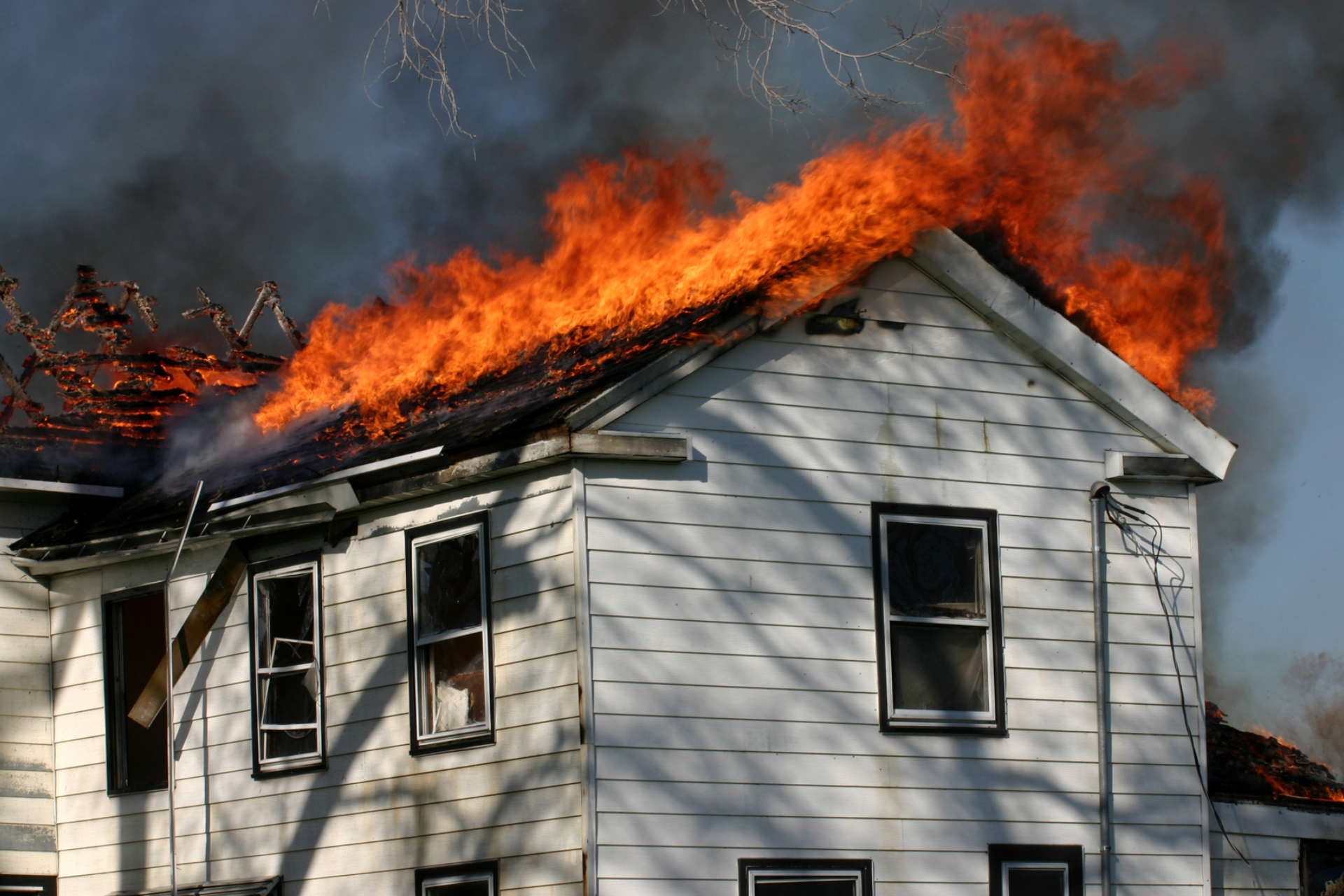
When flames tear through a home or business, the devastation is immediate and overwhelming. But here's what many property owners don't realize: the damage doesn't stop when firefighters pack up their hoses. Smoke continues penetrating deeper into walls, soot etches into surfaces, and water from fire suppression efforts creates its own set of problems. Across Northern Utah, homeowners face a critical window where getting professional help makes the difference between saving their property and losing it permanently.
Understanding what happens during emergency fire damage restoration takes away some of the mystery during an already stressful time. Knowing what to expect helps property owners make better decisions when everything feels chaotic.
The Initial Assessment
The first thing restoration professionals do is document everything. They walk through with cameras, moisture meters, and detailed checklists, recording every affected area. This documentation becomes crucial for insurance claims later. The inspection goes way beyond the obviously burned areas, too—smoke travels through heating vents, electrical conduits, and wall cavities, contaminating rooms that look completely untouched.
Identifying Smoke Types
Not all smoke damage is the same, and that matters more than most people think. Wet smoke from slow-burning, smoldering fires creates thick, sticky residues that need completely different cleaning methods than the dry, powdery soot from fast, hot fires. Kitchen fires leave behind protein residues that require their own specialized treatment. Getting this identification right determines whether cleaning actually works or just smears the problem around.
Checking Structural Safety
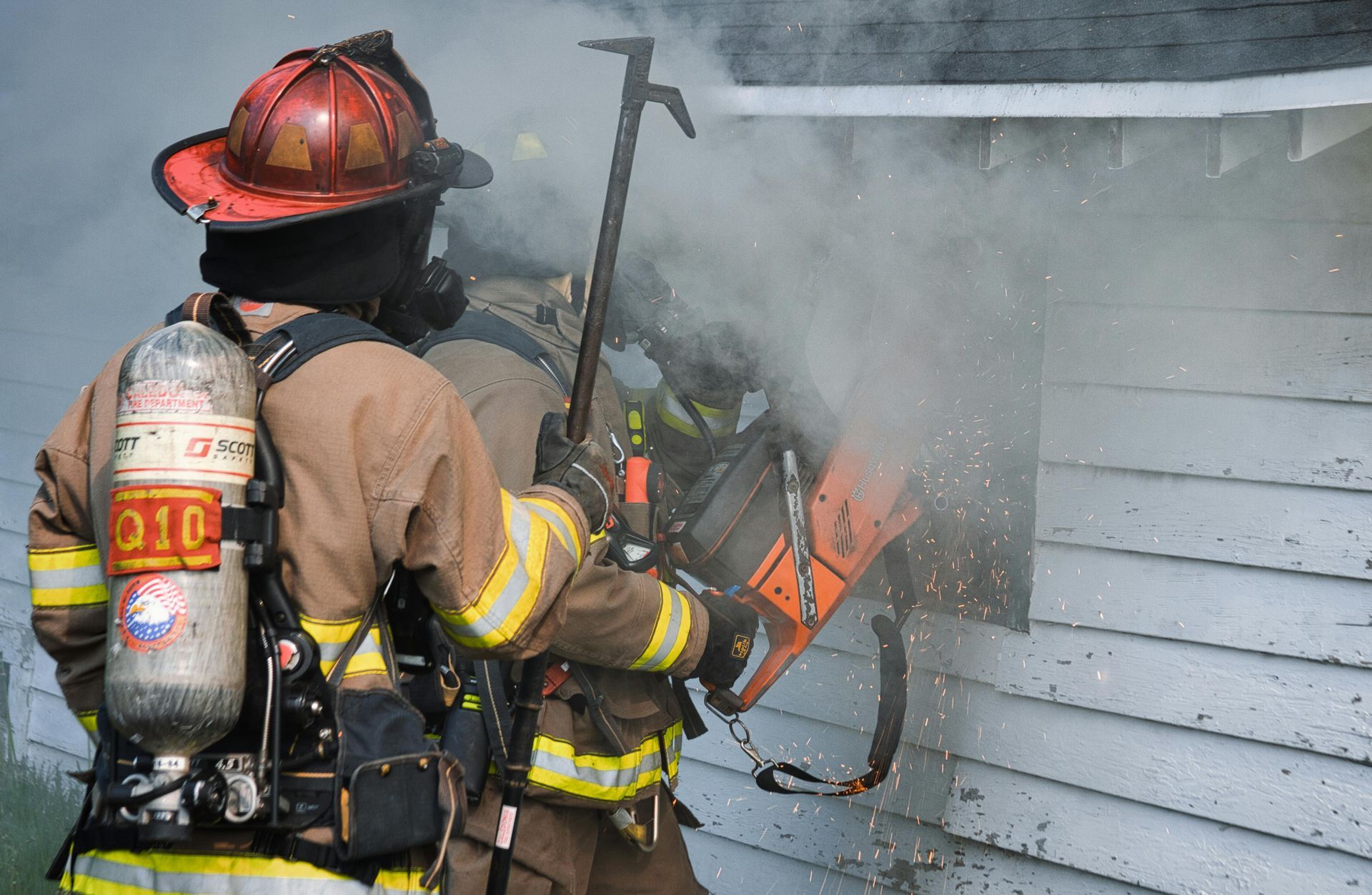
While all this assessment is happening, someone needs to make sure the building is actually safe to work in. Fire weakens structural components in ways that aren't always obvious. Wooden beams lose strength from heat exposure even when they don't look charred. Extreme temperatures can compromise steel supports and damage concrete foundations. Seriously damaged structures might need an engineer's evaluation before any restoration work begins.
Sorting Through Belongings
One of the first priorities involves separating what can be saved from what's lost. Professional teams catalog belongings, removing salvageable items to climate-controlled facilities for specialized cleaning. Getting these items out quickly prevents them from absorbing more smoke and soot. Electronics, documents, photographs, and family heirlooms get priority treatment since they often need techniques beyond standard cleaning methods.
How Fire Damage Restoration Actually Works
Step One: Dealing With Water First
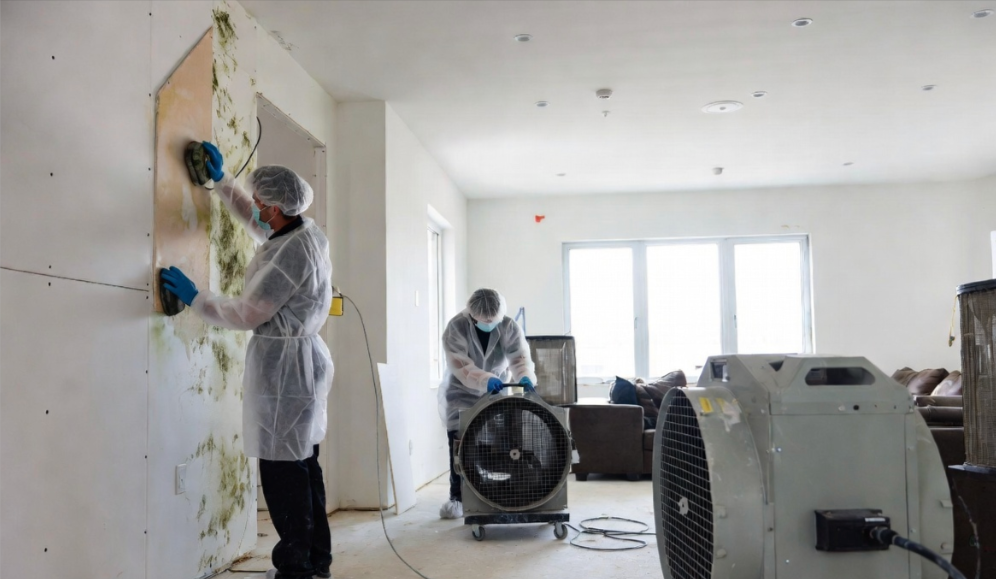
Here's something that surprises almost everyone: water removal comes before fire cleanup. Firefighters typically dump hundreds or thousands of gallons into structures, leaving standing water in basements and soaked materials throughout the building. Commercial extractors pull out the bulk water while industrial dehumidifiers start drawing moisture from walls, floors, and furniture.
This water damage restoration phase can't be skipped. Mold starts growing in as little as 24-48 hours, especially in Northern Utah where humidity levels and temperatures create favorable conditions during certain seasons. Getting structures dried out quickly prevents a whole new category of problems.
Step Two: Removing Soot and Smoke
Cleaning away soot and smoke follows carefully developed protocols. Technicians work from ceiling to floor, which prevents clean surfaces from getting re-contaminated. They use HEPA vacuums that capture tiny soot particles without blowing them around the room, and chemical sponges that lift residue through gentle abrasion rather than spreading it.
Different surfaces need different approaches. What works perfectly on painted drywall might permanently damage natural wood or stone. That's where experience and training really matter.
Step Three: Deep Cleaning and Deodorization
Surface cleaning only addresses part of the problem. Smoke particles are incredibly small—measured in microns—which means they penetrate deep into fabrics, insulation, and porous building materials. Just wiping down walls doesn't touch these embedded particles.
Thermal fogging releases deodorizing agents that penetrate as deeply as the smoke itself, neutralizing odors at a molecular level instead of just covering them up. For severe cases, restoration teams might use ozone treatments or hydroxyl generators. These require everyone to clear out during treatment, but they tackle odors that nothing else can eliminate.
Step Four: HVAC System Cleaning
Here's a step many people don't think about: cleaning the heating and cooling system. Ductwork basically acts as a highway for smoke particles throughout the entire structure. Soot gets deposited in rooms that fire never touched. Professional duct cleaning removes these particles and replaces contaminated filters, preventing the HVAC system from spreading smoke residue every time it kicks on.
Skipping this step means smoke odors come back whenever the heat or air conditioning runs. That's a frustrating discovery to make after everything else has been cleaned.
Finding the Right Help: Fire Damage Restoration Near You
Location Matters, But So Does Expertise
When searching for fire damage restoration near you, Northern Utah property owners need to think beyond just response time. Yes, getting someone on-site quickly matters, but specialized capabilities and certifications matter even more.
The Institute of Inspection, Cleaning and Restoration Certification (IICRC) sets the standards for fire and smoke restoration. Technicians with this certification have proven they understand proper assessment, cleaning, and restoration protocols. It's worth asking about certifications before hiring anyone.
The Local Advantage
Local restoration companies like Utah Flood Guys offer advantages beyond quick arrival. They understand Northern Utah's specific challenges—things like hard water complications and seasonal weather patterns that affect restoration work. Local teams have also built relationships with regional insurance adjusters, contractors, and specialty vendors, which helps complex projects move smoother.
Insurance Experience Counts
Working with insurance companies requires its own skill set. Restoration companies experienced in insurance claims know exactly what documentation carriers need, how to justify necessary services, and when to bring in additional experts like engineers or industrial hygienists. This experience accelerates claim processing and r
educes the stress property owners face.
The Equipment That Makes Restoration Possible
Finding Hidden Problems
Specialized technology solves problems human senses can't detect. Thermal imaging cameras identify moisture hiding in walls and heat signatures from materials still smoldering. Moisture meters provide objective data about drying progress, showing exactly when materials have reached safe levels for rebuilding.
Cleaning the Air
Air scrubbers with HEPA filters create negative air pressure that keeps smoke particles from spreading during cleanup. These machines process thousands of cubic feet of air every hour, capturing microscopic contaminants that would otherwise settle throughout the structure. Activated carbon filters absorb the volatile compounds responsible for persistent smoke odors, improving air quality immediately.
Advanced Deodorization
Hydroxyl generators represent newer technology that's safe even when people are in the building. Unlike ozone treatments that require evacuation, hydroxyl systems break down odor molecules through oxidation while remaining harmless to people, pets, and plants. This makes them valuable for businesses that need to reopen quickly or homes where temporary relocation creates hardship.
Powerful Water Removal
Truck-mounted extraction equipment removes water far more efficiently than portable units. When fire damage restoration overlaps with water damage restoration needs, high-powered vacuum systems can extract water from carpets, padding, and subflooring in minutes instead of hours. That dramatically reduces drying time and the risk of secondary damage.
How Long Will This Take?
It Depends on the Damage
Small fires with limited smoke spread might wrap up in days, while whole-structure fires requiring extensive rebuilding can take months. Damage severity is just the starting point—materials availability, weather conditions, and insurance processing speed all affect the timeline.
Emergency Services: Days to Weeks
Emergency services and initial cleaning typically take 3-7 days for moderate fires. This includes water extraction, debris removal, soot cleaning, and initial deodorization. Severe cases with extensive contamination might need 2-3 weeks before reconstruction can even start. Northern Utah's winter weather sometimes extends these timelines when conditions prevent outdoor work or slow down material deliveries.
Reconstruction: Weeks to Months
The rebuilding phase varies dramatically. Replacing drywall and repainting might take 1-2 weeks. Complete room rebuilds involving new framing, electrical work, and plumbing could extend 4-8 weeks or longer. Custom materials, permit requirements, and contractor schedules all influence how long reconstruction takes.
Content Restoration: Separate Timeline
Items removed for off-site cleaning follow their own schedule. Some belongings come back in a few weeks, while delicate restoration of documents, photographs, or artwork can require months. Restoration specialists coordinate returns with reconstruction completion to avoid re-contaminating cleaned items.
What This All Means for Northern Utah Property Owners
Fire damage restoration isn't something anyone plans for, but understanding the process makes an incredibly difficult situation slightly more manageable. That first 24-48 hour window after the fire gets put out is absolutely critical for salvaging structures and belongings. Getting professional help during that window—not days later—determines what can be saved.
Choosing the right restoration partner makes an enormous difference. Look for certifications, experience working with insurance companies, and access to professional-grade equipment. Companies like Utah Flood Guys handle both fire and water damage restoration, which matters because fires almost always create both types of damage across Northern Utah properties.
The restoration journey tests everyone's patience. Projects take longer than expected, insurance processes drag on, and living in temporary housing gets old fast. But professional teams guide property owners through each phase with clear updates and realistic expectations. Fire creates chaos and disruption, but systematic, science-based restoration eventually brings order back—to both damaged properties and disrupted lives.
You might also like
Utah Flood Guys Blog