Mold Removal in Utah: What to Expect During the Process
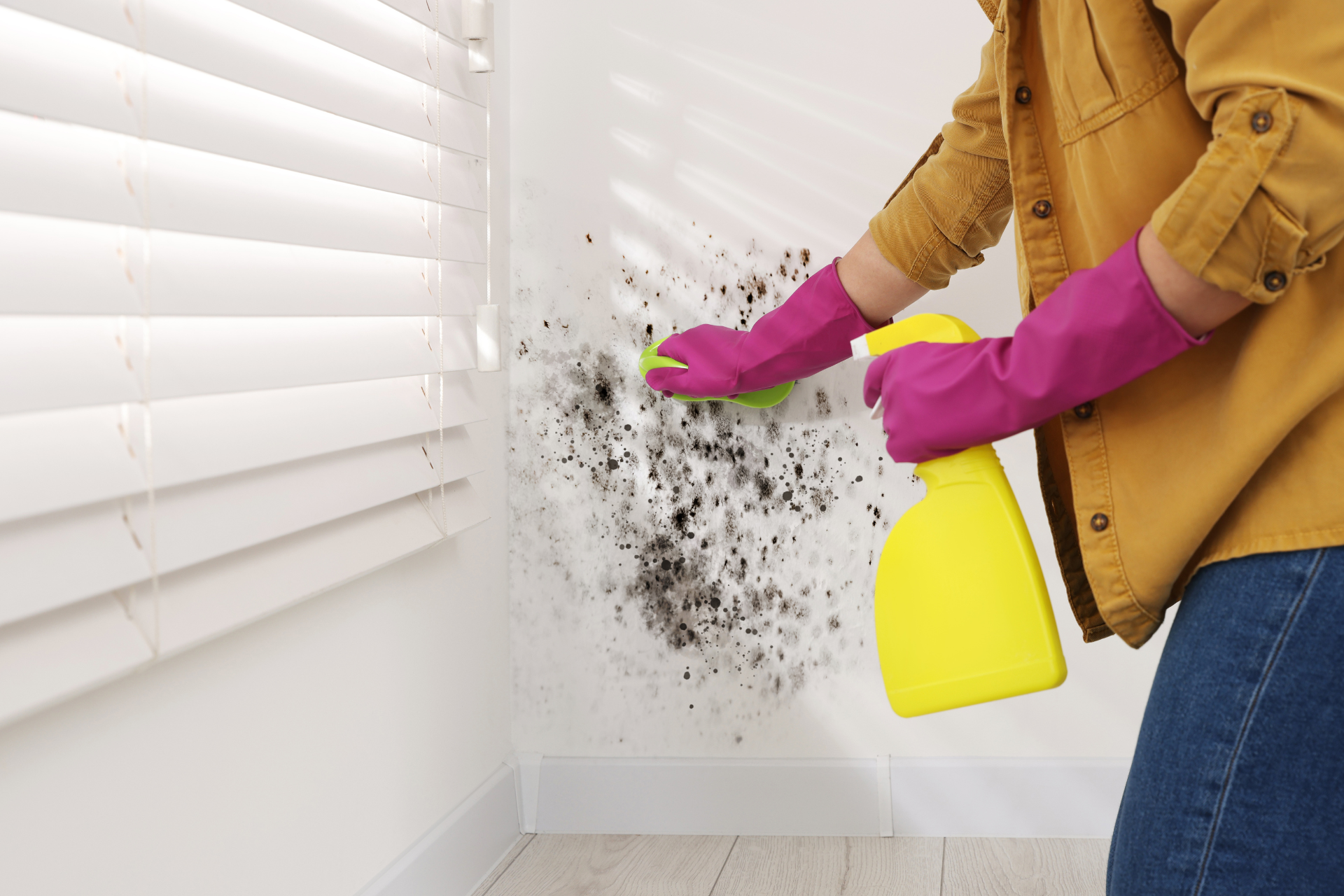
Are you dealing with a mold infestation in your Utah home or business? Mold growth can be a serious issue, impacting indoor air quality and posing health risks to occupants. When it comes to mold removal, it's important to understand the process and what to expect. In this blog post, we'll break down the steps involved in mold removal and what you can anticipate when working with Utah Flood Guys, your trusted restoration company in Utah.
Step 1: Inspection and Assessment
The first step in the mold removal process is a comprehensive inspection and assessment of the affected areas. Our team of certified mold remediation experts at Utah Flood Guys will conduct a thorough evaluation to determine the extent of the mold growth, identify the type of mold present, and assess any moisture issues that may be contributing to the problem. This initial assessment is crucial in developing a customized remediation plan tailored to your specific needs.
Step 2: Containment and Protection
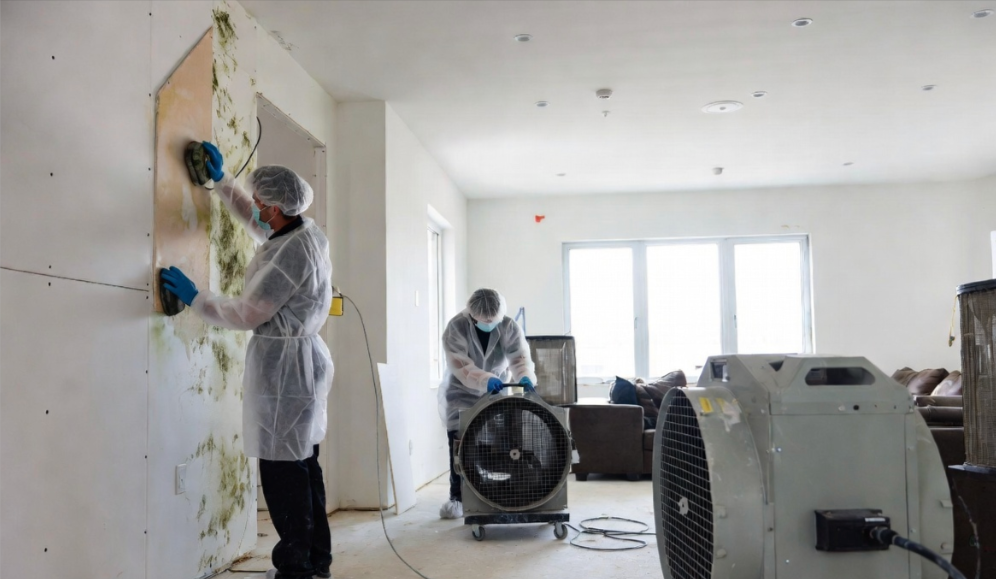
Once the inspection is complete, our team will establish containment measures to prevent the mold spores from spreading to unaffected areas of your property. We use specialized equipment such as negative air machines and barriers to create a controlled environment for the mold removal process. Our technicians will also wear personal protective equipment to ensure their safety and minimize exposure to mold spores during the remediation.
Step 3: Mold Removal and Remediation
With containment measures in place, the actual mold removal and remediation process can begin. Our skilled technicians at Utah Flood Guys utilize industry-leading techniques and equipment to safely and effectively remove mold infestations from your property. This may involve cleaning, scrubbing, or even removing and replacing contaminated materials such as drywall or insulation. Our goal is not only to eliminate visible mold growth but also to address the underlying moisture issues to prevent future mold problems.
Step 4: Cleaning and Sanitization
After the mold has been successfully removed, our team will perform a thorough cleaning and sanitization of the affected areas to ensure that all traces of mold and mold spores are eliminated. We use EPA-approved disinfectants and antimicrobial solutions to sanitize the surfaces and restore a healthy indoor environment for you and your family or employees.
Step 5: Post-Remediation Testing
Before declaring the mold removal process complete, we conduct post-remediation testing to verify that the mold contamination has been effectively eliminated. This includes air sampling and surface testing to confirm that the indoor environment is safe and free of mold spores. Our team will provide you with detailed reports and documentation to certify that your property has been successfully remediated.
Step 6: Prevention and Maintenance
Once the mold removal process is complete, our experts at Utah Flood Guys will work with you to develop a plan for preventing future mold growth in your home or business. This may involve identifying and addressing potential moisture sources, improving ventilation, or recommending regular maintenance and inspections to keep your property mold-free.
At Utah Flood Guys, we understand the importance of prompt and thorough mold removal to protect your property and the health of its occupants. With our experienced team of restoration specialists and state-of-the-art equipment, you can trust us to deliver reliable and effective mold remediation services in Utah. Don't let mold take over your space – contact Utah Flood Guys today for professional mold removal you can count on.
You might also like
Utah Flood Guys Blog