Fire Damage and HVAC Systems: Assessing and restoring HVAC systems after a fire.

You
Give me a list of 25 blog post ideas for a Utah restoration company that specializes in water and flood damage, mold removal, and fire damage services
Copilot
Certainly! Here are 25 blog post ideas for your Utah restoration company that focuses on water and flood damage, mold removal, and fire damage services:
Understanding Water Damage: Explaining the different types of water damage and their impact on homes.
Preventing Basement Flooding: Tips to safeguard basements from flooding.
Fire Damage Restoration Process: A step-by-step guide to restoring properties after a fire.
Spotting Mold Early: Signs of mold growth and how to address it promptly.
Emergency Preparedness: Creating a disaster readiness plan for homeowners.
Restoring Historic Homes: Challenges and techniques for restoring older properties.
Documenting Damage: The importance of thorough documentation for insurance claims.
Dealing with Burst Pipes: How to handle burst pipes and minimize water damage.
Smoke Damage Cleanup: Strategies for removing smoke residue after a fire.
Mold Prevention Tips: Preventing mold growth in damp areas.
Water Damage Myths Debunked: Common misconceptions about water damage.
Fire-Safe Landscaping: Landscaping practices to reduce fire risk around homes.
Flood Insurance Explained: Understanding flood insurance coverage.
Restoring Electronics After Water Damage: Tips for salvaging electronics.
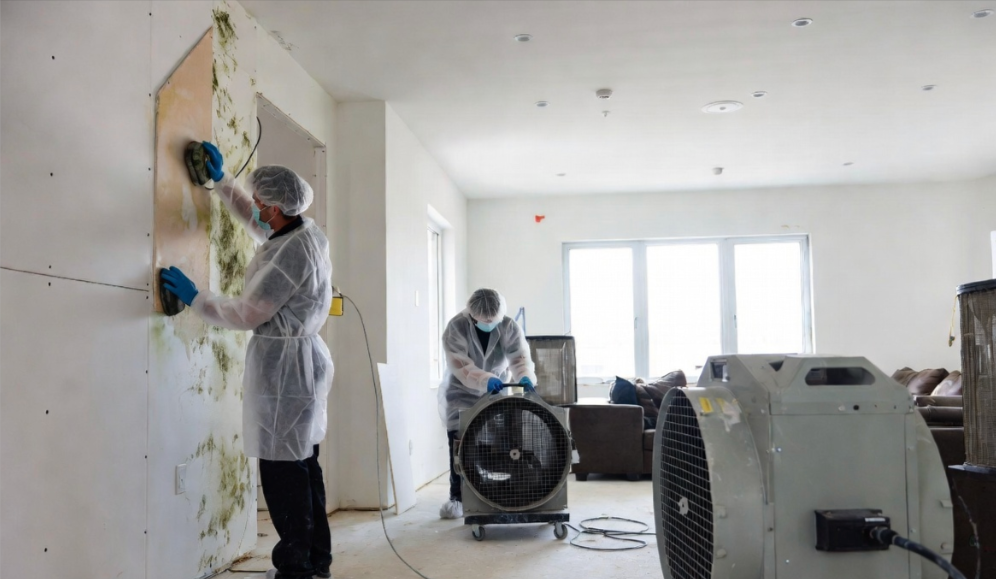
Mold Removal Safety: Safety precautions during mold removal.
Fire Damage and HVAC Systems: Assessing and restoring HVAC systems after a fire.
Water Damage in Commercial Buildings: Addressing water damage in offices and businesses.
Mold Testing Methods: Overview of mold testing techniques.
Fire Damage Cleanup Checklist: A comprehensive checklist for restoration.
Water Damage and Flooring: Restoring different types of flooring after water exposure.
Mold-Resistant Materials: Recommending materials that resist mold growth.
Fire Damage Artifacts: Restoring sentimental items damaged by fire.
Water Damage and Electrical Systems: Handling electrical issues after water damage.
Mold Removal FAQs: Answering common questions about mold removal.
Fire Damage Safety Tips: Staying safe during fire damage restoration.

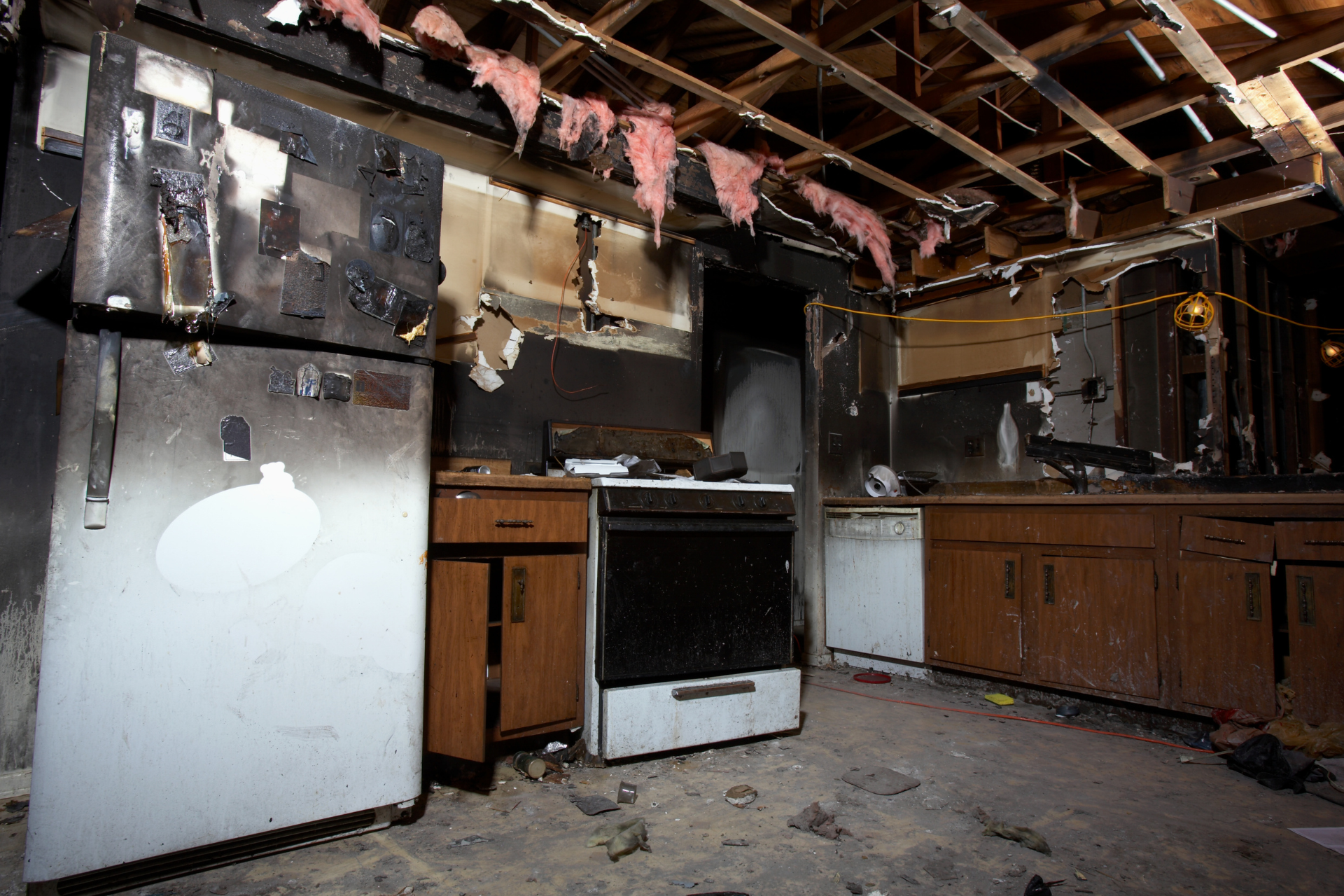
When disaster strikes in the form of a fire, the aftermath can be devastating. Not only does fire damage affect the structure of your property, but it can also impact critical systems like your HVAC (Heating, Ventilation, and Air Conditioning) system. As a homeowner or business owner facing the aftermath of a fire, it's crucial to understand the importance of assessing and restoring your HVAC system to ensure the safety and comfort of your space.


At Utah Flood Guys, we understand the stress and challenges that come with dealing with fire damage. As a trusted restoration company serving Utah residents, we specialize in handling fire damage, water damage, mold removal, and more. In this blog post, we'll delve into the impact of fire damage on HVAC systems, the steps involved in assessing and restoring these systems, and why professional restoration services are essential for a successful recovery.


The Impact of Fire Damage on HVAC Systems


Fires generate intense heat and smoke, which can wreak havoc on your property and its internal systems. Your HVAC system is particularly vulnerable to fire damage due to its complex network of ducts, vents, and components. Even if the fire itself doesn't directly impact the HVAC system, the smoke and soot particles can infiltrate the system, leading to contamination and potential malfunctions.


When a fire occurs, the HVAC system can distribute smoke and soot particles throughout the property, impacting indoor air quality and posing health risks to occupants. In addition, the heat from the fire can damage the mechanical components of the HVAC system, such as the compressor, blower motor, and electrical wiring. Without proper assessment and restoration, an affected HVAC system may not function efficiently and could potentially pose a fire hazard in the future.


Assessing and Restoring HVAC Systems After a Fire


Assessing and restoring an HVAC system after a fire requires expertise, equipment, and a systematic approach to ensure thorough cleaning and restoration. Here are the key steps involved in the process:


1. Inspection and Assessment

A professional restoration team will conduct a thorough inspection of the HVAC system to identify areas of smoke and soot damage, as well as any physical damage to components. This assessment will help determine the extent of the damage and inform the restoration plan.


2. Cleaning and Decontamination

Cleaning the HVAC system involves removing smoke and soot residues from ducts, vents, coils, filters, and other components. Specialized equipment and cleaning solutions are used to decontaminate the system and restore it to a clean and safe condition.


3. Repairs and Replacement:

Damaged components of the HVAC system may need repairs or replacement to ensure proper functionality. This may include repairing electrical wiring, replacing filters, or servicing the blower motor to restore optimal performance.


4. Testing and Inspection

After cleaning and repairs are completed, the HVAC system is tested to ensure that it is functioning effectively and safely. Air quality tests may also be conducted to verify that the system is circulating clean air throughout the property.


Why Professional Restoration Services are Essential


Attempting to assess and restore an HVAC system after a fire on your own can be risky and ineffective. Professional restoration services, like those offered by Utah Flood Guys, provide the expertise, resources, and experience needed to handle fire damage and restore HVAC systems safely and efficiently.


By enlisting the help of professionals, you can ensure that your HVAC system is thoroughly cleaned, repaired, and restored to pre-fire condition. Professional restoration services not only save you time and effort but also give you peace of mind knowing that your property is in capable hands.


In conclusion, fire damage can have a significant impact on HVAC systems, necessitating thorough assessment and restoration to ensure safety and efficiency. By partnering with a trusted restoration company like Utah Flood Guys, you can rest assured that your HVAC system will be in good hands throughout the restoration process. Don't hesitate to seek professional help when dealing with fire damage – your safety and comfort depend on it.


If your property has been affected by fire damage and you need professional restoration services, contact Utah Flood Guys today for expert assistance. Let us help you restore your property and HVAC system to their former glory. Stay safe and take care of your HVAC system – it's the key to maintaining a healthy and comfortable indoor environment.

You might also like

Utah Flood Guys Blog
UtaStructural dryng in the Utah climate
By Ryan Spelts December 1, 2025
Discover how often flooding occurs in Utah and why our unique climate demands specialized structural drying. Expert insights on water damage restoration.
By Ryan Spelts November 17, 2025
Complete guide to handling dishwasher water damage in Utah homes. Learn immediate response steps, insurance tips, and prevention strategies. 24/7 help available.
By Ryan Spelts November 7, 2025
Nobody expects to wake up to ankle-deep water in their basement or watch helplessly as spring snowmelt turns their home into an unplanned water feature. Here in Utah, we face unique challenges from notorious spring runoff, surprise flash floods, and pipes that burst when temperatures drop below freezing. The good news is that proven methods exist to address these problems effectively. Utah flood restoration isn't just about Shop-Vacs and fans. It's a science-backed process that, when done correctly, can have your home looking like nothing ever happened–often in even better condition than before. Understanding what professional restoration entails helps you make informed decisions during a stressful time. Complete Utah Flood Restoration Process: Step-by-Step The process of Utah flood restoration follows a methodical approach that makes sense once you understand how each phase builds on the previous one. Initial Emergency Response starts when you call for help. Within 2-4 hours, a professional crew should arrive to assess safety by checking for electrical hazards, structural damage, and contamination levels. This assessment determines the entire scope of work and helps classify the water damage category. Water Extraction Methods are where serious equipment makes the difference in flood damage repair. Truck-mounted extraction units can pull 300 gallons per minute–emptying an average hot tub in about 90 seconds. The goal isn't just removing visible water; it's getting moisture levels low enough that secondary damage like warping and microbial growth can't take hold. Structural Drying Techniques separate professionals from weekend warriors. Strategic drying requires understanding psychrometrics–the relationship between temperature, humidity, and evaporation rates. Professional water damage restoration teams use this knowledge to position commercial dehumidifiers and air movers in configurations that maximize airflow while controlling the environment to promote rapid, safe drying. Damage Assessment & Documentation happens throughout the process. Every water-damaged item gets photographed, categorized, and logged with detailed descriptions. Insurance companies want specific moisture readings, thermal imaging shots showing water migration patterns, and detailed inventories. Extensive documentation expedites claims processing. Restoration vs. Replacement Decisions often surprise homeowners. That warped hardwood floor might be salvageable with proper drying and refinishing, potentially saving thousands. But particle board cabinets that absorbed water rarely recover their structural integrity. Professional guidance helps you make cost-effective decisions based on both immediate expenses and long-term value. 

Book a Service Today