Is There Mold in Your Utah Home? Here's How to Find Out
When it comes to the safety and well-being of your home and family, mold is not something to take lightly. Not only can mold pose health risks, but it can also cause damage to your property if left untreated. Living in Utah, where the climate can be humid and there are frequent occurrences of water damage, it's important to be proactive in checking for mold in your home.
As a reputable restoration company in Utah, we at Utah Flood Guys understand the importance of identifying and addressing mold issues promptly. In this blog post, we'll discuss how you can determine if there is mold in your Utah home and what steps you can take to address it.
Signs of Mold in Your Home
Mold can often go undetected because it tends to grow in hidden places such as behind walls, under floors, or in damp, dark areas. However, there are some common signs that can indicate the presence of mold in your home:
1. Musty Odor
One of the most obvious signs of mold is a musty or earthy smell. If you notice a persistent musty odor in certain areas of your home, there is a good chance that mold is present.
2. Visible Mold
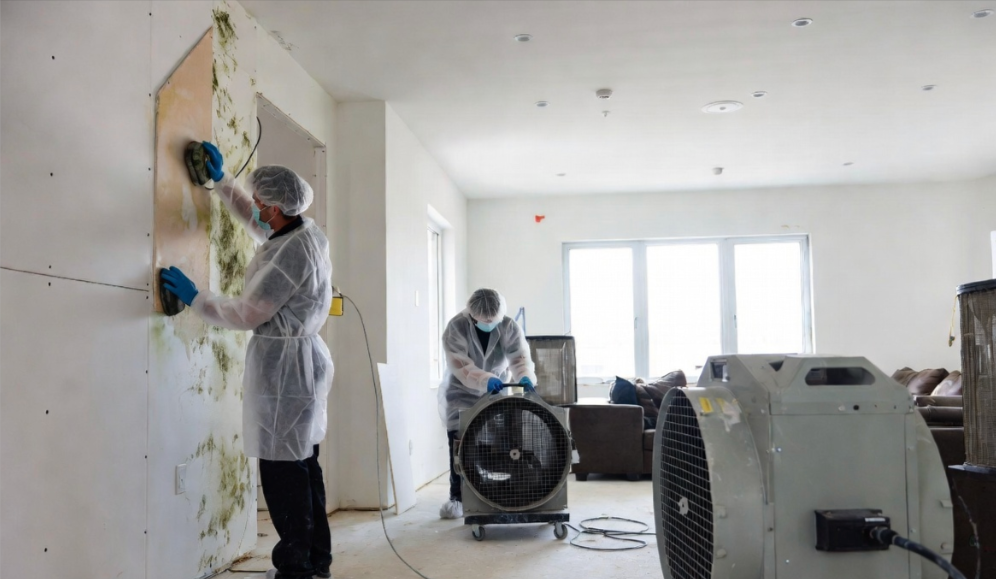
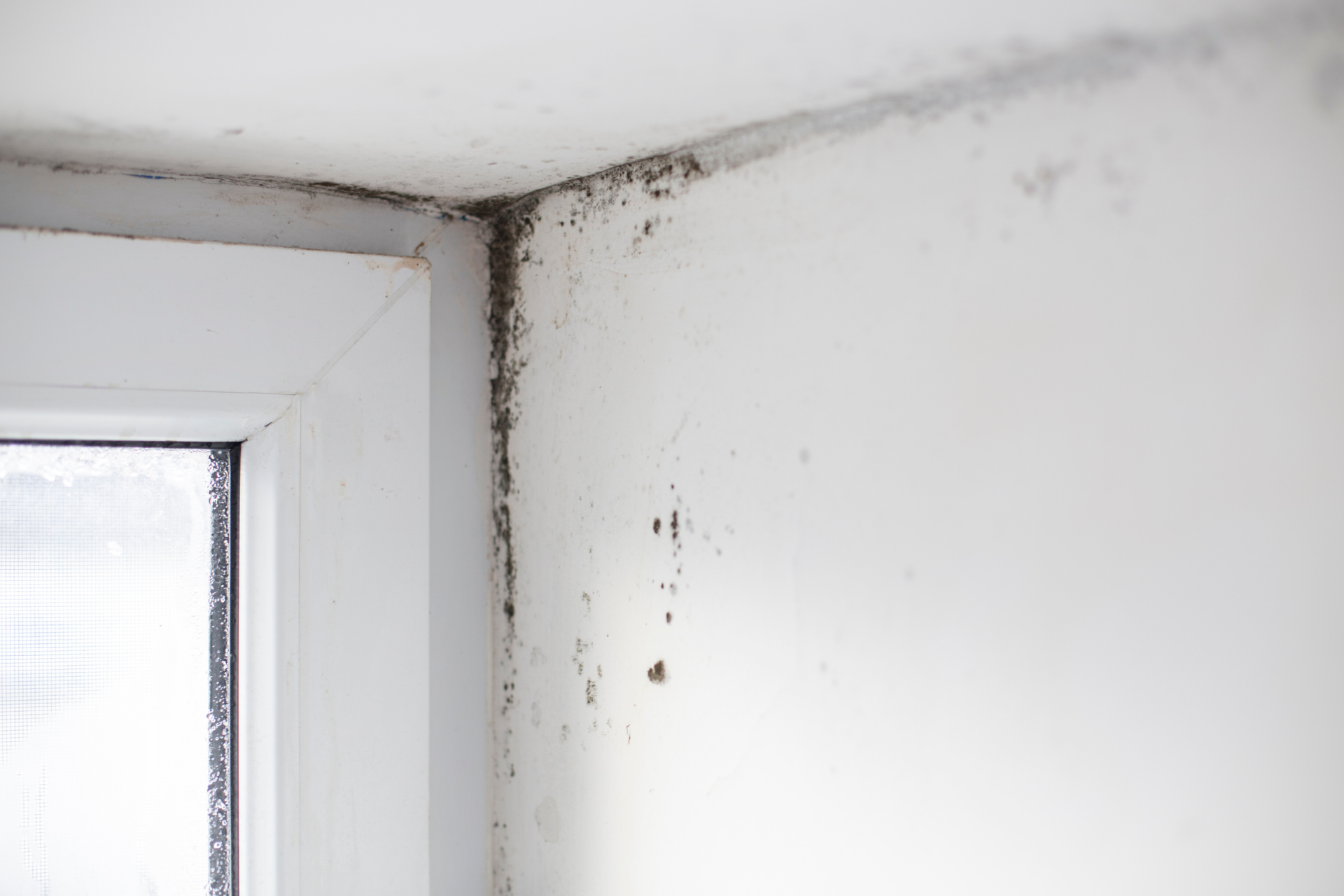
Sometimes mold is visible on surfaces such as walls, ceilings, or floors. Mold can appear in various colors like black, green, or white. If you see any patches of mold, it's crucial to address it immediately.
3. Water Damage
If your home has experienced water damage in the past, whether from a leaky roof, burst pipe, or flooding, mold growth is likely. Moisture is a breeding ground for mold, so any areas that have been affected by water should be thoroughly inspected.
4. *Health Symptoms
Exposure to mold can cause a range of health issues such as respiratory problems, allergies, and skin irritation. If you or your family members are experiencing unexplained health symptoms, mold could be the culprit.
How to Confirm Mold Presence
If you suspect that there might be mold in your Utah home, you can take the following steps to confirm its presence:
1. Visual Inspection
Start by thoroughly inspecting areas where mold is most likely to grow, such as bathrooms, basements, and areas with water damage. Look for any visible signs of mold growth.
2. Mold Testing
To get a definitive answer on whether mold is present, you can opt for mold testing. Professional mold testing can identify the type of mold and the extent of the contamination in your home.
3. Consult a Professional
If you're unsure about whether there is mold in your home, it's best to consult a mold remediation specialist. At Utah Flood Guys, our team of experts can conduct a thorough inspection and provide recommendations for mold removal.
Dealing with Mold in Your Utah Home
If you confirm the presence of mold in your Utah home, it's essential to take immediate action to prevent further damage and safeguard your health. Here are some steps you can take:
1. Address the Source of Moisture
Mold thrives in damp environments, so it's important to fix any sources of moisture in your home. Repair leaks, improve ventilation, and reduce humidity levels to prevent mold growth.
2. Mold Removal
Depending on the extent of the mold infestation, you may need professional mold removal services. At Utah Flood Guys, we utilize advanced techniques and equipment to effectively remove mold from your property.
3. Preventative Measures
To prevent mold from returning, it's crucial to maintain a dry and well-ventilated home. Regularly inspect for leaks, clean and dry water-damaged areas promptly, and consider using dehumidifiers in high-moisture areas.
In conclusion, mold is a common issue that many Utah homeowners face, especially in areas prone to water damage. By being proactive in identifying and addressing mold problems, you can protect your home and loved ones from potential health risks and property damage. If you suspect mold in your Utah home, don't hesitate to reach out to Utah Flood Guys for expert mold remediation services. Stay vigilant, stay safe, and keep your home mold-free!
You might also like
Utah Flood Guys Blog