
Insurance Claims After a House Fire: What to Expect
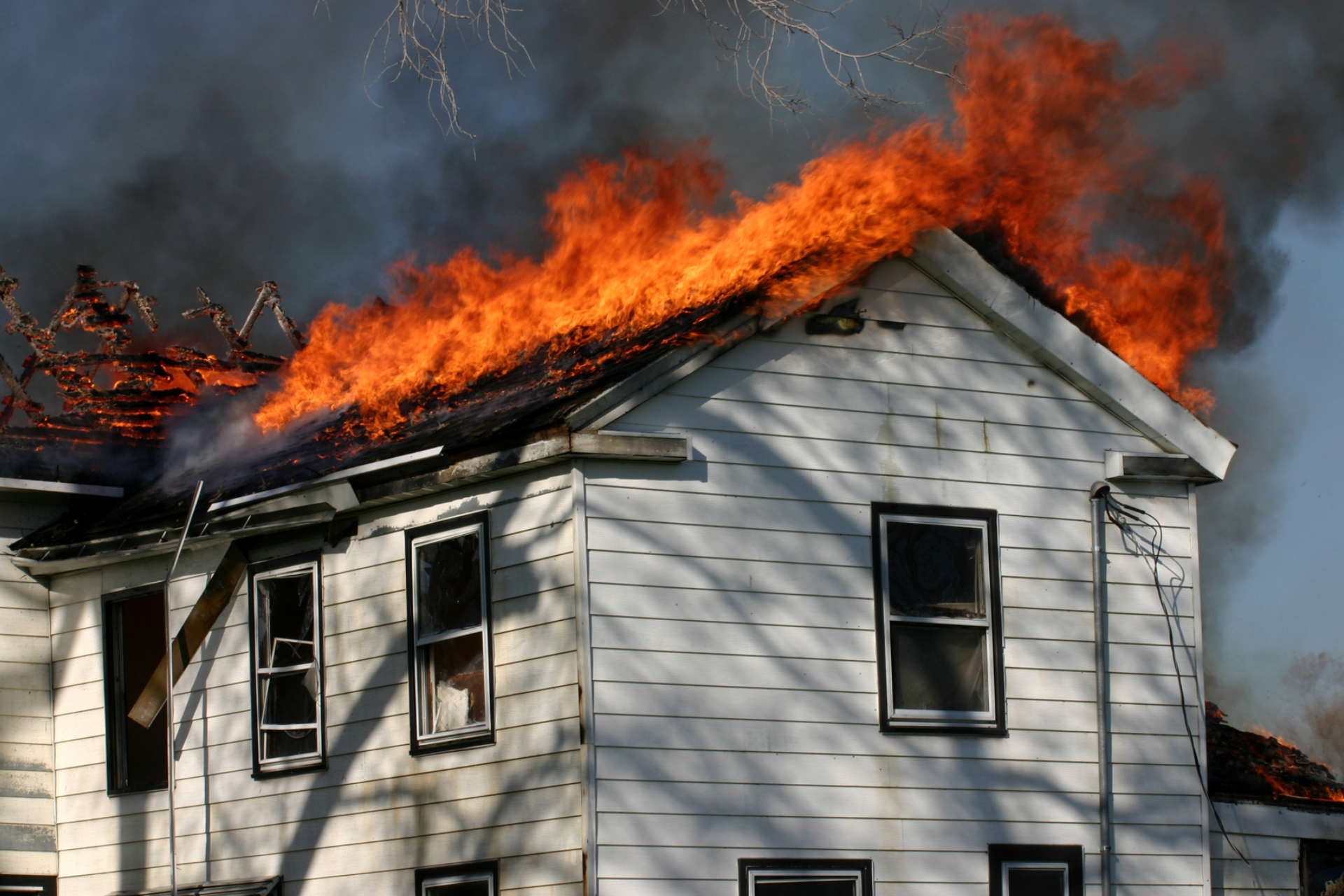
Experiencing a house fire can be one of the most devastating events in a person's life. The loss and chaos that comes with it can be overwhelming, making it difficult to think ahead. However, understanding the insurance claims process can help you regain some control in the aftermath. At Utah Flood Guys, we're here to guide you through this challenging journey.
Assess the Damage
After the fire department has cleared the danger and it's safe to enter your home, the first step is to assess the damages. Document everything. Take photos or videos of the affected areas, both inside and outside your home. This documentation is crucial when dealing with your insurance company. It may also be beneficial to list personal belongings that were lost or damaged. This tangible evidence can help substantiate your claim and ensure you’re compensated fairly.
Contact Your Insurance Company
Reaching out to your insurance provider should be one of your top priorities. They will guide you through the next steps and let you know what information they need. Be prepared to provide them with the details of the fire, including the date it occurred and the extent of the damage. The sooner you contact them, the quicker you can start the claims process.
Understanding Your Coverage
Your insurance policy will play a key role in determining what is covered. Familiarize yourself with your specific plan to understand the extent of your coverage. Common elements include:
- Dwelling Coverage
This covers the structure of your home.
- Personal Property Coverage
This covers the belongings inside your home.
- Additional Living Expenses
If your home is uninhabitable, this can help reimburse you for temporary living expenses.
If you’re unclear about your coverage, don’t hesitate to ask your agent for clarification. Knowing what you’re entitled to will make the process smoother.
The Claims Process
Once your claim is filed, an adjuster will be assigned to assess the damage firsthand. They may walk through your property, compare it to your documentation, and ensure all damages are accounted for. This is why your notes and photos are so important—they help the adjuster get an accurate picture of the situation.
After evaluating the damage, the adjuster will determine how much compensation you're eligible for. This can take time, so it's essential to stay in touch with your insurance company throughout this phase.
Working with a Restoration Company
One of the most important steps after a fire is to begin restoration as quickly as possible. Engaging professionals like Utah Flood Guys can help ensure that your home is completely restored to its pre-loss condition. We specialize in fire damage and can work directly with your insurance company, helping to simplify the process for you.
Conclusion
Filing an insurance claim after a house fire can be a daunting task, but knowing what to expect can help you navigate this traumatic experience. Remember to document everything, communicate openly with your insurance company, and don’t hesitate to seek professional help. At Utah Flood Guys, we’re here to support you in this difficult time, ensuring you emerge from the ashes with a restored home and peace of mind. Together, we can help you rebuild.
You might also like
Utah Flood Guys Blog