Black Mold: Is It a Threat to Your Health?
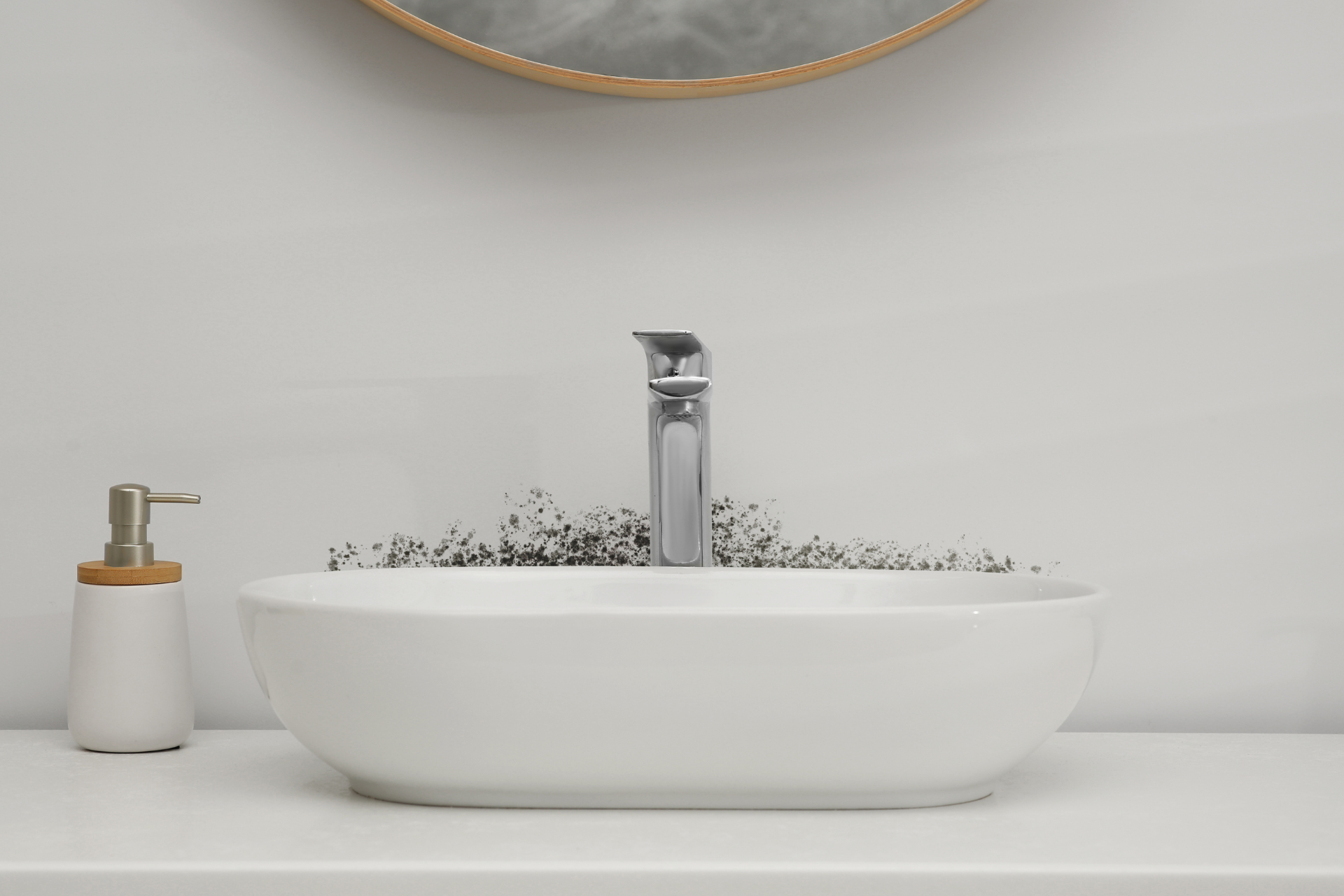
If you're a homeowner or a business owner in Utah, you might have heard the term "black mold" tossed around in conversations about water damage and unhealthy living conditions. But what exactly is black mold, and should you be worried about its potential threat to your health? Let's dive into this topic so you can protect yourself and your loved ones.
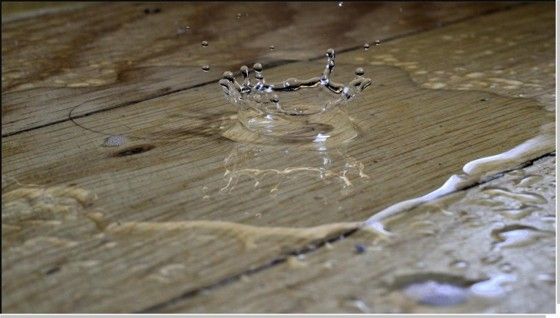
Black mold, scientifically known as Stachybotrys chartarum, is a type of mold that thrives in damp, humid environments. It's particularly notorious for appearing in homes that have experienced water damage—think leaky roofs, flooding, or high humidity levels. If you’ve ever faced the aftermath of water damage and didn’t act quickly, you might be at risk for mold growth.
What’s the Big Deal About Black Mold?
While all mold can be a nuisance, black mold poses specific risks that are worth paying attention to. It can release mycotoxins, which are toxic compounds produced by certain molds. Inhaling or touching these spores can lead to a variety of health issues, especially for sensitive individuals.
So, what kind of health effects are we talking about? Exposure to black mold can result in symptoms similar to allergies, including sneezing, runny nose, and skin rashes. However, it doesn’t stop there. More severe reactions can occur for those with asthma or weakened immune systems. Prolonged exposure may lead to chronic respiratory problems, fatigue, and even neurological issues. If you notice any of these symptoms escalating in your household, especially after water damage, it’s time to take action.
How to Spot Black Mold
Identifying black mold can be tricky, as its dark color can often blend in with wet surfaces or even be confused with other types of mold. However, it typically has a slimy texture and is often found in hidden places: behind walls, under carpets, or in damp basements. A musty odor is also a telltale sign. If you catch a whiff of something that smells damp or earthy, you might have a mold issue brewing.
Prevention is Key
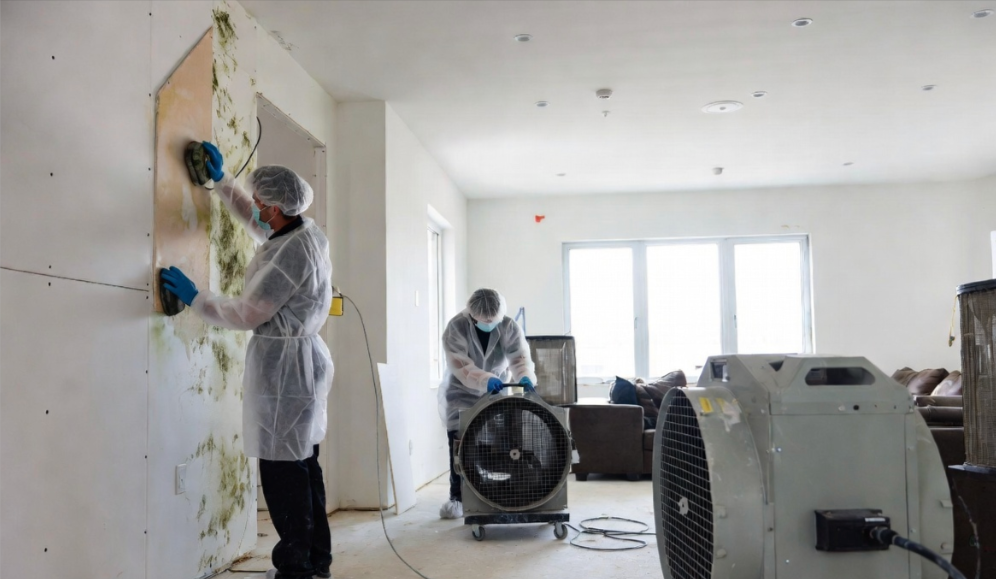
Prevention is always better than cure, and mold is no exception. After any water damage, it's crucial to act swiftly. Dry out any wet areas within 24-48 hours and ensure good ventilation throughout the space. Regularly check for leaks and leaks in roofs, pipes, and doors. If you ever feel overwhelmed by the cleaning process, don’t hesitate to call in professionals like Utah Flood Guys. We specialize in mold removal and can help you restore your property to its safe, healthy state.
What to Do If You Find Black Mold
Should you discover black mold in your area, addressing it quickly is crucial. If it's a small patch, you can attempt to clean it with a mixture of water and detergent. However, for extensive growth or if you're unsure about tackling the issue yourself, it's best to consult experts. Our team at Utah Flood Guys understands how to safely and effectively remove mold and ensure it doesn’t return.
In conclusion, black mold is not something to take lightly. It can pose real health risks, especially if left unaddressed after water damage. Being proactive with prevention and taking swift action with any signs of a mold problem can go a long way in keeping your home or business safe. Remember, when in doubt, reach out to professionals who can help you navigate these tricky waters. Your health and peace of mind are worth it!
You might also like
Utah Flood Guys Blog