The Role of Technology in Restoration: From Moisture Meters to Drones
In the world of disaster cleanup, technology plays an increasingly vital role in restoring homes and businesses after water damage, mold issues, or fire incidents. At Utah Flood Guys, we understand how critical it is to leverage modern tools to provide the most efficient and effective restoration services possible. Whether you’re facing the aftermath of flooding or trying to eliminate that pesky mold, technology can make all the difference.
Let’s dive into some of the fascinating technologies that are transforming the restoration industry, making our job easier and dramatically improving outcomes for our clients.
Moisture Meters: The First Line of Defense
When it comes to water damage, one of the biggest concerns is hidden moisture. This can lead to mold growth and structural damage if not addressed promptly. That’s where moisture meters come in. These handy devices allow restoration professionals to measure the moisture levels in various materials like wood, drywall, and concrete.
By giving us precise readings, moisture meters help pinpoint exactly where the water has infiltrated. This ensures that our team will effectively target affected areas for drying and restoration, preventing future problems down the line. For homeowners, this means less guesswork and a more thorough recovery process.
Infrared Cameras: Seeing Beyond the Surface
Infrared cameras are another game-changing tool in the restoration toolkit. They work by detecting temperature changes in surfaces, which indicates potential areas of hidden moisture. For example, a wall that feels dry on the outside may hide dampness within that needs urgent attention.
Using infrared technology allows Utah Flood Guys to efficiently assess an entire property without invasive measures, saving time and minimizing disruption for our clients. These cameras provide real-time visuals that enhance our understanding of the damage, helping us devise a customized plan for restoration.
Air Movers and Dehumidifiers: Speeding Up the Drying Process
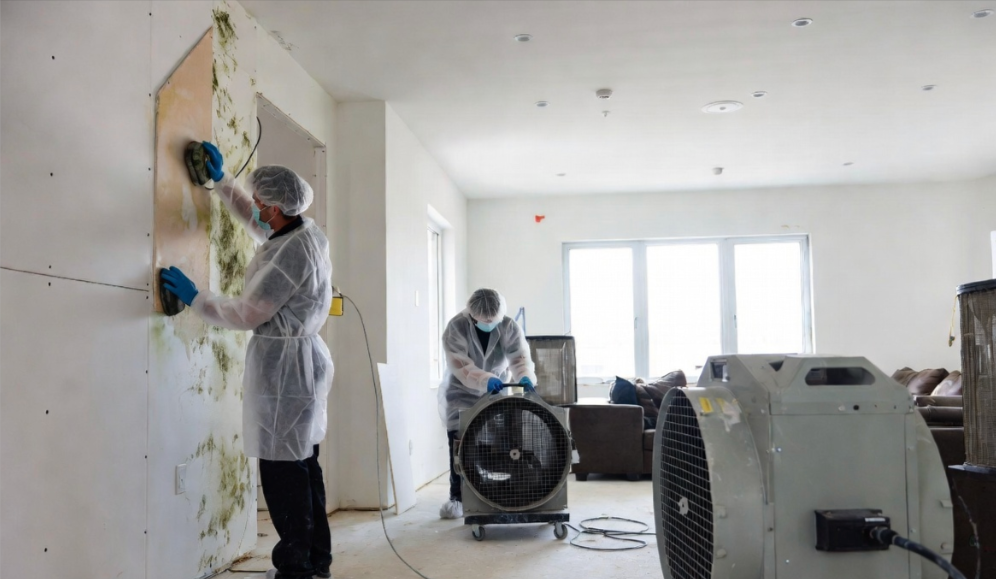
Once we’ve assessed the damage, it’s time to start the drying process. Here, technology shifts into high gear with air movers and dehumidifiers. High-powered air movers circulate air to dry out wet areas quickly while dehumidifiers extract moisture from the air, creating an environment that inhibits mold growth.
The effective combination of these devices can significantly reduce the drying time, which is crucial as every hour counts when it comes to restoring water-damaged properties. Faster drying means less chance for mold to set in, and ultimately a smoother recovery for our clients.
Drones: A Bird’s Eye View of Damage Assessment
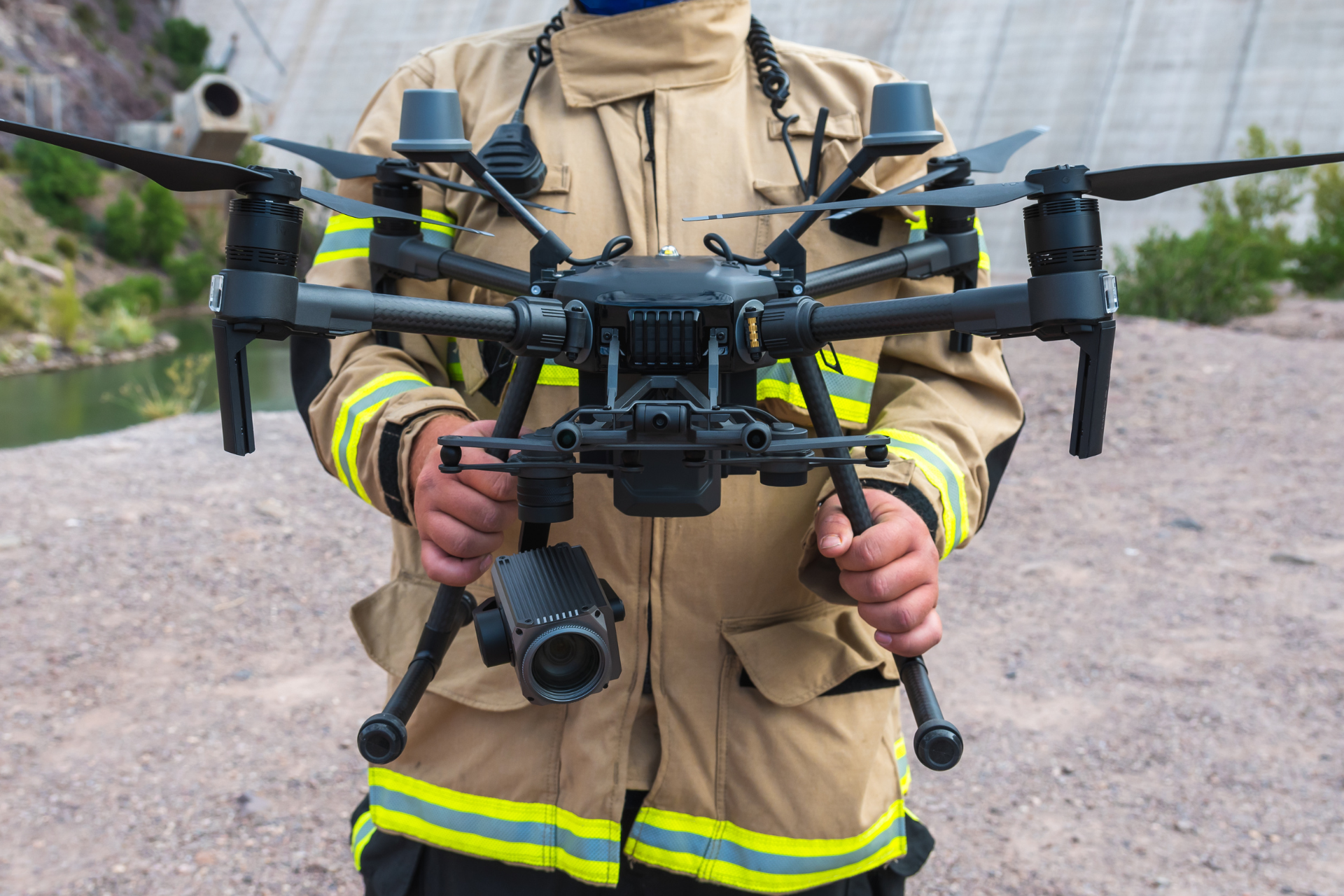
In the landscape of severe disasters, drones are revolutionizing how we assess damage. These flying machines can survey large areas quickly and safely, providing real-time images that help our team evaluate the extent of the damage from hard-to-reach places.
Using drones not only speeds up the assessment process but also enhances safety by allowing us to avoid hazardous situations on the ground. With comprehensive aerial images, we can devise more effective strategies to restore properties efficiently.
Conclusion: Embracing the Future of Restoration
At Utah Flood Guys, we’re committed to staying at the forefront of restoration technology. By harnessing the power of moisture meters, infrared cameras, air movers, dehumidifiers, and drones, we enhance our ability to quickly and effectively restore your property to its former glory. Whether you’re dealing with a minor leak or significant flood damage, rest assured that our skilled team is equipped and ready to tackle the job.
In the face of disaster, technology not only offers solutions but also peace of mind. Trust us to navigate the recovery process with the best tools at our disposal, ensuring your home or business is back to normal in no time.
You might also like
Utah Flood Guys Blog