How to Identify and Fix Hidden Water Leaks in Your Home

Water leaks in your home can cause extensive damage if left unchecked. From mold growth to structural damage, hidden water leaks can wreak havoc on your property and your health. That's why it's crucial to learn how to identify and fix these leaks before they escalate into a major disaster. In this blog post, we'll discuss some common signs of hidden water leaks in your home and provide tips on how to address them effectively.
As a trusted restoration company in Utah, Utah Flood Guys understands the importance of early detection and prompt action when it comes to water leaks. Our experienced team has seen firsthand the devastating effects of water damage and is here to help you safeguard your home. Let's dive into the steps you can take to identify and fix hidden water leaks in your home.
Signs of Hidden Water Leaks
1. Unexplained Water Bill Spikes
If you notice a sudden increase in your water bill without any apparent reason, there may be a hidden leak in your plumbing system.
2. Musty Odors
Mold and mildew thrive in damp environments, so musty odors in certain areas of your home could indicate hidden water leaks.
3. Warped or Discolored Walls
Water leaks can cause walls to warp or become discolored, especially near plumbing fixtures or in areas with poor ventilation.
4. Sounds of Dripping Water
If you hear the sound of dripping water when no faucets are running, it's a clear sign of a hidden leak.
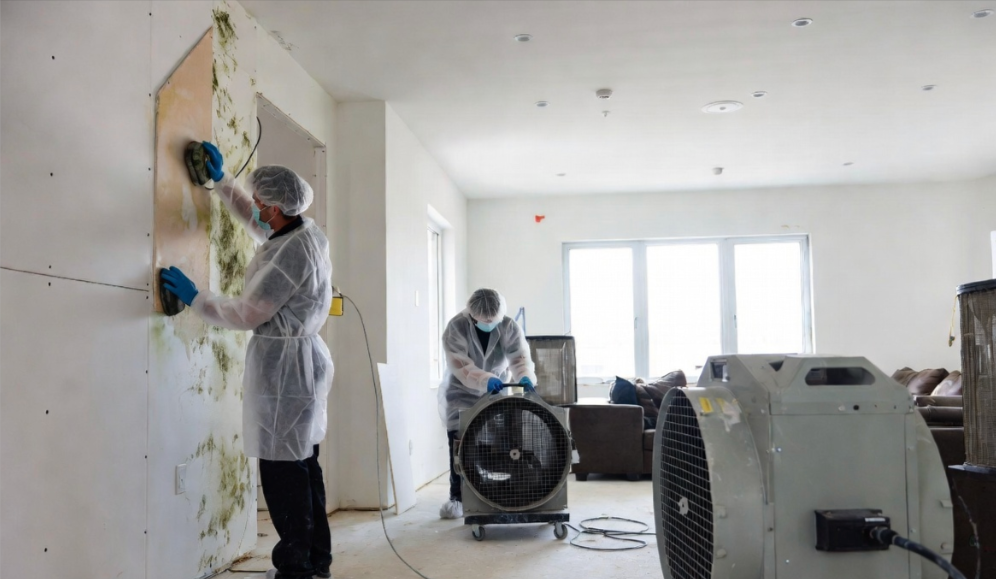
5. Mold Growth
Any unexplained mold growth in your home, especially in areas prone to moisture, could be a result of hidden water leaks.
Tips for Identifying and Fixing Water Leaks
1. Conduct a Visual Inspection
Check for signs of water damage in your home, such as ceiling stains, peeling paint, or wet spots on walls and floors.
2. Monitor Water Usage
Keep track of your water consumption and look out for any unusual spikes in usage that could indicate a leak.
3. Use a Water Meter
Turn off all water sources in your home and check your water meter. If it's still running, it's likely that you have a leak.
4. Inspect Your Plumbing Fixtures
Check under sinks, around toilets, and behind appliances for any signs of leaks or water damage.
5. Call a Professional
If you suspect a hidden water leak but can't pinpoint its source, don't hesitate to contact a professional restoration company like Utah Flood Guys for assistance.
Preventing Future Water Leaks
Once you've identified and fixed any hidden water leaks in your home, it's important to take steps to prevent future incidents. Here are some tips to help you safeguard your property:
1. Regularly Inspect Your Plumbing
Check for leaks or signs of wear and tear in your plumbing fixtures, including pipes, faucets, and connections.
2. Maintain Your Appliances
Properly maintain appliances that use water, such as your water heater, dishwasher, and washing machine, to prevent leaks.
3. Upgrade Your Plumbing
Consider upgrading to leak-resistant plumbing fixtures and appliances to reduce the risk of future water leaks.
4. Keep Your Gutters Clean
Ensure that your gutters are clean and free of debris to prevent water from seeping into your home's foundation.
5. Install a Water Detection System
Invest in a water detection system that can alert you to leaks or high moisture levels in your home.
By staying vigilant and taking proactive measures, you can protect your home from the damaging effects of hidden water leaks. If you encounter a water emergency, Utah Flood Guys is here to help. Contact us for prompt and reliable water damage restoration services in Utah.
You might also like
Utah Flood Guys Blog