The Long-Term Effects of Water Damage on Your Home’s Structure
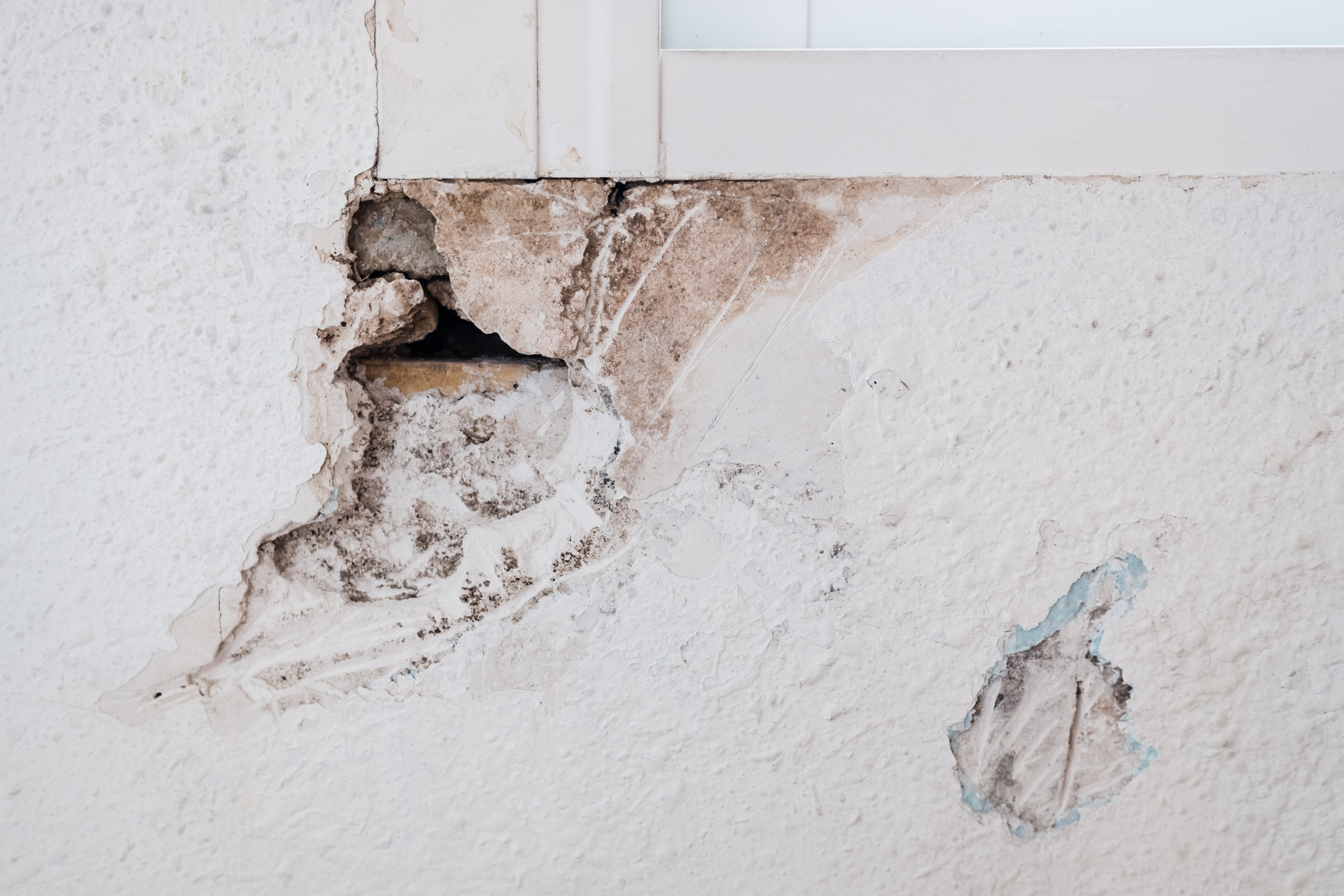
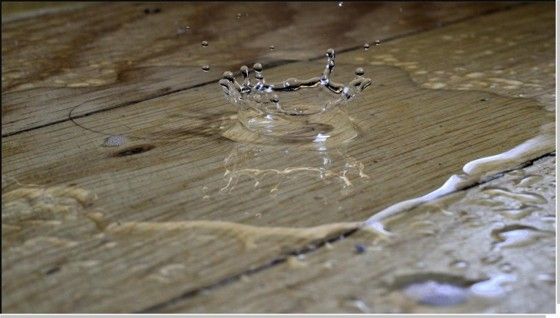
Water damage is a homeowner's worst nightmare. From burst pipes to leaky roofs, dealing with a water-related disaster can be stressful and overwhelming. While the immediate impact of water damage is visible and alarming, what many homeowners fail to realize is the long-term effects it can have on their home's structure. At Utah Flood Guys, we understand the importance of addressing water damage promptly to prevent costly repairs down the road. Let's explore some of the long-term consequences of water damage on your home's structure.
1. Structural Weakening:
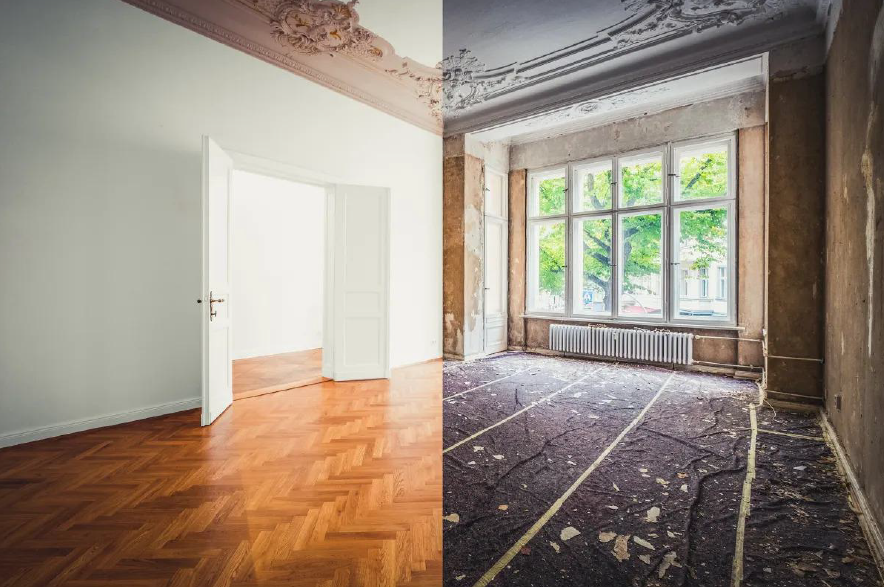
One of the most significant long-term effects of water damage is the weakening of your home's structure. When water saturates building materials such as drywall, wood, and insulation, it can compromise their integrity over time. This can lead to sagging ceilings, warped floors, and even structural failure if left unchecked. To avoid potential safety hazards and costly repairs, it's crucial to address water damage promptly and thoroughly.
2. Mold Growth:
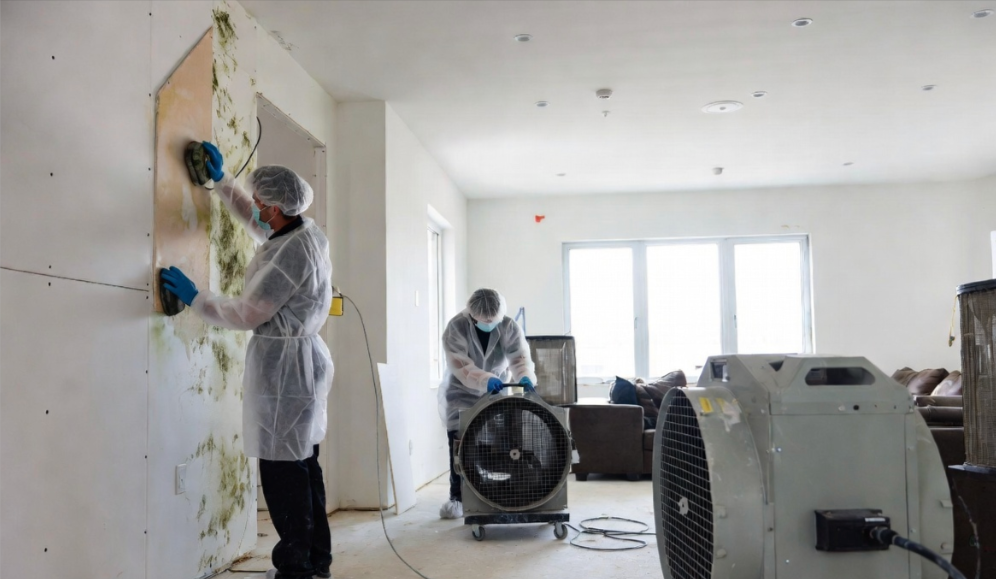
Water damage creates the ideal environment for mold growth. Mold spores thrive in damp, humid conditions, and can begin to colonize within 24-48 hours of a water intrusion. Once mold takes hold, it can spread rapidly throughout your home, affecting not only the structure but also the air quality. Prolonged exposure to mold can lead to respiratory issues, allergies, and other health problems. Removing water-damaged materials and thoroughly drying affected areas is essential to prevent mold growth and safeguard your family's health.
3. Electrical Hazards:
Water and electricity don't mix, yet water damage can pose significant electrical hazards in your home. If water infiltrates electrical wiring, outlets, or appliances, it can cause short circuits, fires, or electrocution risks. Even after the visible water has been removed, moisture can linger in walls and flooring, increasing the likelihood of electrical issues over time. To prevent dangerous situations, it's crucial to have a professional assess and address any water-related electrical concerns promptly.
4. Decreased Property Value:
Ignoring water damage can have a lasting impact on your home's value. Potential buyers are wary of properties with a history of water damage, as it can be a sign of underlying issues and poor maintenance. Structural damage, mold growth, and compromised electrical systems can all detract from your home's appeal and marketability. By addressing water damage promptly and thoroughly, you can protect your investment and preserve your home's value.
At Utah Flood Guys, we specialize in restoring homes and businesses impacted by water damage, mold, and fire disasters. Our team of experienced professionals is dedicated to providing fast, efficient, and comprehensive restoration services to ensure your property is safe and sound for years to come. Don't let water damage wreak havoc on your home's structure – contact us today for expert assistance.
In conclusion, the long-term effects of water damage on your home's structure can be severe and costly if not addressed promptly and effectively. Structural weakening, mold growth, electrical hazards, and decreased property value are just a few of the potential consequences of untreated water damage. By partnering with a trusted restoration company like Utah Flood Guys, you can mitigate these risks and restore your home to its pre-damage condition. Remember, when it comes to water damage, time is of the essence – don't wait until it's too late to take action.
You might also like
Utah Flood Guys Blog