The Best Flood-Proofing Techniques for Utah Basements
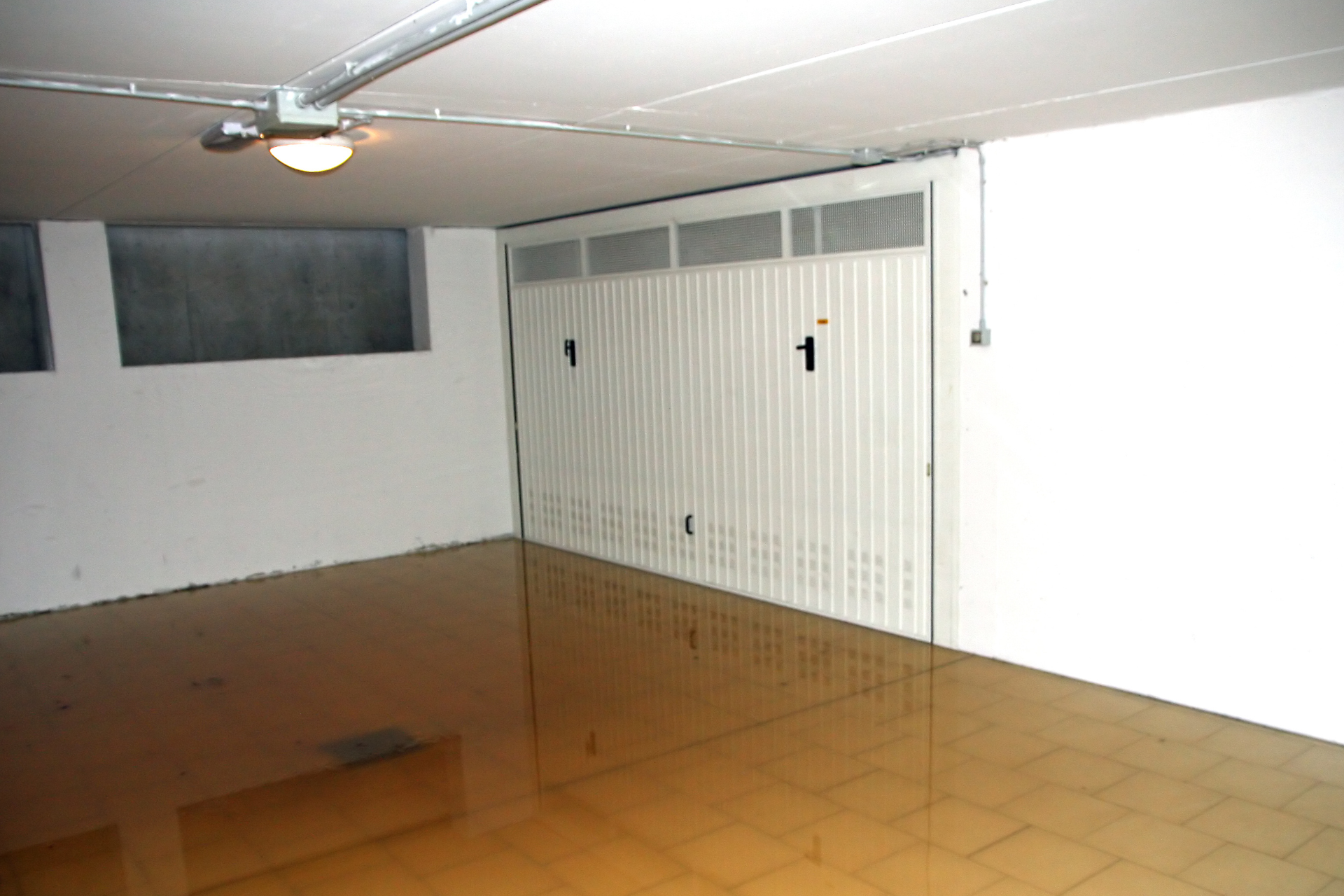
Hey there, Utah homeowners! If you've ever experienced a basement flood, you know the headache and heartache that can come with it. Water damage can wreak havoc on your property and your peace of mind. But fear not, because we're here to help you safeguard your basement against future flooding. At Utah Flood Guys, we've seen it all when it comes to water damage, and we've got some tried and tested flood-proofing techniques to share with you.
1. Install a Sump Pump:
One of the most effective ways to prevent basement flooding is by installing a sump pump. This handy device sits in a pit in your basement floor and automatically pumps out any excess water that accumulates. In case of heavy rains or a burst pipe, the sump pump can be a lifesaver, keeping your basement dry and damage-free.
2. Maintain Your Gutters and Downspouts:
Properly functioning gutters and downspouts are essential in diverting water away from your home's foundation. Make sure your gutters are free of debris and are securely attached to your roof. Ensure that downspouts extend at least 10 feet away from your home to prevent water from pooling around your foundation.
3. Seal Cracks and Gaps:
Inspect your basement walls and floors for any cracks or gaps where water could seep in. Seal these areas using waterproof sealant or caulk to create a barrier against water intrusion. This simple step can go a long way in preventing water damage during heavy storms or snow melts.
4. Elevate Electrical Systems:
Water and electricity don't mix, so it's important to elevate your electrical systems in the basement. Raise electrical outlets, switches, and circuit breakers at least 12 inches above the projected flood level. This precaution can help protect your home from dangerous electrical hazards in the event of a flood.
5. Install a Backwater Valve:
In areas prone to sewer backups, installing a backwater valve can prevent contaminated water from flowing back into your basement. This valve automatically closes when it detects reverse flow, helping to keep sewage out of your home and reducing the risk of water damage.
6. Landscape with Proper Grading:
Ensure that the ground around your home slopes away from the foundation to prevent water from pooling near the basement walls. Proper grading can direct rainwater away from your home and reduce the likelihood of basement flooding.
7. Consider Exterior Waterproofing:
For added protection against water intrusion, consider exterior waterproofing measures such as installing a drainage system around the perimeter of your home or applying a waterproof coating to the foundation walls. These proactive steps can help fortify your home's defense against water damage.
Remember, prevention is key when it comes to protecting your basement from floods. By implementing these flood-proofing techniques, you can minimize the risk of water damage and save yourself the stress and expense of dealing with a flooded basement. If you ever find yourself facing a water damage emergency, don't hesitate to contact Utah Flood Guys for fast and reliable restoration services. We're here to help you restore your home and your peace of mind. Stay dry, Utah!
You might also like
Utah Flood Guys Blog