Flood Damage, Mold Removal, and Professional Services: What You Need to Know
When floodwaters invade your home, the immediate damage is obvious—soaked carpets, waterlogged drywall, ruined belongings. But there's another threat lurking beneath the surface that many homeowners don't consider until it's too late: mold. This raises an important question that we hear constantly: do flood damage restoration services actually include mold removal, or is that a separate service you'll need to arrange?
The short answer is yes—comprehensive flood damage restoration should absolutely include mold remediation as part of the process. However, the extent and approach can vary significantly depending on the restoration company you choose and the severity of your situation. Let's break down exactly what you should expect and why addressing mold is such a critical component of proper flood recovery.
Why Mold Follows Flooding Like Clockwork
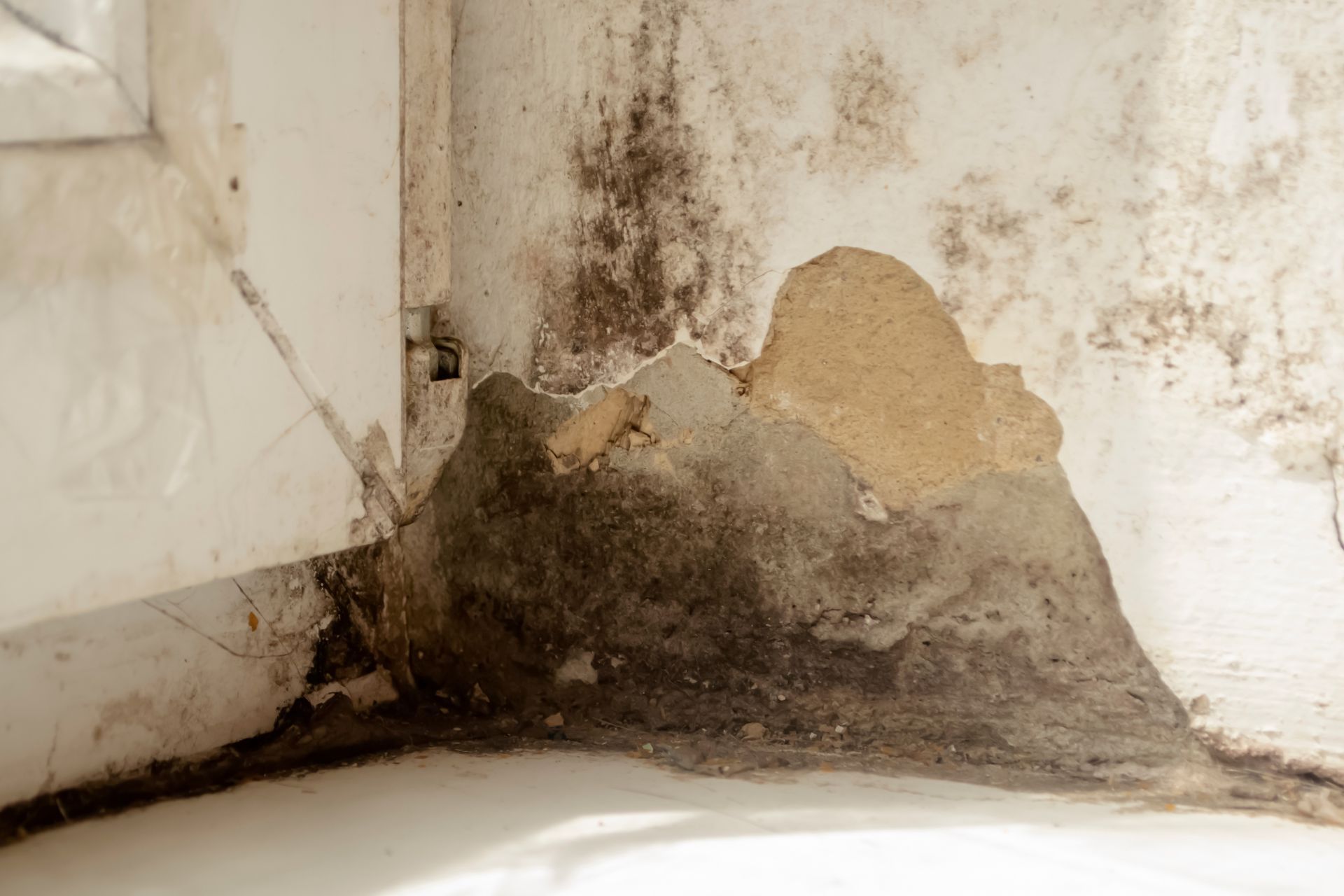
Mold isn't just a possibility after flooding—it's practically inevitable if water damage isn't addressed quickly and thoroughly. Mold spores exist everywhere in our environment, just waiting for the right conditions to flourish. When floodwaters saturate your home, you're essentially creating a mold paradise: abundant moisture, organic materials to feed on, and often warm temperatures that accelerate growth.
The timeline is surprisingly fast. Mold can begin colonizing damp surfaces within 24 to 48 hours of water exposure. This means that by the time you're pumping out standing water and assessing the visible damage, mold may already be establishing itself in hidden areas—inside wall cavities, under flooring, within HVAC systems, and behind baseboards.
This is precisely why flood damage and mold damage repair must go hand-in-hand. You can't truly restore a flood-damaged property without addressing the mold problem, because leaving mold behind means leaving the job unfinished. Professional restoration companies understand this interconnected relationship and build comprehensive protocols that tackle both issues simultaneously rather than treating them as separate problems.
What Comprehensive Flood Damage Restoration Actually Includes
A proper flood damage restoration service encompasses far more than just removing water and drying out your space. It's a multi-phase process designed to return your property to a safe, healthy, pre-loss condition—and that absolutely requires addressing microbial contamination.
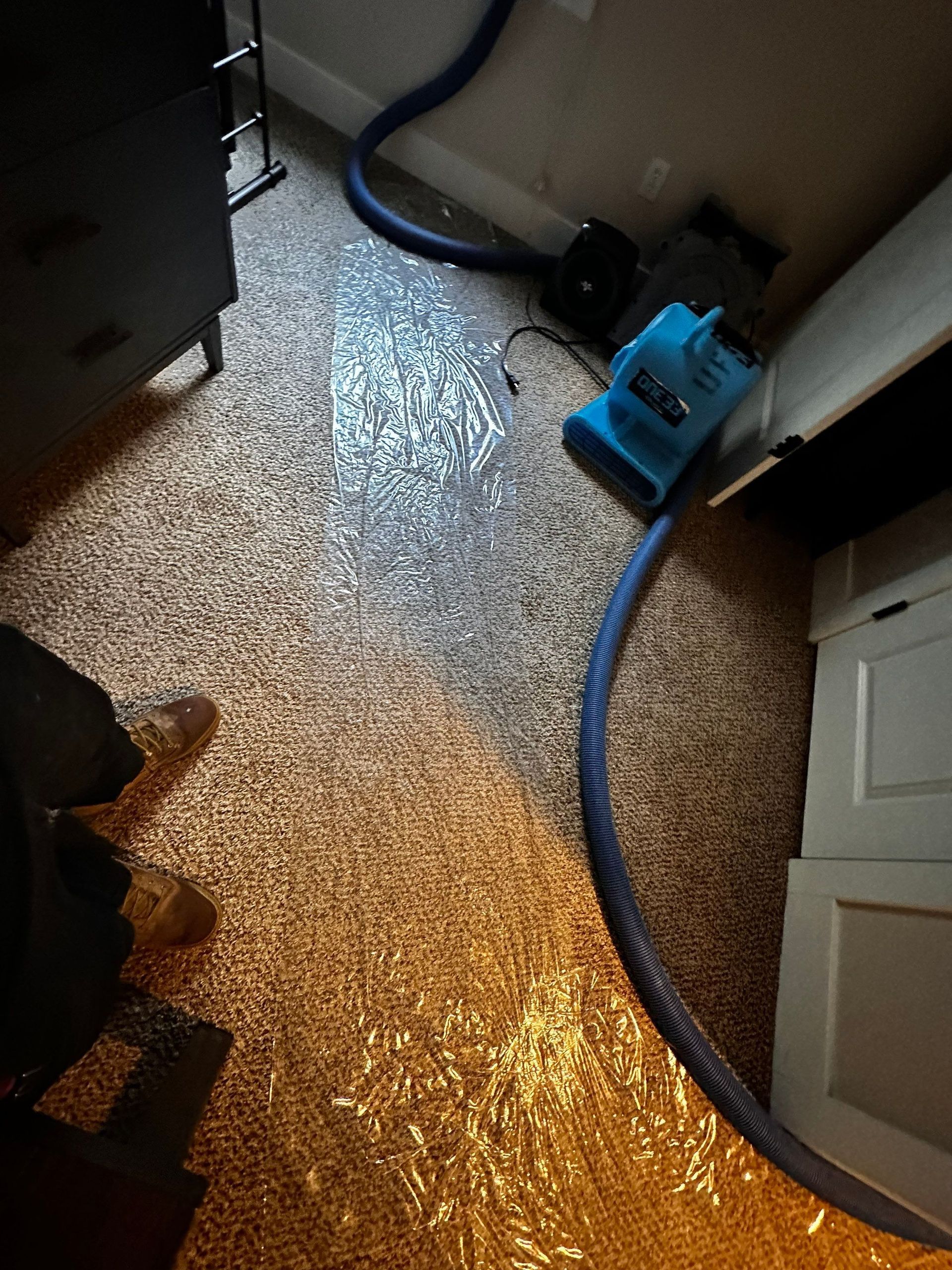
The process typically begins with emergency water extraction, where industrial-grade pumps and vacuums remove standing water as quickly as possible. This immediate response is your first line of defense against mold, because every hour that water remains dramatically increases mold risk.
Next comes structural drying, which involves sophisticated equipment like commercial dehumidifiers and air movers strategically placed to pull moisture from building materials. This phase isn't complete when surfaces feel dry to the touch—restoration professionals use moisture meters to verify that materials have returned to acceptable moisture levels deep within their structure. This thorough drying is essential mold prevention.
But here's where many homeowners get confused: even with rapid water removal and thorough drying, mold rmediation is often still necessary. Why? Because mold can establish itself so quickly that it's already present by the time restoration begins, especially if there was any delay in the cleanup process. Floodwater itself often contains mold spores, bacteria, and other contaminants that require specific remediation protocols.
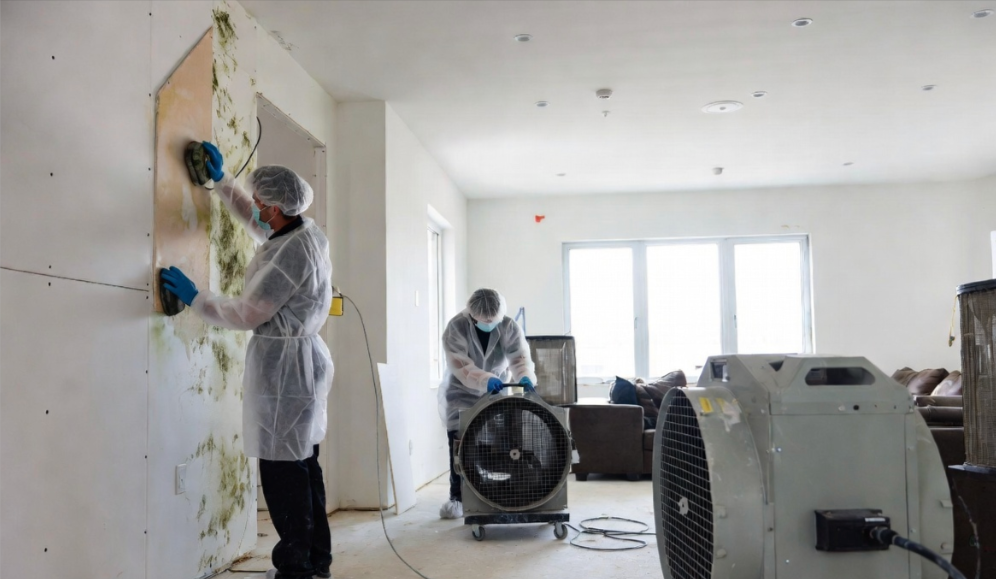
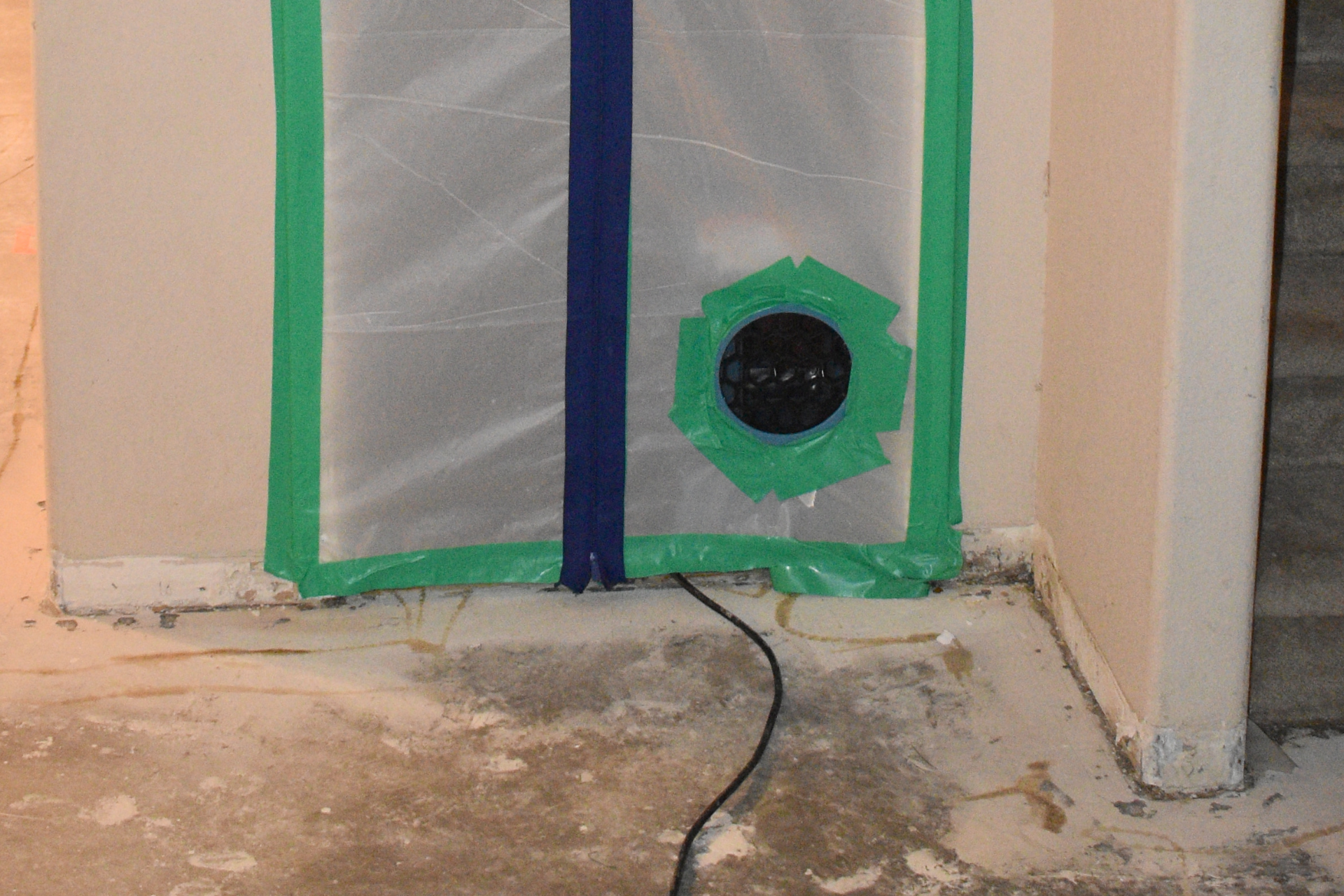
Professional mold removal during the restoration process involves several critical steps. Restoration technicians conduct thorough inspections using moisture meters and sometimes thermal imaging to identify all affected areas, including those not visible to the naked eye. They establish containment barriers to prevent mold spores from spreading to unaffected areas during the remediation process. HEPA filtration systems scrub the air continuously, capturing airborne spores. Contaminated materials that can’t be cleaned properly—like severely damaged drywall or insulation—are safely removed and disposed of according to environmental guidelines.
Surfaces that can be salvaged undergo specialized cleaning with antimicrobial solutions designed to kill mold and prevent regrowth. This isn't a simple wipe-down with bleach; it requires EPA-registered products applied according to specific protocols to ensure effectiveness without creating additional hazards.
The Certification Factor: Why It Matters for Mold Removal
Not all restoration companies are created equal when it comes to mold removal. This is where certifications and specialized training become critically important. Organizations like the Institute of Inspection, Cleaning and Restoration Certification (IICRC) set industry standards for both water damage restoration and mold remediation, and companies that hold these certifications have demonstrated their commitment to following best practices.
When checking whether a restoration company actually provides comprehensive services, ask about their certifications. Certified disaster services employ technicians trained in the latest protocols for both water extraction and microbial remediation. They understand the science behind mold growth, the health implications of different mold species, and the proper techniques for safe removal.
Here at Utah Flood Guys, we maintain these critical certifications because we recognize that cutting corners on mold isn't just unprofessional—it's potentially dangerous. Improper mold remediation can actually make the problem worse by disturbing colonies and releasing massive quantities of spores into the air without proper containment and filtration. This is why certified disaster services follow strict protocols that protect both the homeowner and the workers during the process.
When Mold Removal Becomes a Separate, Extensive Project
While most flood damage restoration includes mold removal as an integrated component, there are situations where the mold problem requires more extensive remediation as a standalone project. This typically happens when water damage wasn't addressed quickly, which allowed mold to establish widespread colonies. Fun, right?
If flooding occurred days or weeks before any restoration began, or if previous water damage wasn’t properly repaired, you might be dealing with extensive growth that requires a more aggressive approach. In these cases, the mold damage repair phase becomes more complex and time-consuming. Large areas of building materials may need removal, and the entire structure might require comprehensive treatment.
Even in these extreme situations, a qualified restoration company (generally) handles everything as part of their service scope. The difference is scale and timeline rather than whether mold removal is included. You shouldn't need to hire separate contractors—a truly comprehensive restoration company manages the entire process from initial water extraction through final mold clearance testing.
This integrated approach offers significant advantages. A single company managing both water damage and mold issues can coordinate the work more efficiently, maintain consistent containment protocols, and ensure that the drying process is thoroughly completed before reconstruction begins. It also simplifies communication and accountability—you have one team responsible for the entire restoration rather than multiple contractors potentially pointing fingers if problems arise.
What to Expect During the Mold Remediation Process
Knowing what happens during the mold removal process can help you recognize whether your restoration company is providing truly comprehensive service. The process should be systematic, thorough, and transparent.
Initial assessment is crucial. Technicians should conduct a detailed inspection, documenting all water damage and visible mold growth. Many companies also perform air quality testing to establish baseline contamination levels and identify hidden mold problems. This assessment drives the remediation plan and helps establish the project scope.
Containment comes next. Before any mold removal begins, the work area should be sealed off with polyethylene sheeting and equipped with negative air pressure systems. These machines create airflow that pulls air into the containment area rather than allowing it to escape, preventing mold spores from spreading to clean areas of your home.
The actual removal process varies depending on what's contaminated. Porous materials heavily affected by mold—like drywall, insulation, and carpeting—typically require removal because mold penetrates deeply into these materials and can’t be fully eliminated through cleaning alone. Non-porous surfaces like metal, glass, and hard plastics can usually be cleaned and sanitized effectively.
Throughout this process, HEPA filtration should run continuously, and workers should wear appropriate personal protective equipment. Removed materials should be bagged in sealed containers before transport through your home to prevent spore dispersal.
After physical mold removal, the space undergoes antimicrobial treatment and is retested to verify that contamination has been successfully eliminated. Only then should reconstruction (if necessary) begin. This verification step is essential—without it, you have no assurance that your mold problem has actually been solved.
Choosing a Restoration Company That Truly Handles Everything
When picking a flood damage restoration company, the key question isn't whether they offer mold removal, but rather how comprehensive and professional their approach is. Here's what to look for.
Ask specifically about their mold remediation capabilities and certifications. Companies should readily provide information about their IICRC certifications and training. If they hesitate or suggest you'll need to hire a separate mold specialist, that's a red flag indicating they may not have the expertise to handle the job properly.
Inquire about their process. A quality restoration company should be able to walk you through their protocol step-by-step, from initial assessment through final clearance testing. They should discuss containment procedures, air filtration methods, and verification testing without you having to prompt them about these details.
Request references from previous clients who experienced flood damage with mold complications. Understanding how the company handled real-world scenarios similar to yours provides valuable information into their capabilities and professionalism. Verify their insurance coverage. Proper restoration work requires specialized liability insurance that covers both water damage restoration and mold remediation. This protects you if problems happen during or after the actual work.
At Utah Flood Guys, we've built our reputation on providing truly comprehensive certified disaster services that address every aspect of flood recovery, including thorough mold removal. We don't separate water damage restoration from mold remediation because they're intrinsically connected challenges that demand an integrated solution. When you call us after any flooding, you're getting a complete restoration process that won't leave you vulnerable to mold-related issues or property damage down the road.
The bottom line is this: legitimate flood damage restoration services absolutely should include mold removal as a standard. Mold is a predictable consequence of water damage, and any restoration company that doesn't address it comprehensively isn't truly restoring your property to a safe, healthy condition. When choosing who will handle your flood recovery, make sure you're selecting a partner who understands that complete restoration means addressing both the water you can see and the mold you often can't. Choose Utah Flood Guys.
You might also like
Utah Flood Guys Blog