The Science Behind Structural Drying: How Often Does Flooding Occur in Utah?
When most people think of Utah, they picture red rock canyons and ski slopes—not water damage. But flooding occurs more frequently here than many new residents expect, and our unique climate creates specific challenges for proper water damage restoration. Understanding the science behind structural drying in Utah's environment can mean the difference between a home that's truly restored and one hiding moisture problems beneath a deceptively dry surface.
Whether you're dealing with a burst pipe, flash flooding, or basement seepage from snowmelt, the drying process is far more complex than pointing fans at wet carpet. Utah Flood Guys has mastered the interplay between our state's low humidity, high elevation, and temperature swings to deliver water damage services that work for our climate. Let's explore why proper structural drying matters and what makes Utah different.
What Makes Structural Drying Different From Just "Drying Out"
There's a common misconception that water damage restoration is simply about removing standing water and waiting. Structural drying is actually a precise science involving three critical factors: temperature, airflow, and humidity. When properly managed, moisture migrates from saturated materials into the air, where it can be removed through ventilation or dehumidification.
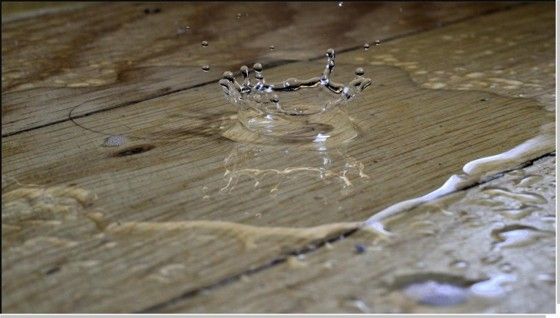
Think of wringing out a sponge versus letting it air dry completely. Building materials work the same way. Drywall, wood framing, insulation, and subflooring absorb water at different rates and release it even more slowly. A water-damaged wood floor might look dry within 48 hours, but the subfloor beneath could still be holding moisture.
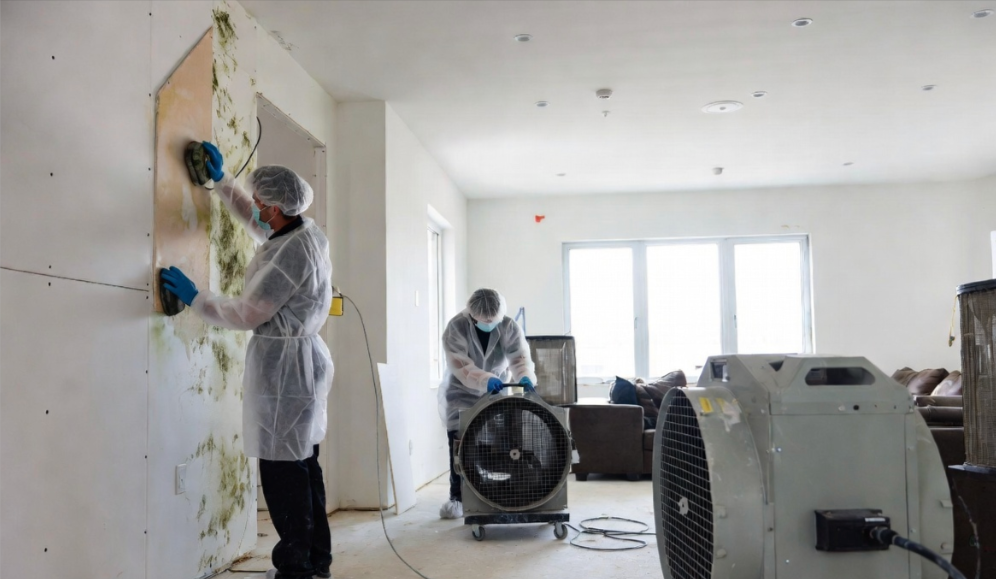
The danger extends far beyond warped floors. Trapped moisture creates perfect conditions for mold growth within 24-48 hours of water exposure. Even in Utah's dry climate, mold needs only organic material, moisture, and time. Prolonged moisture exposure also weakens structural components and can lead to rot requiring far more expensive repairs than the original flood damage repair.
Professional water damage services use specialized equipment and industry standards to measure moisture content throughout the process. Until moisture readings return to acceptable levels—not just "feels dry"—the job isn't done.
How Often Does Flooding Occur in Utah—And Why Our Dry Climate Is Both Blessing and Curse
How often does flooding occur in a state known for desert landscapes? More than you'd think. Utah experiences several flooding events throughout the year, and understanding these patterns helps homeowners prepare. Spring brings rapid snowmelt flooding near mountain watersheds. Summer monsoon season (July through September) produces flash flooding in urban and rural areas. Fall and winter contribute through rain-on-snow events and frozen pipe bursts.
The Wasatch Front experiences flash flood warnings multiple times per year, while riverine flooding affects communities during peak runoff. Add everyday events—burst washing machine hoses, water heater failures, roof leaks—and the need for water damage restoration becomes surprisingly common.
Utah's climate is both advantage and challenge. Our average relative humidity hovers between 30-40%, significantly lower than the national average of 50-60%. Low humidity means faster evaporation, which sounds great for drying a flooded basement. The problem is that rapid surface drying creates false security. Homeowners see dry carpet in two days and assume everything is fine, not realizing the pad, tack strips, and subfloor remain saturated.
High elevation compounds these effects. Most populated areas sit at 5,000 feet or higher, where atmospheric pressure is lower. Temperature extremes add complexity—we swing from below-freezing winter nights to 100-degree summer afternoons, affecting how quickly materials release moisture and how effectively equipment operates.
The "dry climate misconception" is one of the biggest obstacles professionals face. People assume water damage isn't serious here because we're not Florida. But physics doesn't care about zip code. Water absorbed into drywall needs somewhere to go, and without proper extraction and controlled drying, it will cause problems.
Why Professional Water Damage Services Matter in Low-Humidity Climates
Utah's low humidity aids surface evaporation but can mask serious moisture problems inside walls, beneath flooring, and within insulation. This is where professional water damage services become essential. Restoration technicians use thermal imaging cameras to identify temperature differences indicating trapped moisture, even when surfaces feel dry. Moisture meters provide precise readings at various depths, revealing what your hand can't detect.
Consider a typical scenario: a water-damaged wood floor in a Utah home. After 48 hours with fans running, the hardwood feels dry. The homeowner puts the fans away. Three weeks later, they notice cupping along the floorboards—moisture was still present beneath the surface, causing uneven expansion. Now what could have been prevented requires floor replacement.
Drywall presents an even trickier challenge. The paper facing dries quickly in Utah's climate, but the gypsum core retains moisture for days or weeks. Insulation behind that drywall holds water against studs, creating an environment where mold thrives despite the desert air outside. By the time visible signs appear, the problem has often spread far beyond the original damage area.
Professional water damage services employ systematic approaches accounting for these hidden reservoirs. Utah Flood Guys uses commercial-grade detection equipment to map the full saturation extent, not just obvious wet spots. We establish drying goals based on industry standards and material-specific moisture levels, then monitor daily until those goals are met.
The peace of mind from professional flood damage repair extends beyond the immediate crisis. Proper documentation—moisture readings, photos, equipment logs—becomes crucial for insurance claims and protects your long-term investment by ensuring structural integrity isn't compromised by undetected moisture damage.
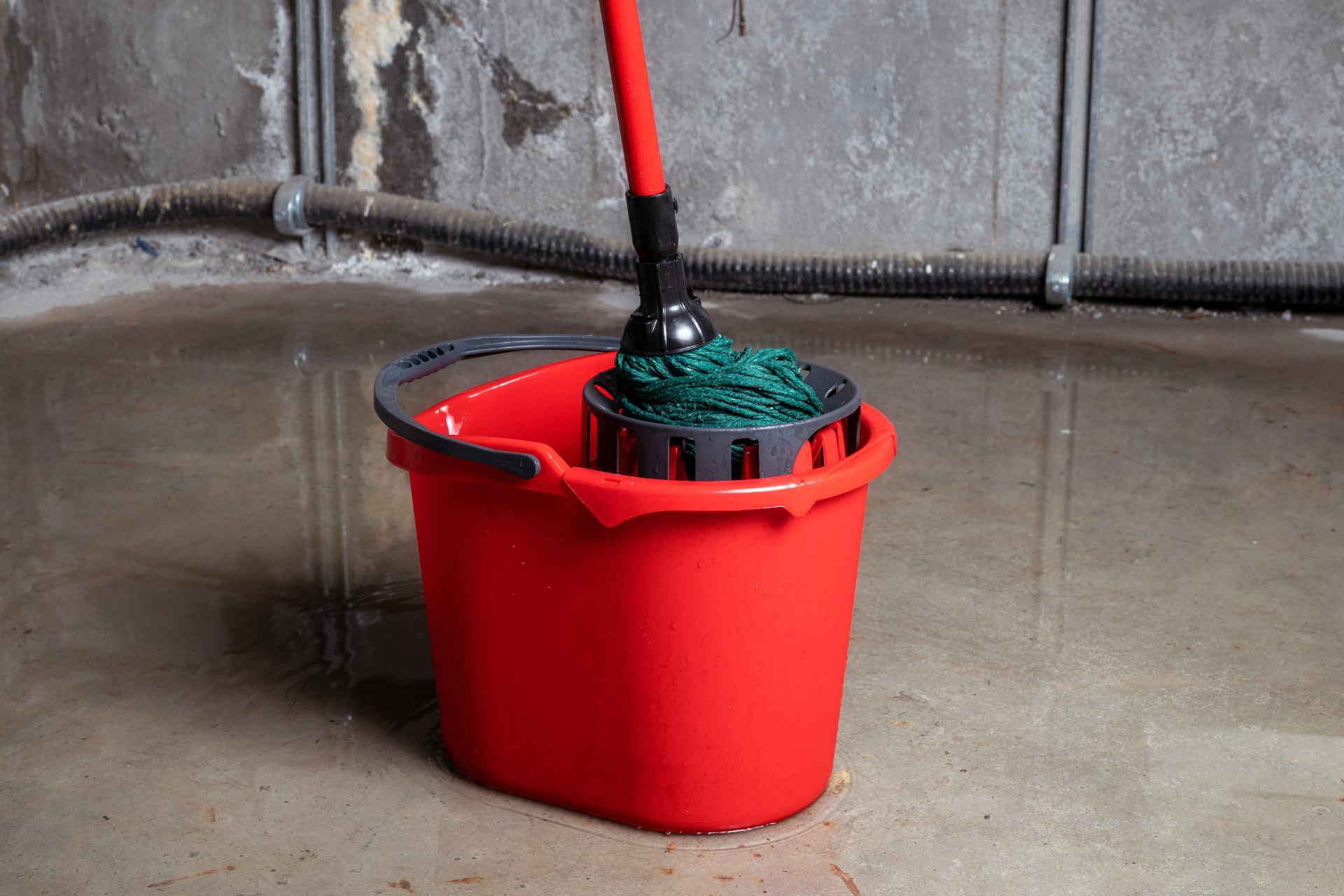
Tailoring Structural Drying Equipment to Utah's Environment
Walk into any hardware store and you'll find fans, space heaters, and consumer-grade dehumidifiers marketed for water damage. While these have their place, they're not designed for the controlled structural drying that professional services require. Understanding why professional equipment makes such a difference—especially in Utah's climate—explains why cutting corners rarely saves money.
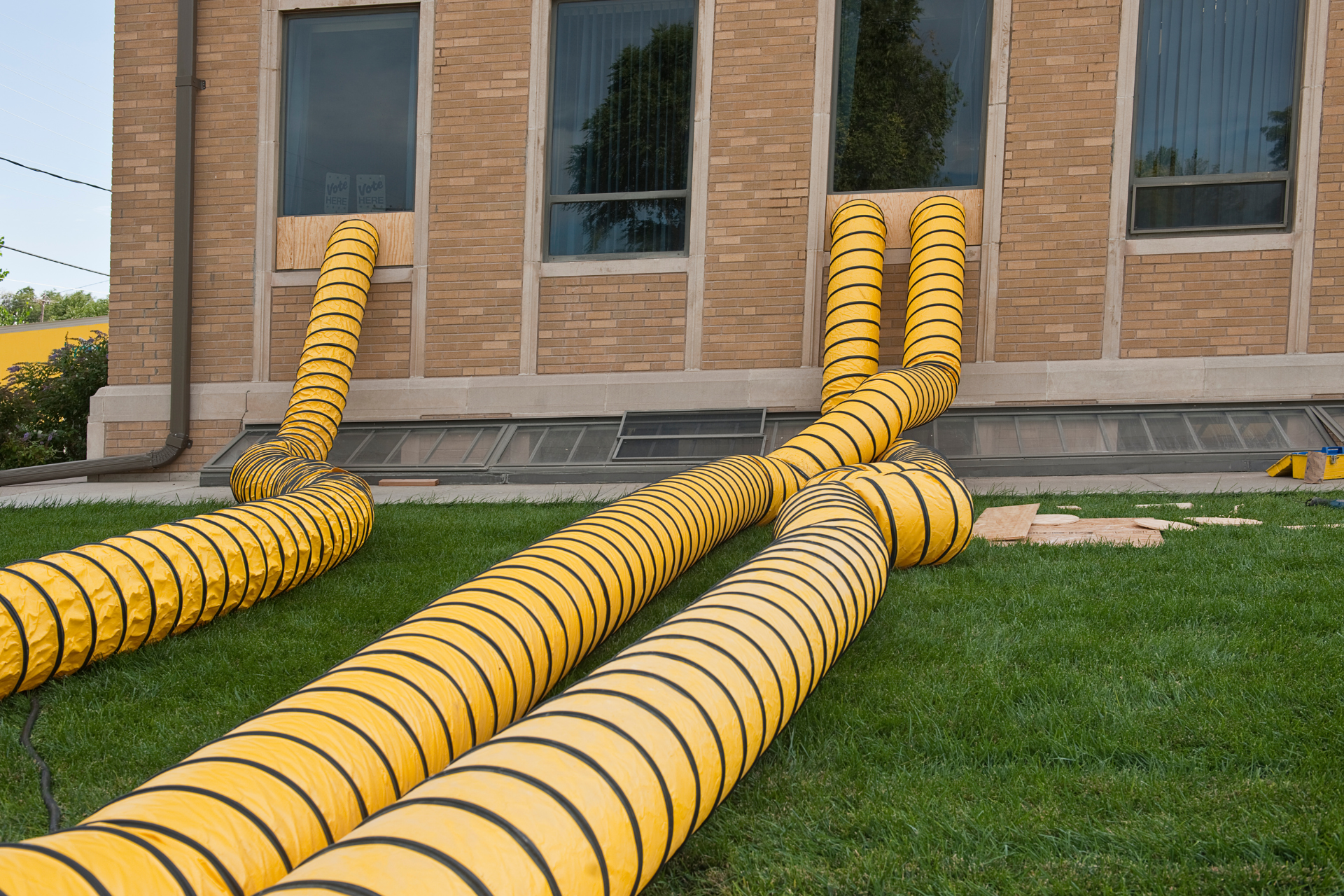
Commercial air movers create specific airflow patterns across surfaces and through rooms. Unlike box fans, professional air movers establish circulation that promotes evaporation while moving moisture-laden air away for dehumidifier processing. Positioning and quantity are calculated based on affected area size, materials involved, and ambient conditions. In Utah, we can sometimes use ventilation to assist the drying process—but only when conditions are right.
Dehumidifiers remain essential even in our desert climate, particularly in basements or when working with slow-releasing materials. Professional-grade units remove significantly more moisture per day than consumer models and operate efficiently across temperature ranges. This matters in Utah, where a flooded basement in January might be 45 degrees while a flooded main floor in July could be 85 degrees.
Temperature control plays a crucial role. Warmer air holds more moisture, so maintaining optimal temperatures (typically 70-80 degrees) accelerates drying. However, this needs balancing against energy costs and homeowner comfort. Utah's extreme swings mean summer approaches differ from winter ones, and experienced water damage restoration technicians adjust seasonally.
Proper equipment placement matters tremendously. A basement flood requires different setup than main-floor water damage from the same volume. Basements need more aggressive dehumidification. Main floors might benefit from controlled ventilation combined with air movement. Each situation demands assessment, not one-size-fits-all approaches.
Industry standards from organizations like the IICRC provide equipment guidelines, but applying those to Utah's conditions requires experience and local knowledge. It's not just having the right equipment; it's knowing how to use it effectively where outdoor humidity might be 25% while you're drying a structure releasing moisture into the air.
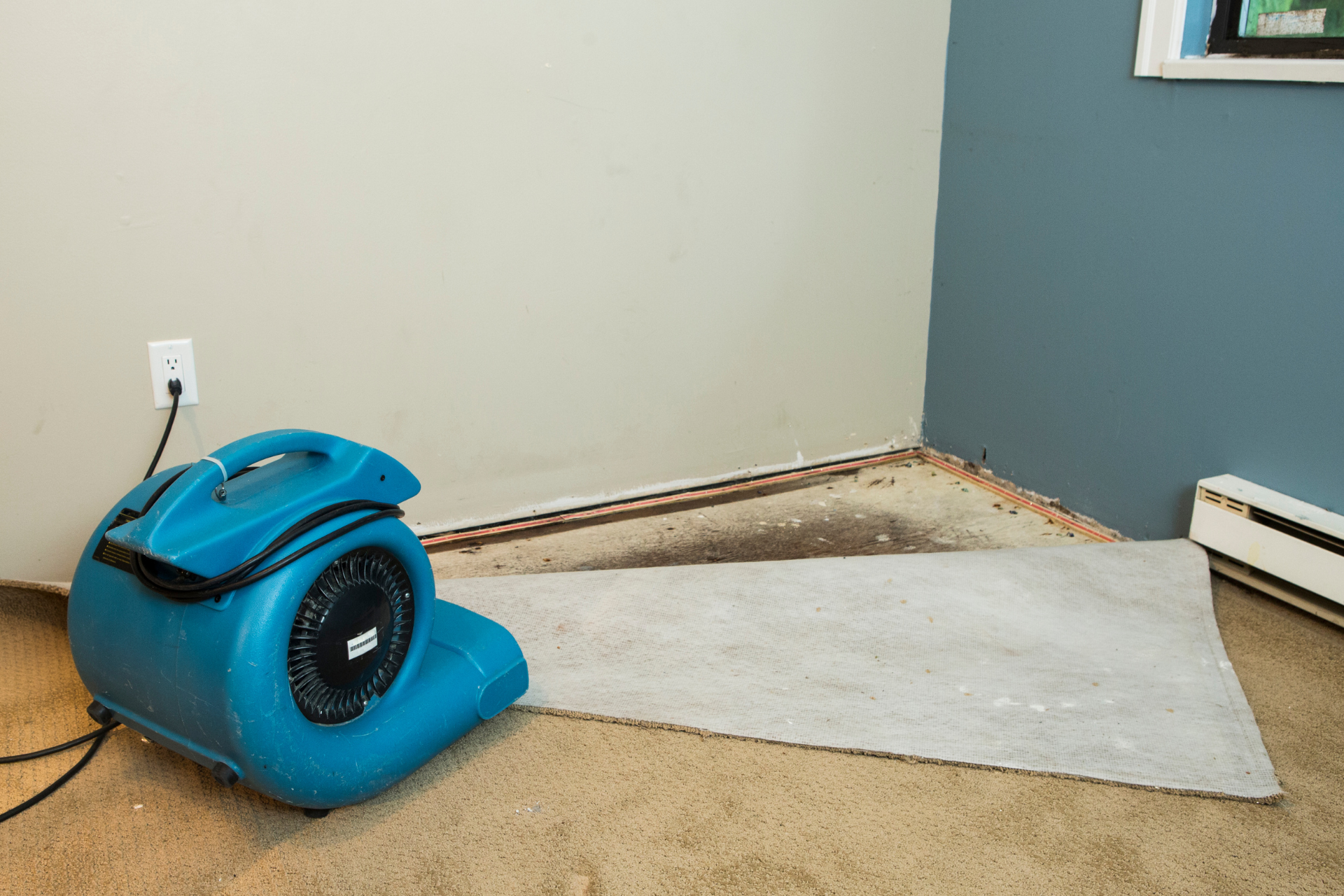
How Long Does Proper Structural Drying Take in Utah?
One of the most common questions during flood damage repair is, "How long until my house is back to normal?" The honest answer: it depends. Even with Utah's dry climate, proper structural drying typically takes three to seven days from the start of professional water damage services. That range reflects the reality that every event is unique.
Several factors influence timeline. Saturation extent is most obvious—a 20-minute burst pipe affects less material than an overnight basement flood. Specific materials matter too. A water-damaged wood floor might reach acceptable moisture levels in four days, while the subfloor needs six. Drywall dries faster than insulation behind it. Concrete takes longer than nearly anything else.
Outdoor weather plays an overlooked role. How often does flooding occur correlates with weather patterns that also affect indoor drying. A flood during Utah's humid monsoon season takes longer to dry than the same event during our dry fall. Understanding these seasonal variations helps set realistic expectations. Day-night temperature swings can either help or hinder depending on management.
Here's the uncomfortable truth: rushing the process almost always costs more long-term. Homeowners eager for normalcy might declare victory when surfaces feel dry, but that's when real problems begin. Incomplete drying leads to mold requiring expensive remediation. Structural damage from long-term moisture exposure—rotted framing, compromised subflooring, damaged electrical—can run into tens of thousands.
What should you expect? First, you'll hear equipment running 24/7. Air movers and dehumidifiers need continuous operation, and yes, they're loud. Technicians will visit regularly (usually daily) to take readings, adjust equipment, and monitor progress. Your electricity bill goes up slightly. These are all signs the process is working.
Utah Flood Guys prioritizes doing the job right over doing it fast. We establish baseline moisture readings, set target levels based on material type and standards, and don't consider the job complete until every measurement confirms structural drying is finished. That might mean five days instead of three, but it means your home is actually restored, not just superficially dry.
Trust the Science, Trust the Process
Utah's climate is remarkable—low humidity, high elevation, dramatic temperatures, and varied weather patterns. These same characteristics that make our state beautiful also make water damage restoration a specialized field requiring more than generic approaches from other regions. Understanding how often flooding occurs here and why our environment demands tailored solutions helps homeowners make informed decisions when disaster strikes.
The science behind structural drying isn't mysterious, but it is precise. It requires proper equipment, trained technicians who understand material-climate interactions, and patience to let the process complete. When facing water damage—from flooding, plumbing failures, or any source—choosing professional water damage services isn't just about convenience. It's about ensuring the job is done right the first time, protecting your home's structural integrity and your family's health.
The next time someone says water damage isn't a big deal in Utah because it's so dry, you'll know better. You'll understand that rapid surface drying can hide serious problems, that professional flood damage repair involves science and measurement rather than guesswork, and that cutting corners on drying is one of the costliest mistakes a homeowner can make. Whether you're wondering how often does flooding occur in your specific area or already dealing with water damage, the principles remain the same.
Utah Flood Guys combines local expertise with industry-leading water damage restoration practices to deliver results that stand up to our unique climate. Because in a state where flooding happens more often than people expect and where dry surfaces can hide wet structures, doing the job right matters more than doing it fast.
You might also like
Utah Flood Guys Blog