Fire Damage Restoration: What to Expect and How to Prepare
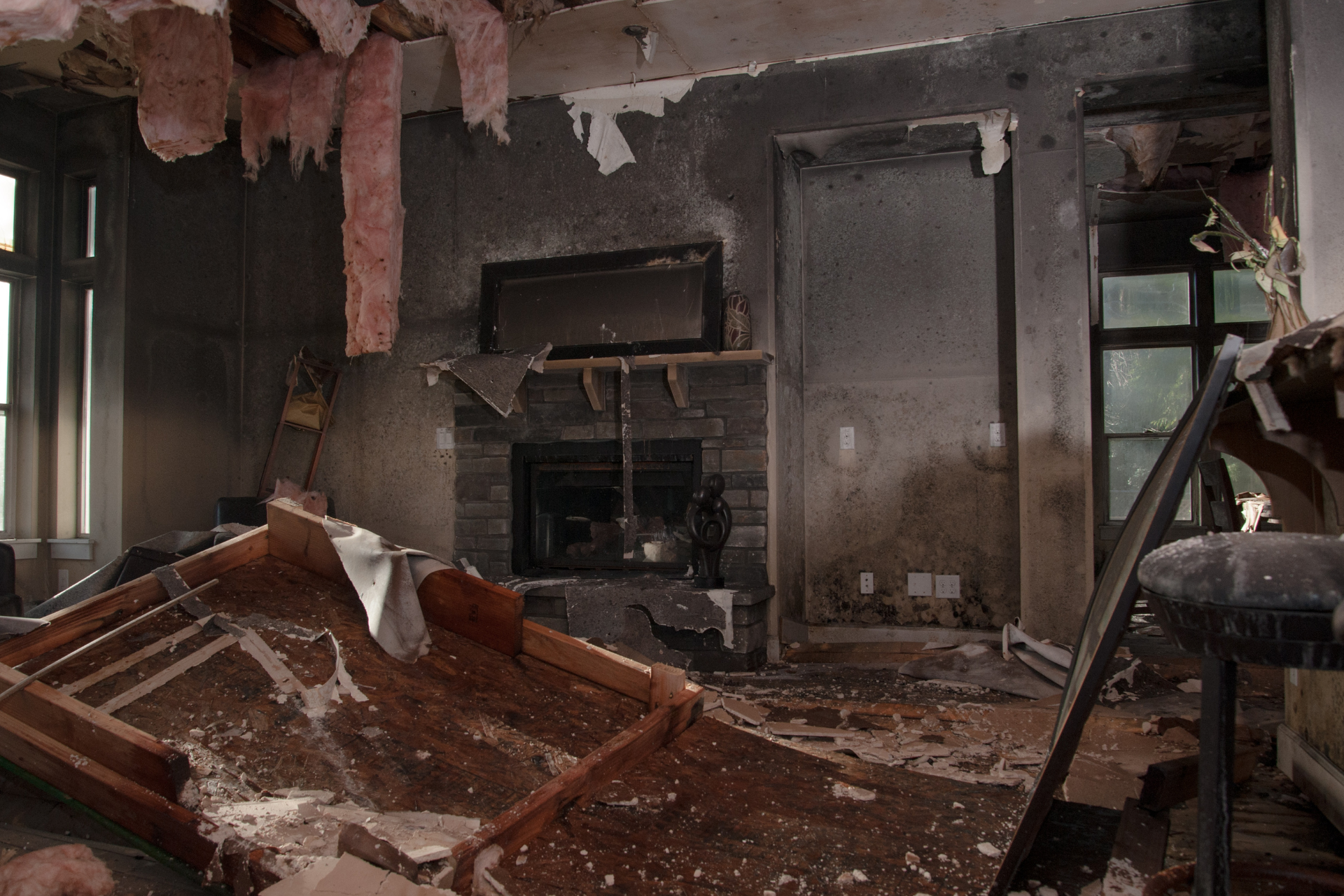
At Utah Flood Guys, we understand the devastation and chaos that a fire can leave behind in your home or business. When experiencing a fire, one of the main concerns is the safety of everyone involved. Once the flames are extinguished, the next step is fire damage restoration. In this blog post, we will guide you through what to expect during the fire damage restoration process and offer tips on how to prepare for the restoration professionals' arrival.
Assessment and Inspection
The first step in the fire damage restoration process is a thorough assessment and inspection of the affected areas. Our team will evaluate the extent of the damage, including structural issues, smoke residue, and water damage from firefighting efforts. This step is crucial in developing a customized restoration plan tailored to your specific situation.
Safety First
Before the restoration process begins, ensure that the property is safe to enter. Fire can weaken the structure of a building, making it hazardous to navigate. It is important to wait for the professionals to give the green light before re-entering the premises. Additionally, wearing protective gear such as masks and gloves is highly recommended to avoid exposure to harmful substances left behind by the fire.
Document Damage for Insurance
Taking inventory of the damage is essential for insurance purposes. Document the affected areas, items, and personal belongings that have been damaged by the fire. This documentation will help speed up the insurance claims process and ensure that you receive proper compensation for your losses.
Cleaning, Deodorizing, and Restoration
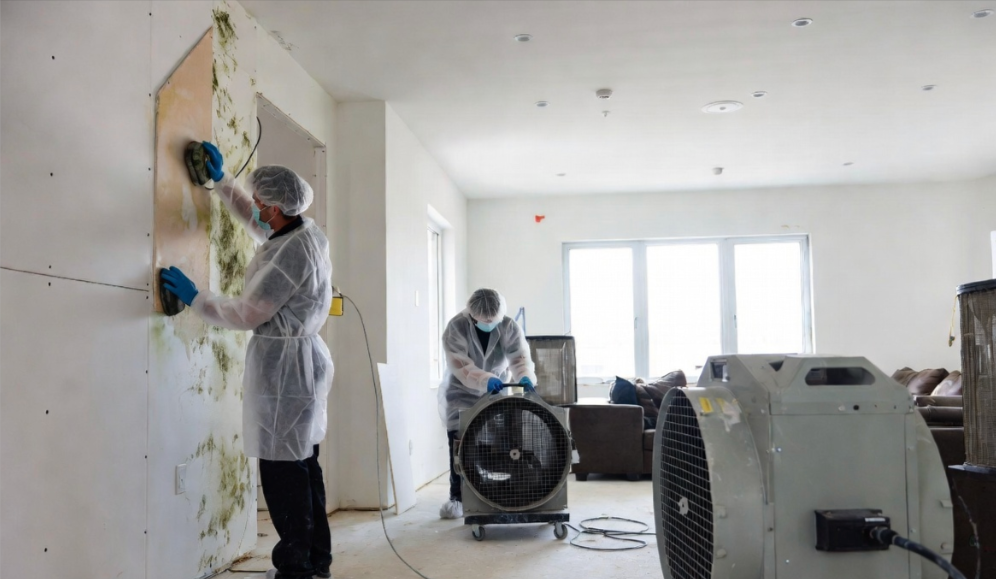
Once the assessment is complete, the restoration process can begin. Our team will clean, deodorize, and restore your property to its pre-fire condition. This involves removing smoke residue, soot, and charred materials, as well as addressing water damage caused by firefighting efforts. Specialized equipment and techniques are used to eliminate odors and restore air quality.
Temporary Protection
During the restoration process, temporary protection may be required to prevent further damage to the property. This can include board-up services for windows and doors, tarping for damaged roofs, and securing the property to keep out intruders and the elements.
Prepare for the Restoration Professionals' Arrival
To ensure a smooth restoration process, there are a few things you can do to prepare for the professionals' arrival:
1. Notify your insurance company and start the claims process as soon as possible.
2. Make a list of damaged items for insurance purposes.
3. Remove valuable items from the property if it is safe to do so.
4. Provide the restoration team with any relevant information about the property and its history.
5. Make arrangements for temporary housing if necessary.
Final Thoughts
Experiencing a fire can be a traumatic and overwhelming event. However, with the help of experienced professionals like Utah Flood Guys, you can restore your property and move forward with peace of mind. By understanding what to expect during the fire damage restoration process and preparing accordingly, you can expedite the restoration efforts and minimize further damage to your property.
If you have experienced a fire and require fire damage restoration services, don't hesitate to contact Utah Flood Guys. Our team of experts is ready to help you through the restoration process and restore your property to its former glory. Stay safe, stay prepared, and let us handle the rest.
You might also like
Utah Flood Guys Blog