The Best Ways to Protect Your Home from Flood Damage
Utah Flood Guys is here to provide you with expert advice on how to keep your home safe from flood damage. Floods can be unpredictable and devastating, but with a few preventative measures, you can significantly reduce the risk of water damage to your property. In this blog post, we'll cover some of the best ways to protect your home from flood damage and give you peace of mind during any severe weather event.
1. Maintain Your Gutters and Downspouts
Properly functioning gutters and downspouts are essential in directing rainwater away from your home. Make sure to clean your gutters regularly to prevent clogging, which can lead to overflowing water during heavy rainfall. Check for any leaks or loose sections and repair them promptly. Additionally, consider installing gutter guards to help keep debris out and ensure proper drainage away from your home's foundation.
2. Invest in a Sump Pump
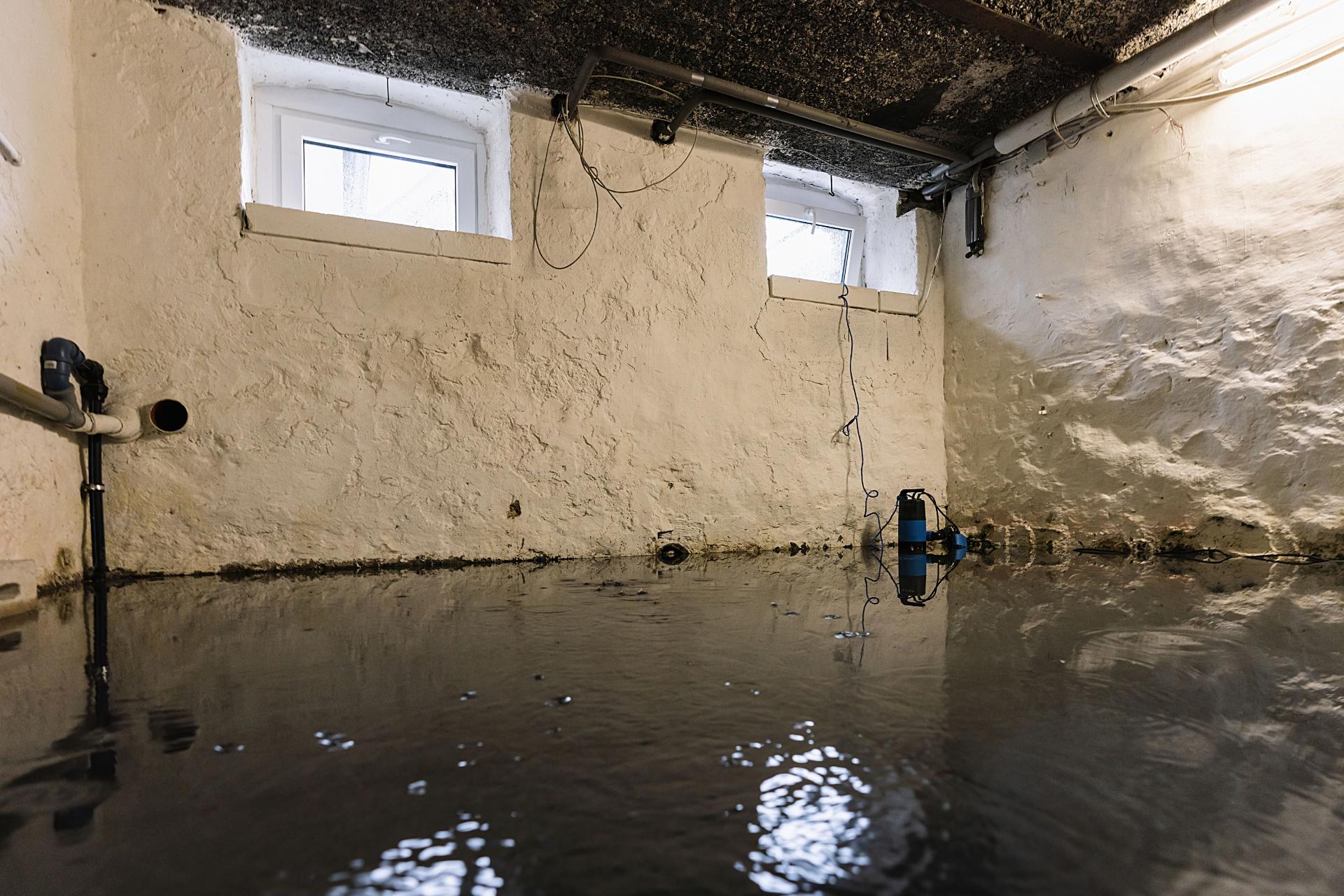
A sump pump is a key tool in preventing basement flooding. It is designed to pump out excess water that collects in the sump pit, effectively keeping your basement dry. Ensure your sump pump is in good working condition by testing it regularly and having a backup power source in case of a power outage. Utah Flood Guys can help you with sump pump installation and maintenance to provide you with added protection against flood damage.
3. Seal Gaps and Cracks
Water can seep into your home through small gaps and cracks in the foundation, windows, and doors. Inspect your home for any openings and seal them with caulk or weatherstripping to prevent water infiltration. This simple step can help keep water out and save you from costly repairs in the future.
4. Elevate Appliances and Electrical Systems
To protect your appliances and electrical systems from flood damage, consider elevating them off the ground. This can prevent water from reaching these vital components and reduce the risk of electrical hazards during a flood. Move your washer, dryer, water heater, and electrical panels to higher ground to keep them safe from water damage.
5. Landscape with Flood-Resistant Plants
When planning your landscaping, choose flood-resistant plants and materials that can help absorb excess water and reduce erosion. Consider creating swales or rain gardens to direct water away from your home and into designated drainage areas. Proper landscaping can be a natural defense against flooding and enhance the overall aesthetic of your property.
6. Stay Informed and Prepared
In the event of a flood warning, stay informed through local weather alerts and news updates. Have an emergency plan in place that includes evacuation routes, emergency supplies, and important documents. Keep valuable items stored in waterproof containers and make sure your insurance coverage includes flood protection to safeguard your home and belongings.
Utah Flood Guys is your trusted partner in disaster cleanup and restoration services. Our team of experts is ready to assist you with water damage mitigation, mold removal, and fire damage restoration to restore your property to its pre-loss condition. Contact us today for a free consultation and learn more about how we can help you protect your home from flood damage.
Remember, preparation is key when it comes to safeguarding your home from potential disasters. By following these best practices and partnering with Utah Flood Guys, you can be proactive in protecting your property and ensuring the safety of your family. Stay safe and stay prepared!
You might also like
Utah Flood Guys Blog