Steps to Take Immediately After Water Damage Occurs
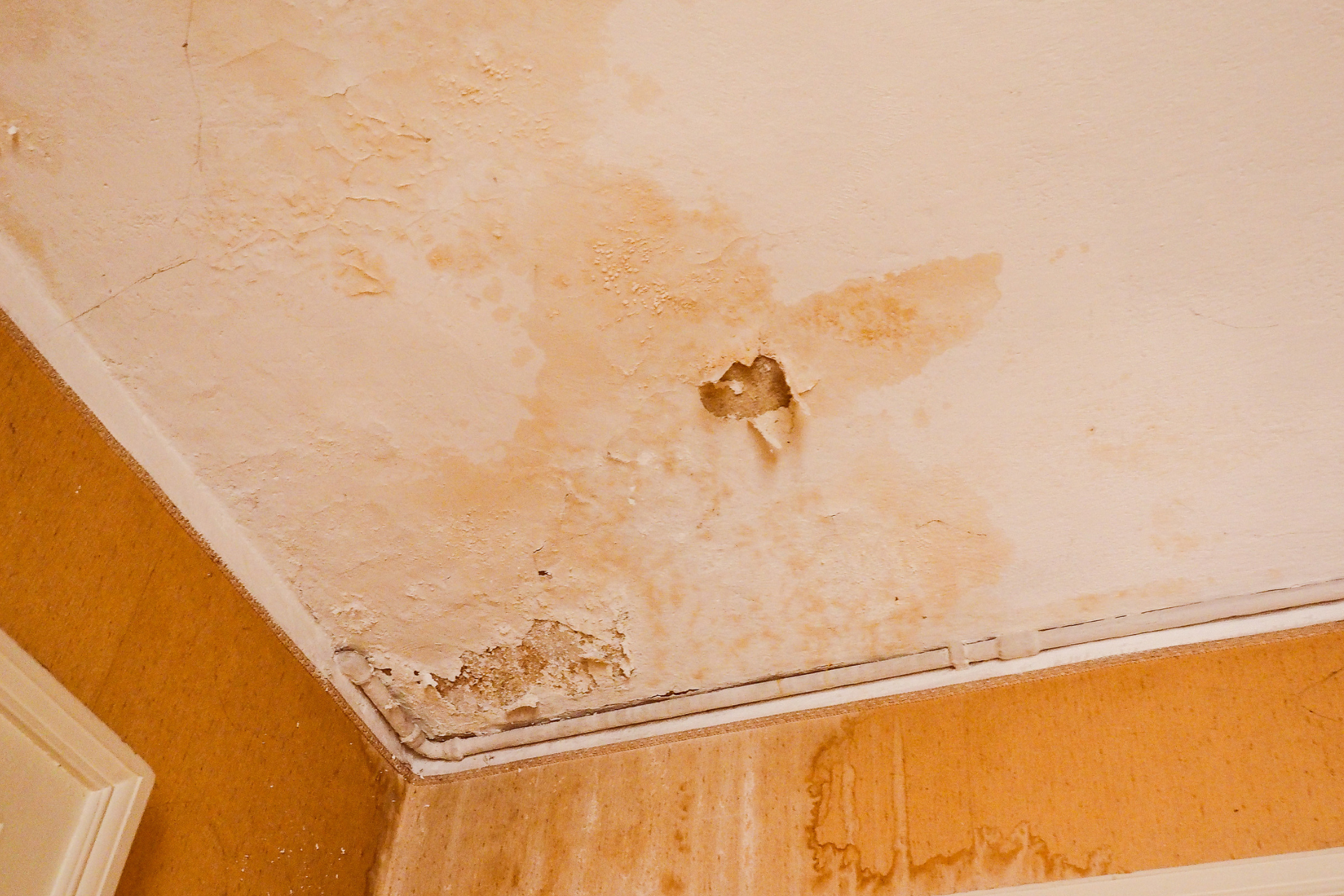
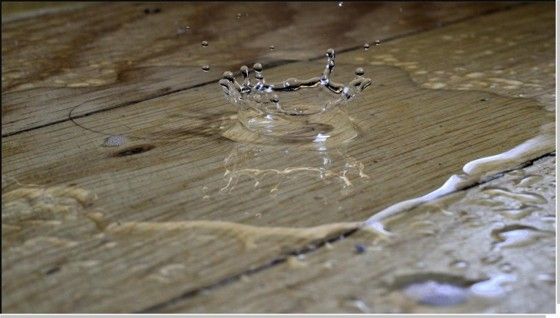
Water damage can occur suddenly and unexpectedly, whether due to a burst pipe, a leaking roof, a malfunctioning appliance, or a natural disaster. When faced with water damage in your home or business, it's crucial to act quickly to minimize the extent of the damage and prevent further issues down the line. As the trusted experts in disaster cleanup, Utah Flood Guys are here to guide you on the immediate steps to take after water damage occurs.
1. Ensure Safety First
The first and most important step is to ensure the safety of yourself and others on the property. Before entering the affected area, be cautious of electrical hazards or structural damage that may pose a risk. If there is any doubt about safety, it's best to evacuate the premises and call in professionals to assess the situation.
2. Stop the Water Source
If the water damage is caused by a burst pipe, leaky appliance, or any other plumbing issue, you must immediately stop the water source. Locate the main water shut-off valve in your home or building and turn it off to prevent further flooding.
3. Remove Excess Water
Time is of the essence when dealing with water damage, so the next step is to remove as much standing water as possible. Use a wet/dry vacuum, mops, towels, or buckets to extract the water and dry out the affected areas.
4. Salvage Important Items
If safe to do so, salvage any valuable or important items from the water-damaged area. Move furniture, electronics, documents, and other possessions to a dry place to prevent further damage.
5. Open Windows and Use Fans
Proper ventilation is key to drying out water-damaged areas effectively. Open windows to allow fresh air to circulate and use fans to promote air flow and speed up the drying process.
6. Call Utah Flood Guys
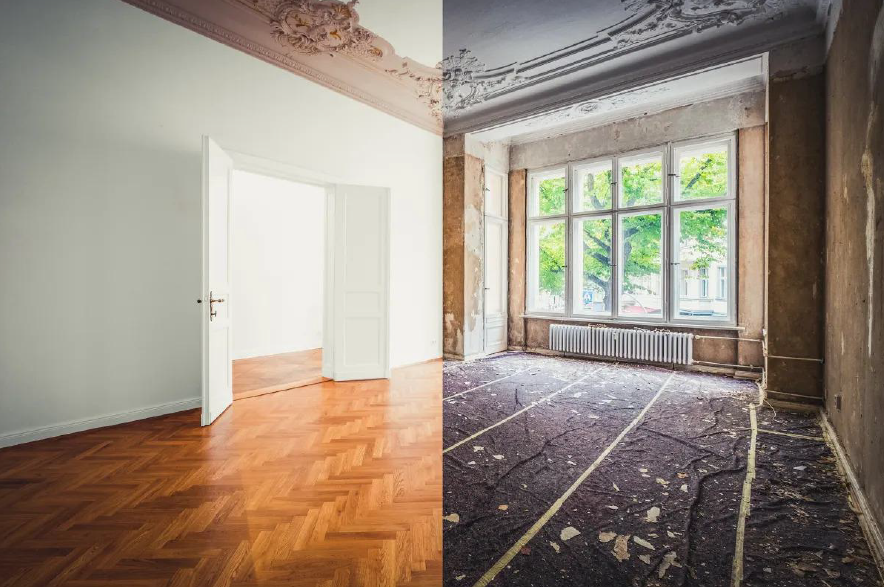
After taking these initial steps, it's essential to contact Utah Flood Guys, your trusted disaster cleanup experts in Utah. Our team of professionals is available 24/7 to provide emergency water damage restoration services for residential and commercial properties. We have the expertise and equipment to quickly assess the situation, extract water, dehumidify the area, and restore your property to its pre-damage condition.
7. Document the Damage
Before beginning the restoration process, document the extent of the water damage by taking photos or videos. This documentation will be valuable for insurance purposes and can help expedite the claims process.
8. File an Insurance Claim
Contact your insurance provider as soon as possible to report the water damage and file a claim. Utah Flood Guys can assist you in navigating the insurance process and provide detailed documentation to support your claim.
9. Prevent Mold Growth
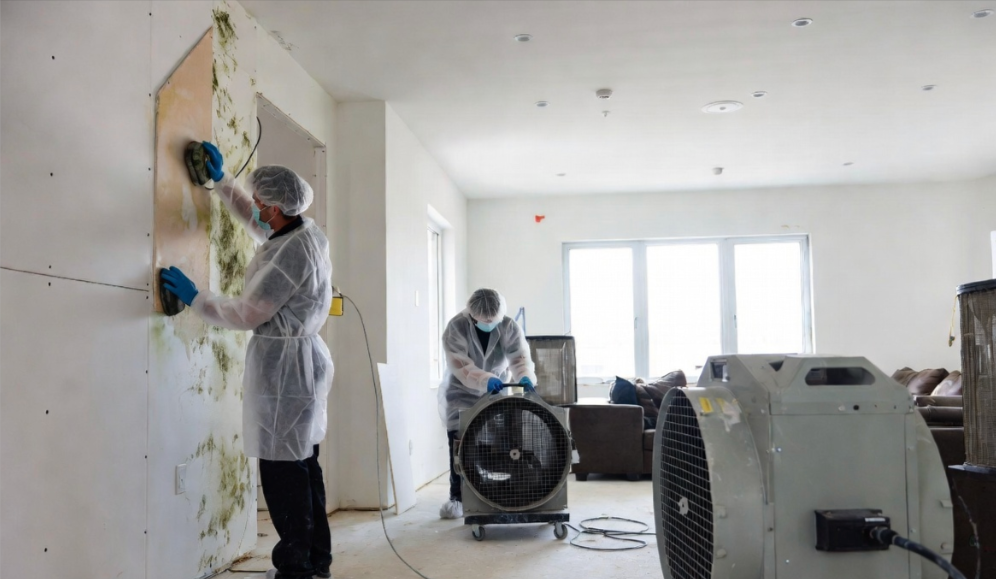
Water damage can quickly lead to mold growth if not properly addressed. Utah Flood Guys offer professional mold removal services to prevent mold infestations and ensure a safe and healthy environment for your home or business.
10. Stay Informed and Prepared
Water damage can be a stressful and overwhelming experience, but knowing the right steps to take can make a significant difference in the outcome. Stay informed about disaster preparedness and have a plan in place for emergencies to mitigate the impact of water damage.
In conclusion, taking immediate action after water damage occurs is vital to minimizing the overall damage and restoring your property back to its pre-damage condition. With Utah Flood Guys by your side, you can trust that your water damage restoration needs will be handled promptly and efficiently. Don't hesitate to reach out to us for reliable disaster cleanup services in Utah.
You might also like
Utah Flood Guys Blog