Restoring Electronics After Water Damage: Tips for salvaging electronics
Hey there, tech-savvy readers! We all know the sinking feeling that comes with dropping our most cherished electronic devices into water. Whether it's a smartphone, tablet, laptop, or other gadgets, water damage can quickly turn our beloved gear into mere paperweights. But fear not! At Utah Flood Guys, we've got your back when it comes to salvaging electronics after water damage. In this blog post, we'll share some tips and tricks to help you restore your devices to their former glory.
Understanding the Damage
First things first, when dealing with water-damaged electronics, it's important to understand the extent of the damage. Water can cause a short circuit, corrosion, or other irreparable harm to the components of your devices. The quicker you act, the better chance you have of saving your gadgets.
Safety First
Before attempting to salvage a water-damaged device, make sure to prioritize your safety. Unplug the device from any power source and avoid pressing any buttons. If the device has a removable battery, take it out immediately. Do not attempt to turn on the device to check if it's working, as this can cause further damage.
Drying Techniques
When it comes to drying out water-damaged electronics, there are a few methods you can try:
1. Rice
Placing your device in a bag of uncooked rice can help absorb the moisture. Leave it in the rice for at least 24-48 hours.
2. Silica gel packets
These little packets, often found in shoeboxes or new electronics packaging, are excellent for absorbing moisture. Place your device in a sealed container with silica gel packets for optimal results.
3. Air drying
If the weather permits, you can try air-drying your device by placing it near a fan or in a dry, warm spot. Just make sure not to expose it to direct sunlight or heat sources.
Avoid Common Mistakes
There are a few common mistakes people make when trying to salvage water-damaged electronics. Avoid these pitfalls to increase your chances of successful restoration:
1. Do not use a hairdryer
While it may be tempting to speed up the drying process with a hairdryer, the heat can cause further damage to the internal components of your device.
2. Avoid shaking the device
Shaking the device can spread water and debris further inside, potentially causing more harm.
3. Do not freeze the device
Contrary to popular belief, freezing a water-damaged device will not help in drying it out. In fact, it can lead to condensation inside the device, exacerbating the damage.
Consult a Professional
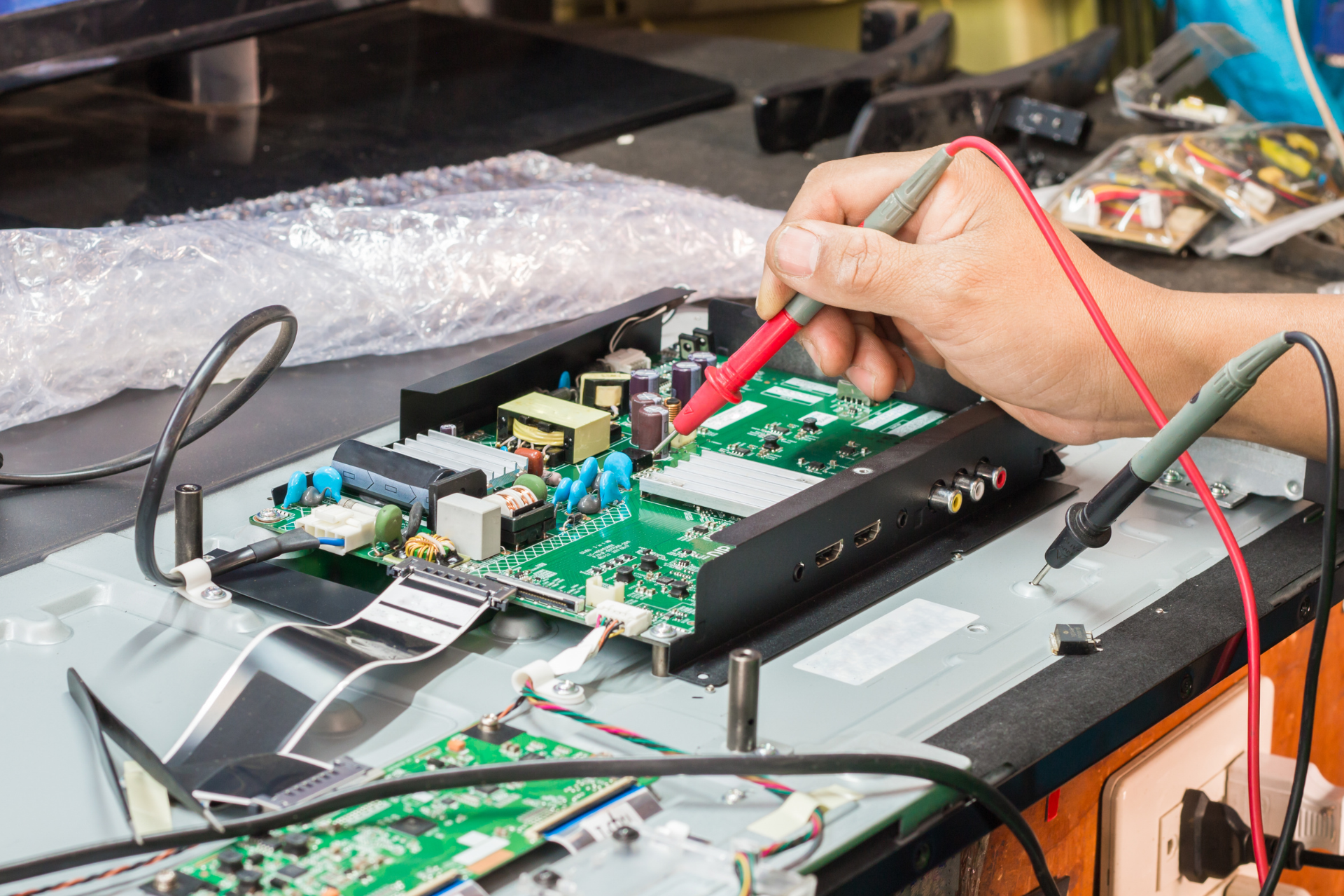
If you've tried the above methods and your device still doesn't work, it's best to seek help from professionals like Utah Flood Guys. Our team of experts is equipped with the tools and knowledge to assess the damage and provide the necessary repairs to get your electronics up and running again.
Remember, time is of the essence when it comes to salvaging water-damaged electronics. The sooner you act, the better chance you have of saving your devices. Stay calm, follow these tips, and don't hesitate to reach out to us at Utah Flood Guys for all your water damage restoration needs.
Stay tech-savvy and water damage-free, folks!
Looking for more tips and tricks on disaster cleanup and restoration services? Visit Utah Flood Guys online today!
You might also like
Utah Flood Guys Blog