DIY Mold Removal: A Dangerous Mistake

DIY Mold Removal

When it comes to mold, seeing those unsightly spots in your home can send anyone into a panic. The instinct to grab some bleach and tackle it yourself may feel like the right move—but it can be one of the most dangerous mistakes you can make. Here at Utah Flood Guys, we understand the urgency of mold removal, but we also prioritize your safety and health. Let’s dive into the reasons why DIY mold removal isn't just risky; it can potentially make the problem worse.


Understanding the Risks


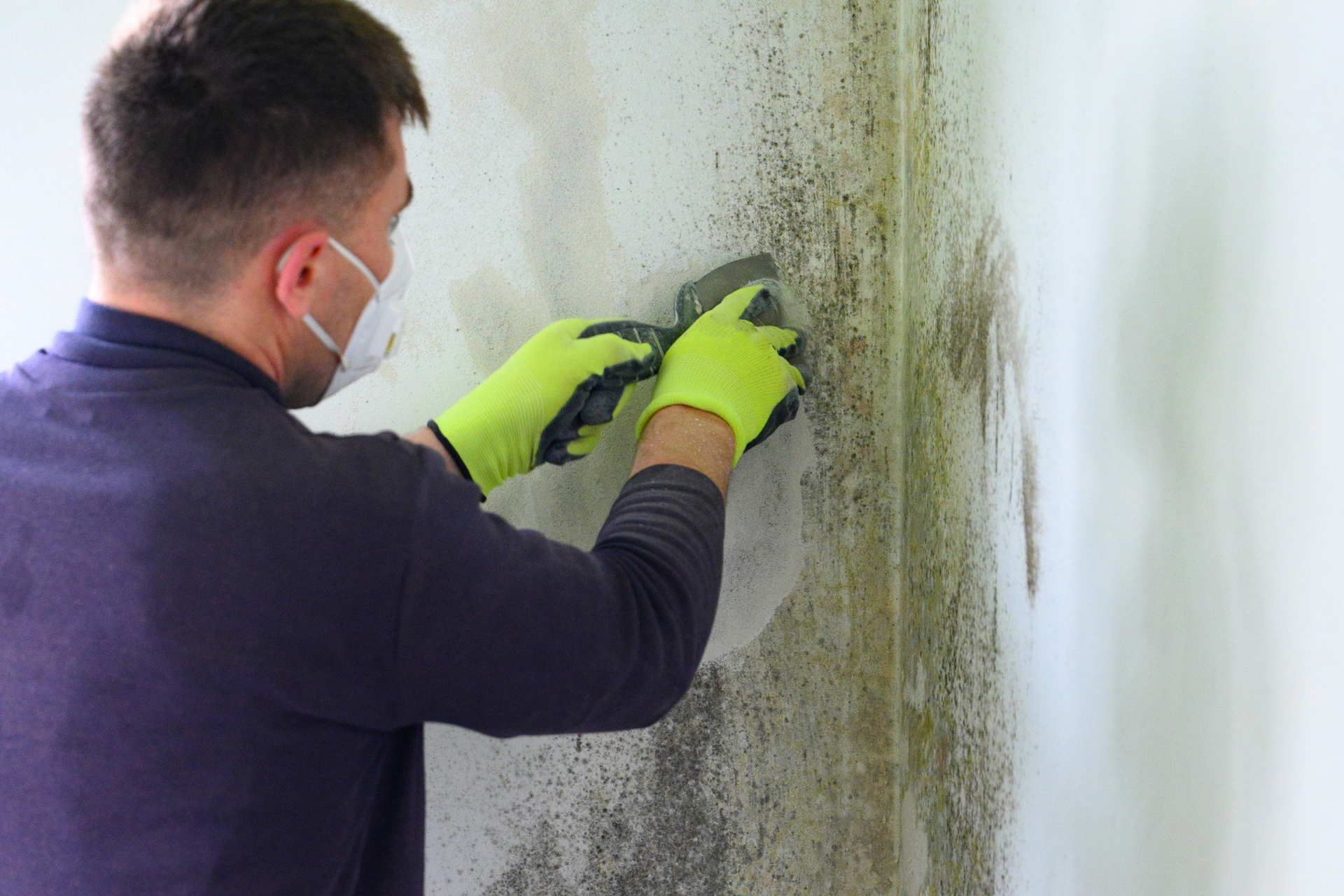
First and foremost, mold is more than just a pesky nuisance. Certain types of mold can produce mycotoxins, which may lead to respiratory issues, allergic reactions, and serious health problems. When you attempt DIY removal without the proper safety equipment, you can inadvertently expose yourself and your family to these harmful spores. If you dust or scrub too hard, you’re simply sending those spores into the air, where they can spread to other areas of your home and be inhaled.


Inadequate Damage Assessment


Another critical aspect to consider is that, during a DIY attempt, it's easy to overlook the extent of the problem. Mold often grows in hidden spaces such as behind walls, under floors, or in attics. If you only treat the visible mold without addressing the source or underlying issues—like moisture problems—the mold will likely return. Professional assessment involves checking for water damage and identifying the root cause, ensuring that you're not just masking a deeper problem.


Improper Removal Techniques


Many people think that bleach is the go-to solution for mold removal. While it may kill some surface mold, it doesn’t penetrate porous materials like wood, drywall, or fabric. Moreover, bleach can create toxic fumes when mixed with other cleaning agents. Effective mold remediation requires specific techniques tailored to the type of mold and the materials involved, something that professional teams like ours have mastered over years of experience.


The Cost of Neglect


If you opt for a DIY approach and the mold comes back, there's a good chance you’ll end up spending more in the long run. Remediation done incorrectly may lead to extensive damage requiring professional intervention later. This can result in costly repairs, especially if mold spreads unchecked. Addressing mold issues promptly and correctly can save you both time and money in the long haul.


What Should You Do?


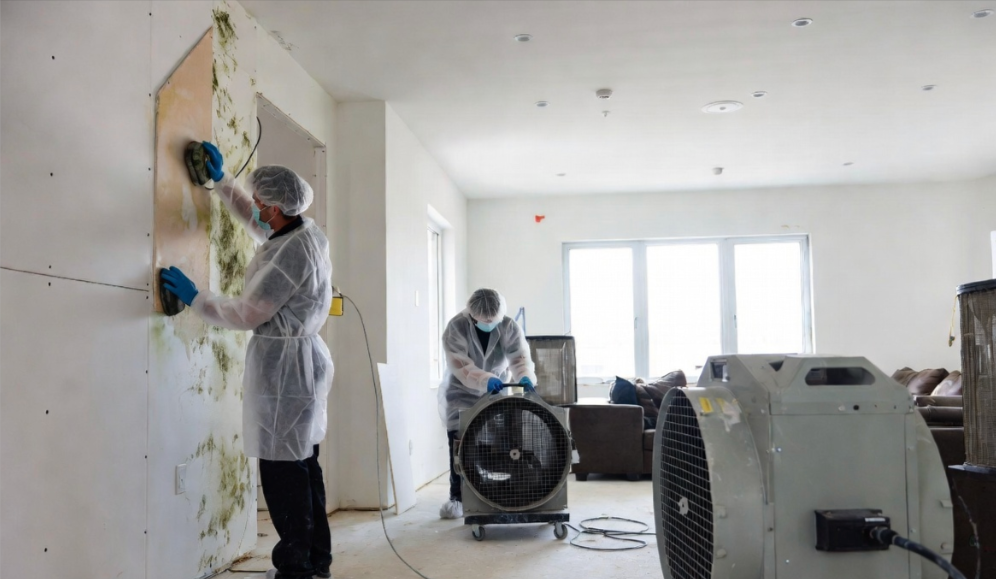
If you suspect mold growth in your home, your best course of action is to reach out to professionals experienced in mold removal. At Utah Flood Guys, we utilize specialized equipment and techniques to completely remove mold while ensuring your home’s safety. Our team conducts a thorough assessment, identifies the source of moisture, and employs the right methods to guarantee that the mold doesn’t return.


In conclusion, while it might seem tempting to tackle mold yourself, the risks far outweigh the benefits. Protect your health, your home, and your wallet by getting in touch with professionals. Let us help you reclaim your space in a safe and effective manner. Remember, when it comes to mold removal, a steady hand is the way to go—leave it to the pros!

You might also like

Utah Flood Guys Blog
UtaStructural dryng in the Utah climate
By Ryan Spelts December 1, 2025
Discover how often flooding occurs in Utah and why our unique climate demands specialized structural drying. Expert insights on water damage restoration.
By Ryan Spelts November 17, 2025
Complete guide to handling dishwasher water damage in Utah homes. Learn immediate response steps, insurance tips, and prevention strategies. 24/7 help available.
By Ryan Spelts November 7, 2025
Nobody expects to wake up to ankle-deep water in their basement or watch helplessly as spring snowmelt turns their home into an unplanned water feature. Here in Utah, we face unique challenges from notorious spring runoff, surprise flash floods, and pipes that burst when temperatures drop below freezing. The good news is that proven methods exist to address these problems effectively. Utah flood restoration isn't just about Shop-Vacs and fans. It's a science-backed process that, when done correctly, can have your home looking like nothing ever happened–often in even better condition than before. Understanding what professional restoration entails helps you make informed decisions during a stressful time. Complete Utah Flood Restoration Process: Step-by-Step The process of Utah flood restoration follows a methodical approach that makes sense once you understand how each phase builds on the previous one. Initial Emergency Response starts when you call for help. Within 2-4 hours, a professional crew should arrive to assess safety by checking for electrical hazards, structural damage, and contamination levels. This assessment determines the entire scope of work and helps classify the water damage category. Water Extraction Methods are where serious equipment makes the difference in flood damage repair. Truck-mounted extraction units can pull 300 gallons per minute–emptying an average hot tub in about 90 seconds. The goal isn't just removing visible water; it's getting moisture levels low enough that secondary damage like warping and microbial growth can't take hold. Structural Drying Techniques separate professionals from weekend warriors. Strategic drying requires understanding psychrometrics–the relationship between temperature, humidity, and evaporation rates. Professional water damage restoration teams use this knowledge to position commercial dehumidifiers and air movers in configurations that maximize airflow while controlling the environment to promote rapid, safe drying. Damage Assessment & Documentation happens throughout the process. Every water-damaged item gets photographed, categorized, and logged with detailed descriptions. Insurance companies want specific moisture readings, thermal imaging shots showing water migration patterns, and detailed inventories. Extensive documentation expedites claims processing. Restoration vs. Replacement Decisions often surprise homeowners. That warped hardwood floor might be salvageable with proper drying and refinishing, potentially saving thousands. But particle board cabinets that absorbed water rarely recover their structural integrity. Professional guidance helps you make cost-effective decisions based on both immediate expenses and long-term value. 

Book a Service Today