Fire Damage Safety Tips: Staying safe during fire damage restoration
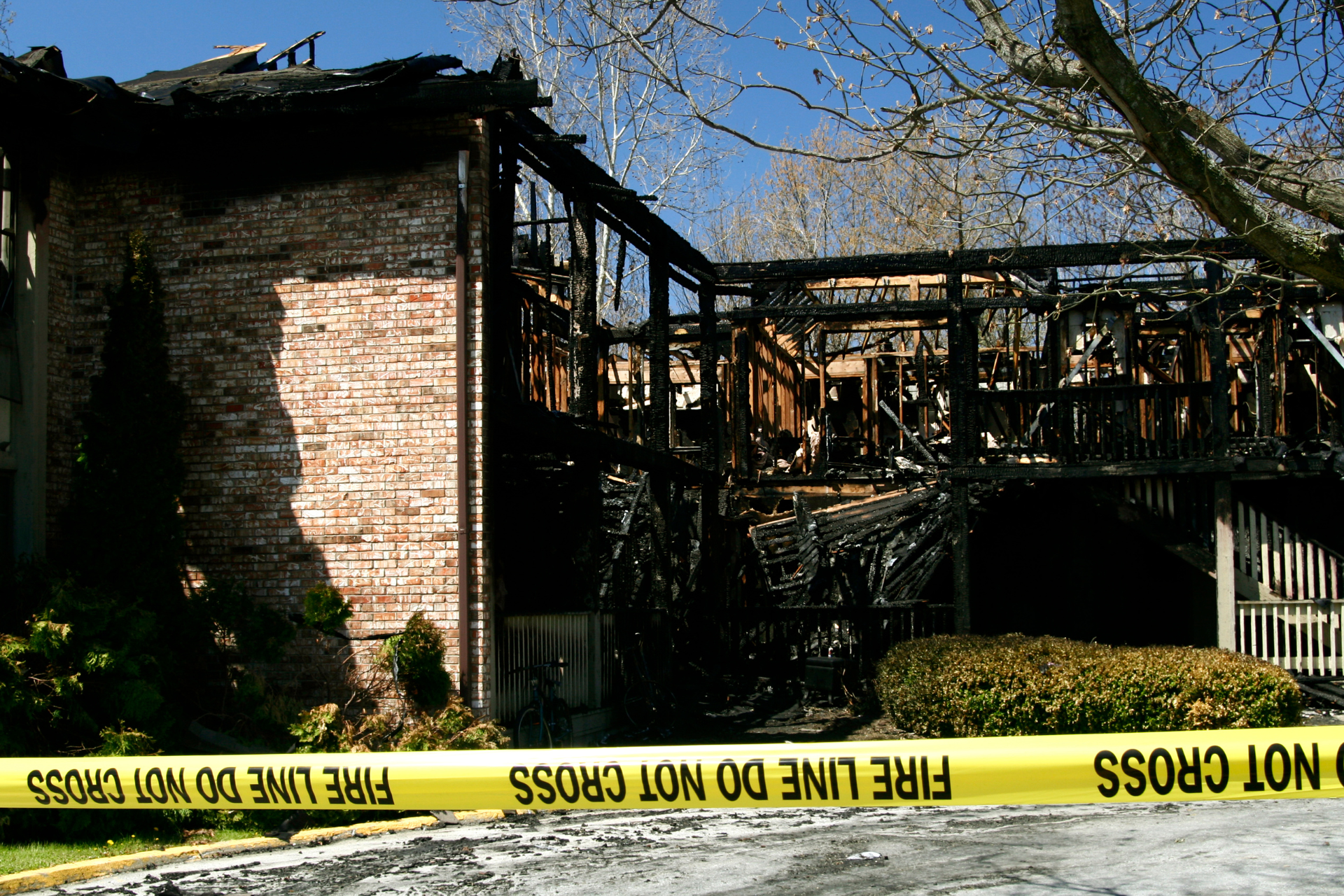
Utah is known for its breathtaking landscapes and beautiful cities, but it's no stranger to disasters like fires. When a fire strikes your home or business, the aftermath can be devastating. While it's important to focus on restoring your property, safety should always come first. In collaboration with Utah Flood Guys, a trusted restoration company in the area, we've compiled some essential fire damage safety tips to keep you and your loved ones safe during the restoration process.
1. Ensure the Property is Safe to Enter
Before you even think about stepping foot into your property after a fire, make sure it's safe to do so. Contact professionals like Utah Flood Guys to assess the structural integrity of the building and determine if it's safe to enter. Fires can weaken the foundation and compromise the overall safety of the structure, so it's crucial to have experts inspect the property before beginning any restoration efforts.
2. Wear Appropriate Safety Gear
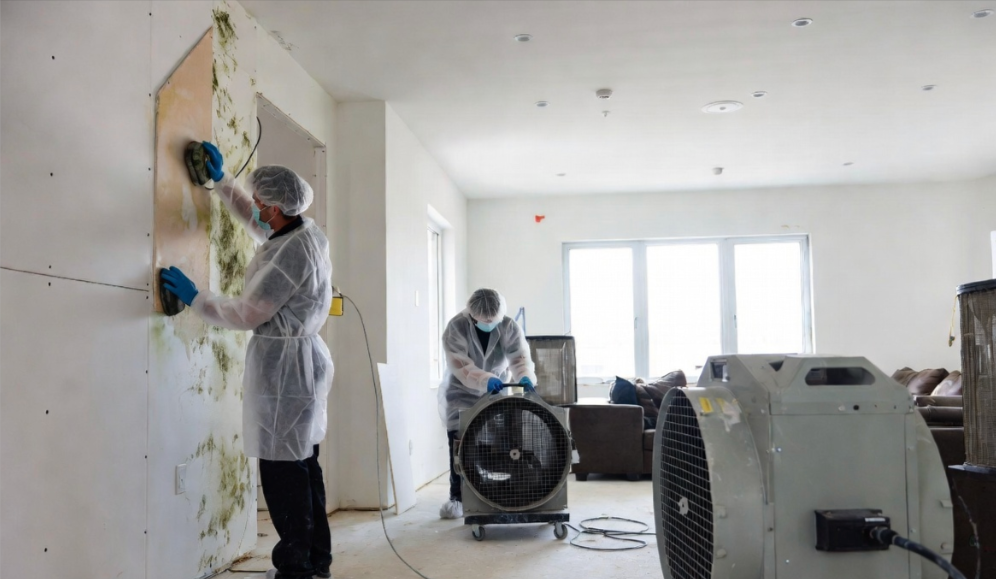
When dealing with fire damage restoration, proper safety gear is a must. Wear protective clothing, gloves, masks, and goggles to prevent exposure to harmful substances like soot, ash, and chemicals. Breathing in smoke residue can be harmful to your health, so it's important to protect yourself at all times.
3. Ventilate the Area
Smoke and soot residue can linger long after the fire has been extinguished. Proper ventilation is key to removing these harmful particles from your property. Open windows and doors to allow fresh air to flow through the space. Consider using fans or dehumidifiers to help circulate air and speed up the ventilation process.
4. Stay Hydrated
Restoration work can be physically demanding, especially in the aftermath of a fire. Make sure to stay hydrated throughout the process to prevent dehydration and exhaustion. Keep a bottle of water nearby and take regular breaks to rest and recharge.
5. Avoid Electrical Hazards
Fires can cause extensive damage to electrical systems, posing a significant hazard during restoration. Avoid using any electrical appliances that may have been damaged by the fire. It's best to have a professional electrician inspect the wiring and electrical components before attempting to use any electronics in the property.
6. Beware of Slip and Fall Hazards
Fire damage can create slippery surfaces due to water used to extinguish the fire. Watch out for potential slip and fall hazards, such as wet floors or debris scattered throughout the property. Wear appropriate footwear with good traction to prevent accidents during the restoration process.
7. Seek Professional Help
Attempting to clean up fire damage on your own can be overwhelming and risky. Seek the assistance of professionals like Utah Flood Guys who have the expertise, experience, and equipment to handle fire damage restoration safely and effectively. By hiring a reputable restoration company, you can ensure that your property is restored to its pre-loss condition without compromising your safety.
In conclusion, fire damage restoration is a challenging process that requires caution and attention to safety. By following these fire damage safety tips and enlisting the help of professionals like Utah Flood Guys, you can navigate the restoration process safely and mitigate the damages caused by a fire. Remember, safety should always be the top priority when restoring your property after a fire.
You might also like
Utah Flood Guys Blog