Emergency Preparedness: Creating a Utah-Specific Plan for Water and Fire Damage
Living in Utah, we are no strangers to the unpredictable forces of nature that can wreak havoc on our homes and businesses. From flash floods to wildfires, it's essential to be prepared for both water and fire damage emergencies. At Utah Flood Guys, we understand the importance of having a solid emergency preparedness plan in place to mitigate the impact of disasters. In this blog post, we'll discuss how you can create a Utah-specific plan for water and fire damage to protect your property and loved ones.
Water Damage Preparedness in Utah
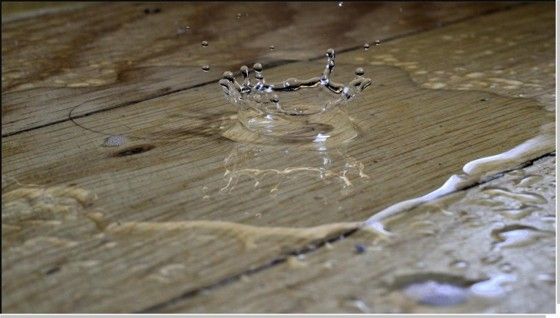
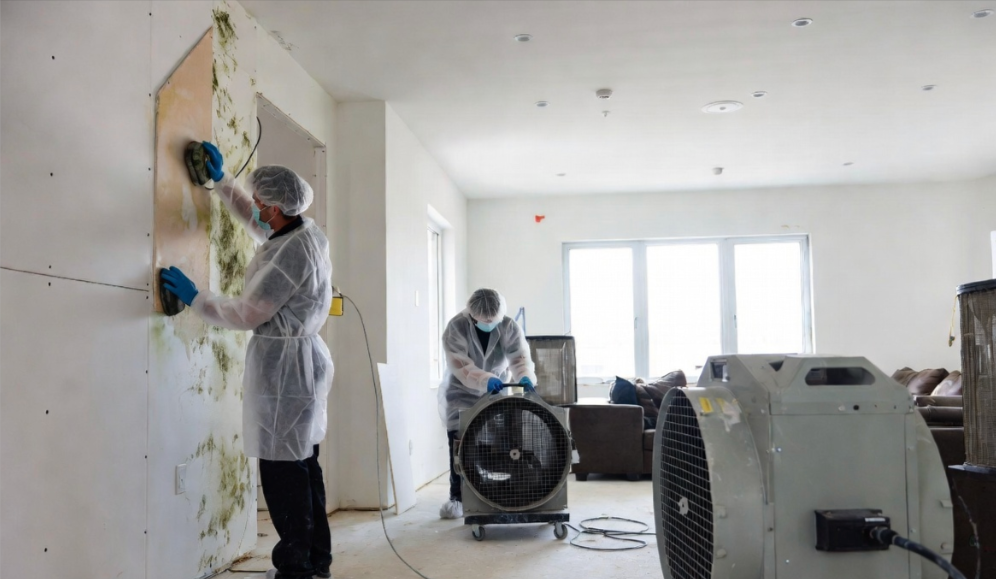
Utah experiences its fair share of heavy rainfall, flash floods, and snowmelt, which can lead to water damage in homes and businesses. To prevent extensive damage and costly repairs, consider these steps to prepare for water emergencies in Utah:
1. Know your risk
Familiarize yourself with the flood zones in your area and understand the potential sources of water damage, such as leaky pipes, overflowing rivers, or sewage backups.
2. Invest in flood insurance
Standard homeowner's insurance may not cover flood damage, so it's crucial to purchase a separate flood insurance policy to protect your property.
3. Maintain your gutters and downspouts
Keep your gutters clean and free of debris to prevent water from backing up and causing damage to your roof and foundation.
4. Install a sump pump
A sump pump can help remove excess water from your basement or crawl space during heavy rainstorms or flooding.
5. Create a water emergency kit
Include essential items such as a flashlight, batteries, non-perishable food, water, first aid supplies, and important documents in case of an evacuation.
Fire Damage Preparedness in Utah
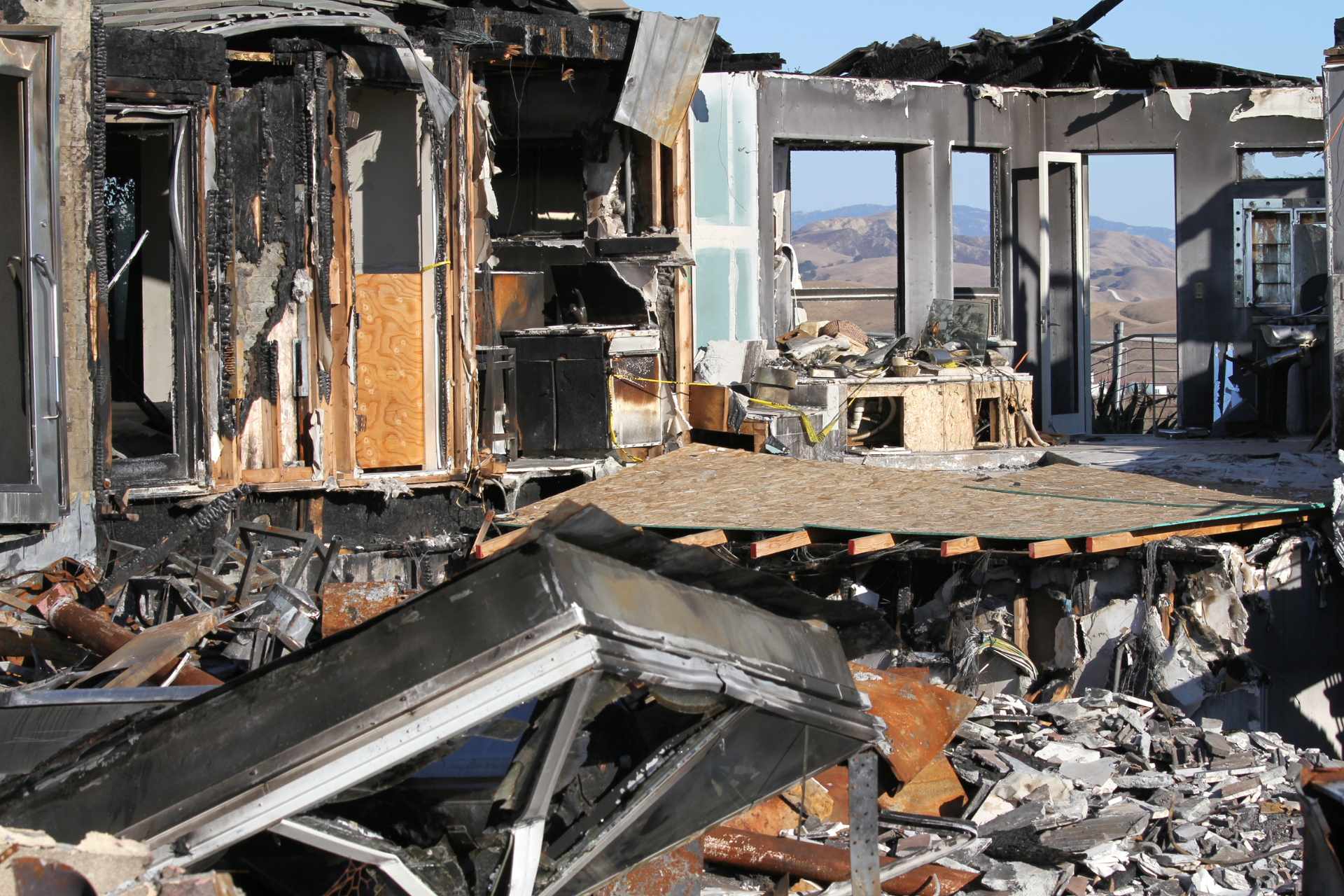
Utah is also prone to wildfires, especially during the dry summer months. To protect your property from fire damage, follow these tips to create a fire safety plan tailored to Utah's unique landscape:
1. Clear defensible space
Maintain a 30-foot buffer zone around your home by clearing away flammable vegetation, leaves, and debris to reduce the risk of wildfire spreading to your property.
2. Create a fire-resistant landscape
Plant fire-resistant plants and trees and use mulch made from non-combustible materials to create a barrier against spreading flames.
3. Check your home's exterior
Inspect your roof, siding, and windows for any vulnerabilities that could allow embers to ignite your home during a wildfire.
4. Have an evacuation plan
Identify multiple evacuation routes from your property and establish a meeting point for your family in case of a fire emergency.
5. Stay informed
Monitor local weather and fire conditions through websites, social media, and local news outlets to stay informed about any potential fire threats in your area.
In Conclusion
By creating a comprehensive emergency preparedness plan for water and fire damage tailored to the unique challenges of living in Utah, you can protect your property and loved ones from the devastating effects of natural disasters. At Utah Flood Guys, we are here to help you with all your water damage restoration and fire damage cleanup needs. Stay safe and be prepared!
Remember, it's always better to be proactive than reactive when it comes to emergency preparedness. Stay safe, Utah!
---
This blog post aims to educate readers on the importance of creating a Utah-specific plan for water and fire damage emergencies, tailored to the unique challenges faced in the state. It provides practical tips and suggestions for preparing for such disasters, promoting both the services of Utah Flood Guys and the importance of readiness. Let me know if you would like any changes or further additions.
You might also like
Utah Flood Guys Blog