DIY Mold Inspection: What to Look For
Are you concerned about mold in your home or business? Mold can be a serious problem that can cause health issues and damage to your property. While professional mold inspections are essential in some cases, there are some signs you can look for on your own to determine if you have a mold problem. In this blog post, we will discuss what to look for during a DIY mold inspection to help you identify potential mold issues early on.
Utah Flood Guys is here to guide you through the process of inspecting your property for mold. As a trusted restoration company in Utah, we understand the importance of early detection and prevention when it comes to mold growth. By being proactive and vigilant, you can minimize the impact of mold on your property and health.
When conducting a DIY mold inspection, here are some key things to look for:
1. Musty Odor
Mold often produces a distinctive musty smell. If you notice a lingering odor in certain areas of your property, especially in damp or humid spaces like basements, bathrooms, or crawl spaces, it could be a sign of mold growth.
2. Visible Mold Growth
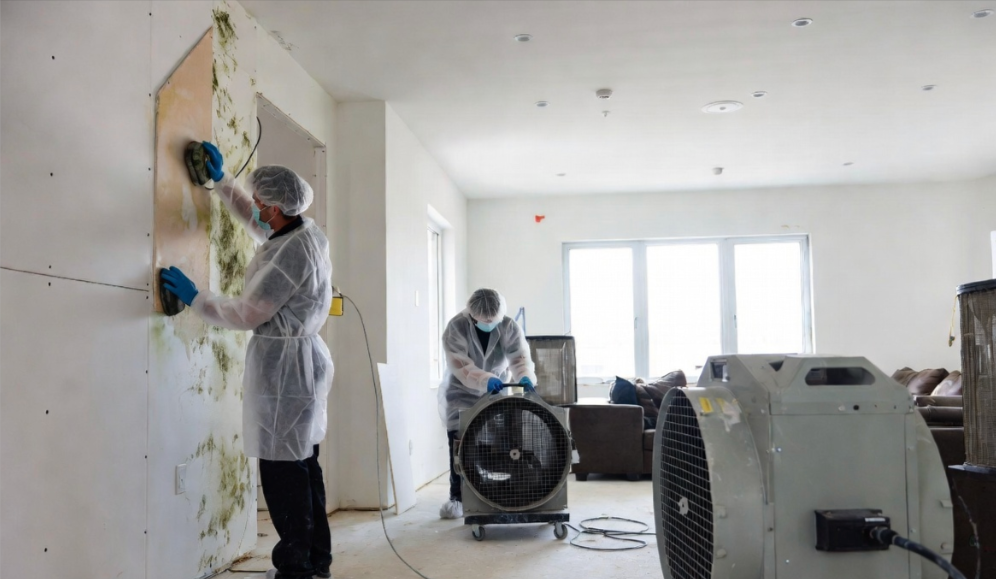
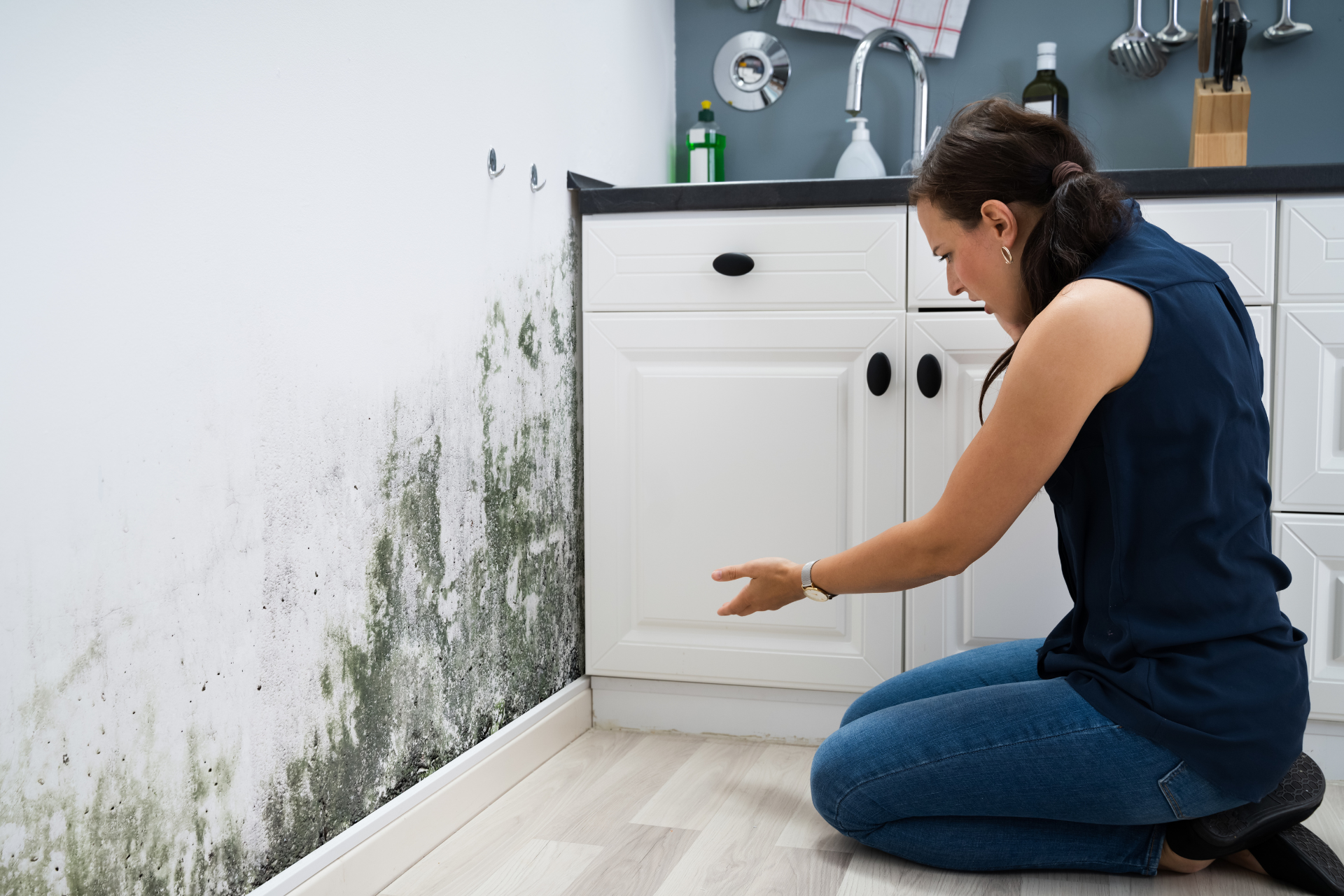
Check for any visible signs of mold growth on surfaces such as walls, ceilings, floors, or around windows. Mold can appear as black, green, brown, or white patches and may have a fuzzy or slimy texture. Pay attention to areas that have experienced water damage or leaks, as these are common breeding grounds for mold.
3. Water Stains
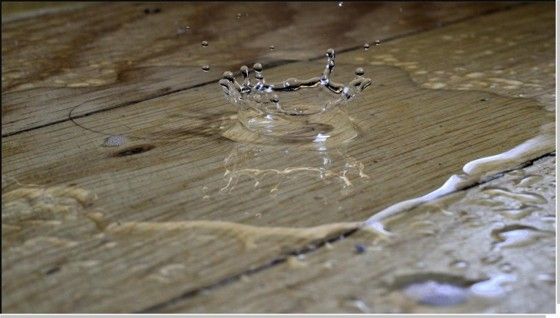
Water stains on walls, ceilings, or floors can indicate a past or ongoing moisture issue, which can lead to mold growth. Keep an eye out for discolored patches or warping of surfaces, as these can be early signs of water damage and potential mold problems.
4. Humidity Levels
High indoor humidity levels can create an ideal environment for mold growth. Invest in a hygrometer to monitor the humidity levels in your home or business. Ideally, indoor humidity should be kept below 60% to prevent mold from thriving.
5. Condensation
Condensation on windows, pipes, or other surfaces can indicate excess moisture in the air. Mold thrives in damp conditions, so addressing condensation issues promptly can help prevent mold growth.
6. Allergy Symptoms
If you or your family members are experiencing unexplained allergy symptoms such as coughing, sneezing, or skin irritation, mold could be the culprit. Mold spores can trigger allergic reactions in sensitive individuals, so it's important to investigate potential mold sources.
7. Previous Water Damage
If your property has experienced water damage in the past, whether from flooding, leaks, or plumbing issues, there is a higher risk of mold growth. Inspect areas that were affected by water damage carefully, as mold can lurk beneath the surface.
If you notice any of these signs during your DIY mold inspection, it's essential to take action promptly. While some mold issues can be addressed with thorough cleaning and moisture control measures, more extensive mold infestations may require professional remediation services.
Utah Flood Guys is here to help with professional mold removal services for residential and commercial properties in Utah. Our experienced team utilizes advanced equipment and techniques to safely and effectively remove mold, restore your property, and prevent future mold growth.
Remember, early detection is key when it comes to mold. By staying vigilant and proactive, you can protect your property and your health from the harmful effects of mold. If you suspect mold in your home or business, don't hesitate to contact Utah Flood Guys for expert assistance.
Stay informed, stay proactive, and stay mold-free with Utah Flood Guys.
You might also like
Utah Flood Guys Blog