How Utah Residents Can Minimize Water Damage During Winter
Introduction:
As the winter season approaches in Utah, residents need to prepare for potential risks of water damage in their homes or properties. Burst pipes, ice dams, and snowmelt are common culprits that can lead to costly water damage and the need for professional restoration services. In this blog post, we will discuss practical tips and strategies that Utah residents can implement to minimize water damage during the winter months.
Winterizing Your Home:
Before the temperatures drop, it is essential to winterize your home to prevent water damage. Start by insulating pipes, especially those located in unheated areas such as basements, attics, and crawl spaces. Pipes can freeze and burst when exposed to freezing temperatures, causing significant water damage. Additionally, seal any gaps or cracks in walls, windows, and doors to prevent cold air from entering your home.
Roof Maintenance:
Inspect your roof for any signs of damage or leaks before winter arrives. Snow and ice can accumulate on your roof, leading to ice dams that can cause water to seep into your home. Clear debris from your gutters and ensure proper drainage to prevent water buildup. If you notice any issues with your roof, make necessary repairs to avoid water infiltration during winter storms.
Monitor Indoor Humidity:
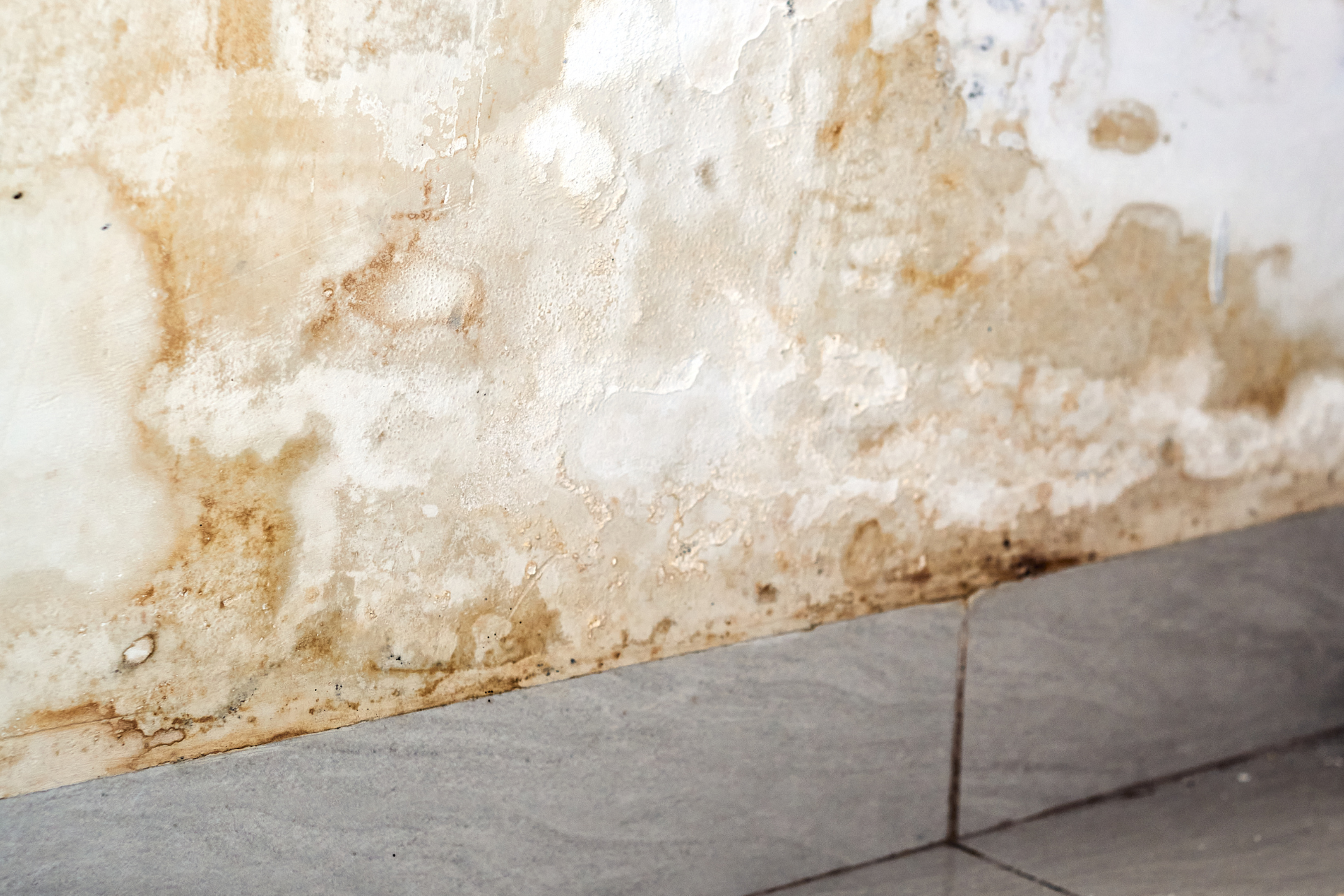
Maintaining the right indoor humidity level can help prevent the formation of condensation, which can lead to water damage and mold growth. Use a dehumidifier if necessary to keep humidity levels in check, especially in areas prone to moisture buildup such as basements and bathrooms. Proper ventilation is key to reducing moisture in your home and preventing water damage.
Prepare for Power Outages:
Winter storms in Utah can sometimes lead to power outages, which can impact your ability to prevent water damage. Consider investing in a backup power generator to keep essential appliances running, such as sump pumps and heating systems. Having a plan in place for emergency situations can help you minimize the risk of water damage during power outages.
Act Quickly in Case of Water Damage:
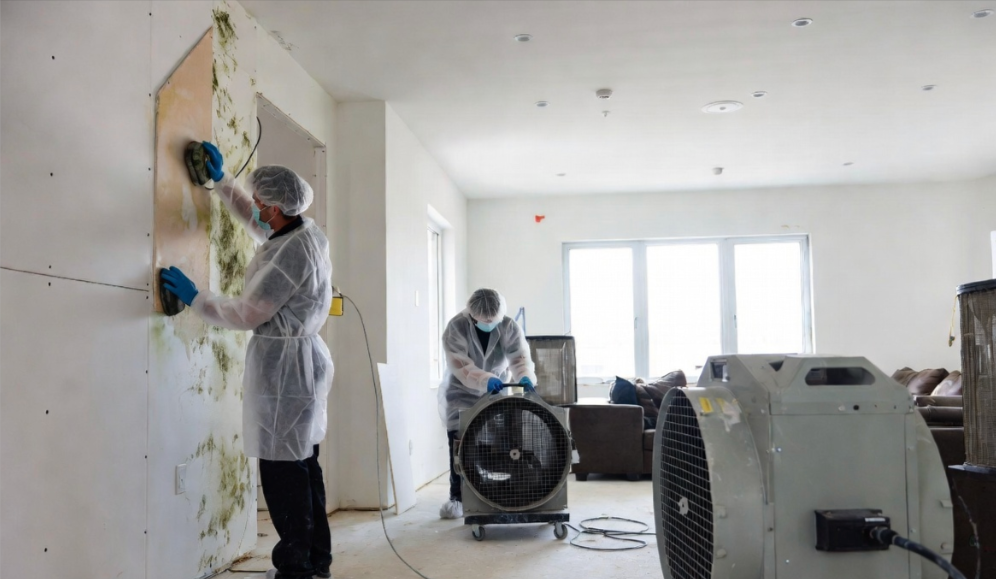
Despite your best efforts to prevent water damage, accidents can still happen. If you experience water damage in your home, it is crucial to act quickly to minimize the extent of the damage. Contact a professional restoration company like Utah Flood Guys immediately to assess the situation and start the cleanup process. Delaying restoration efforts can lead to further damage and mold growth, so swift action is essential.
Conclusion:
Water damage during the winter months can be a stressful and costly issue for Utah residents. By implementing preventive measures and staying prepared for potential risks, you can minimize the likelihood of water damage in your home. Remember to winterize your property, maintain your roof, monitor indoor humidity levels, prepare for power outages, and respond promptly to any water damage incidents. In case of emergency, trust Utah Flood Guys to provide efficient and effective restoration services to help you get your home back to its pre-damage condition. Stay safe and proactive this winter season to protect your property from water damage.
You might also like
Utah Flood Guys Blog