Common Myths About Water Damage Restoration
When disaster strikes your home or business, the last thing you want is to be misled by common myths about water damage restoration. At Utah Flood Guys, we’ve seen our fair share of misconceptions that can hinder the restoration process and lead to further damage. Let’s break down some of these myths and set the record straight.
Myth 1: All Water Damage Is the Same
A common misconception is that all water damage is uniform, but the truth is that there are different categories of water damage, ranging from clean to contaminated. Clean water from a broken pipe is treatable, while floodwater can carry harmful pathogens and must be handled with extreme care. Understanding these categories is crucial in determining the right restoration approach. At Utah Flood Guys, we assess the situation thoroughly to tailor our services to the specific type of water damage incurred.
Myth 2: You Can Dry Out Your Home on Your Own
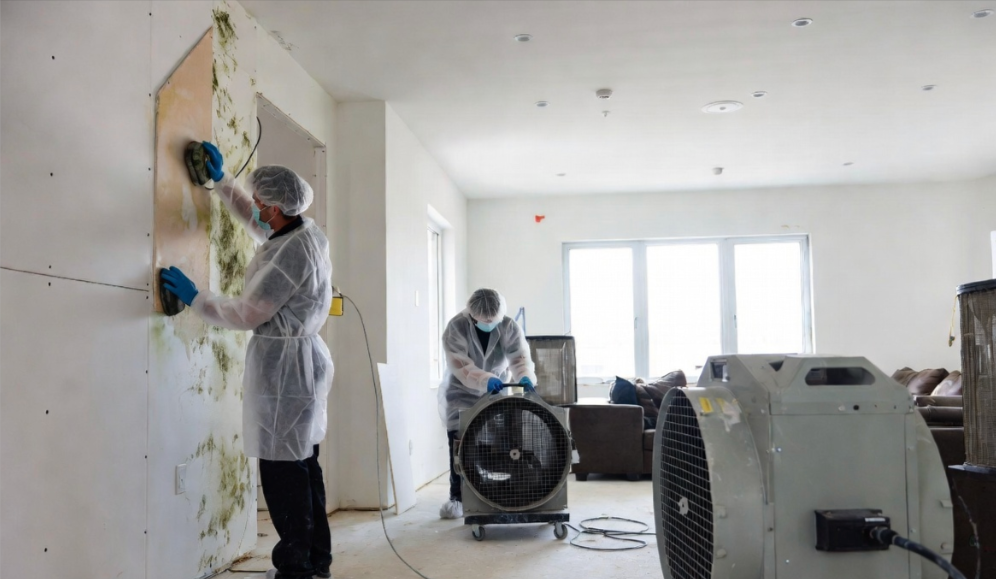
While it might be tempting to tackle water damage yourself, this can often lead to bigger problems in the long run. DIY drying methods may seem sufficient, but they rarely get to the root of the issue. Water can seep into walls, floors, and furniture, fostering mold growth if not properly addressed. Professional restoration services like ours use specialized equipment to ensure all moisture is removed and areas are thoroughly dried, safeguarding your home and health.
Myth 3: Mold Will Not Grow in a Dry Area
Many people believe that as long as an area is dry, mold will not develop. Unfortunately, this isn’t the case. Mold can start to grow within 24 to 48 hours after water exposure, particularly in areas that may not seem damp. Even if you've managed to get your home dry, hidden moisture can be lurking behind walls or under flooring. Our team at Utah Flood Guys performs thorough inspections and remediation strategies to eliminate any potential mold problems before they take hold.
Myth 4: Restoration is Always a Lengthy Process
Another myth is that the restoration process takes forever. While every situation is unique, a professional team can often restore your property much more quickly than you'd think. Factors that influence the timeline include the severity of the damage, the water source, and how quickly the restoration team arrives. Our goal is to minimize disruption while ensuring that your space is restored to its pre-damage condition efficiently and effectively.
Myth 5: Insurance Will Cover Everything
While insurance policies often cover water damage restoration, not every type of damage is fully covered under all policies. Understanding your specific policy can be confusing, and many people assume they are covered without fully reviewing the details. It’s advisable to keep an open dialogue with your insurance provider and to consult with restoration professionals who can help clarify what can be covered and how to document the damage properly.
Final Thoughts
If you ever face water damage in your home or business, remember these myths to avoid costly mistakes. At Utah Flood Guys, we’re here to debunk misconceptions and provide reliable, expert restoration services. Don’t let myths hold you back from restoring your space efficiently. Contact us today to learn how we can help you get back on track after water damage strikes!
You might also like
Utah Flood Guys Blog