Why Mold Remediation Is Important After a Fire
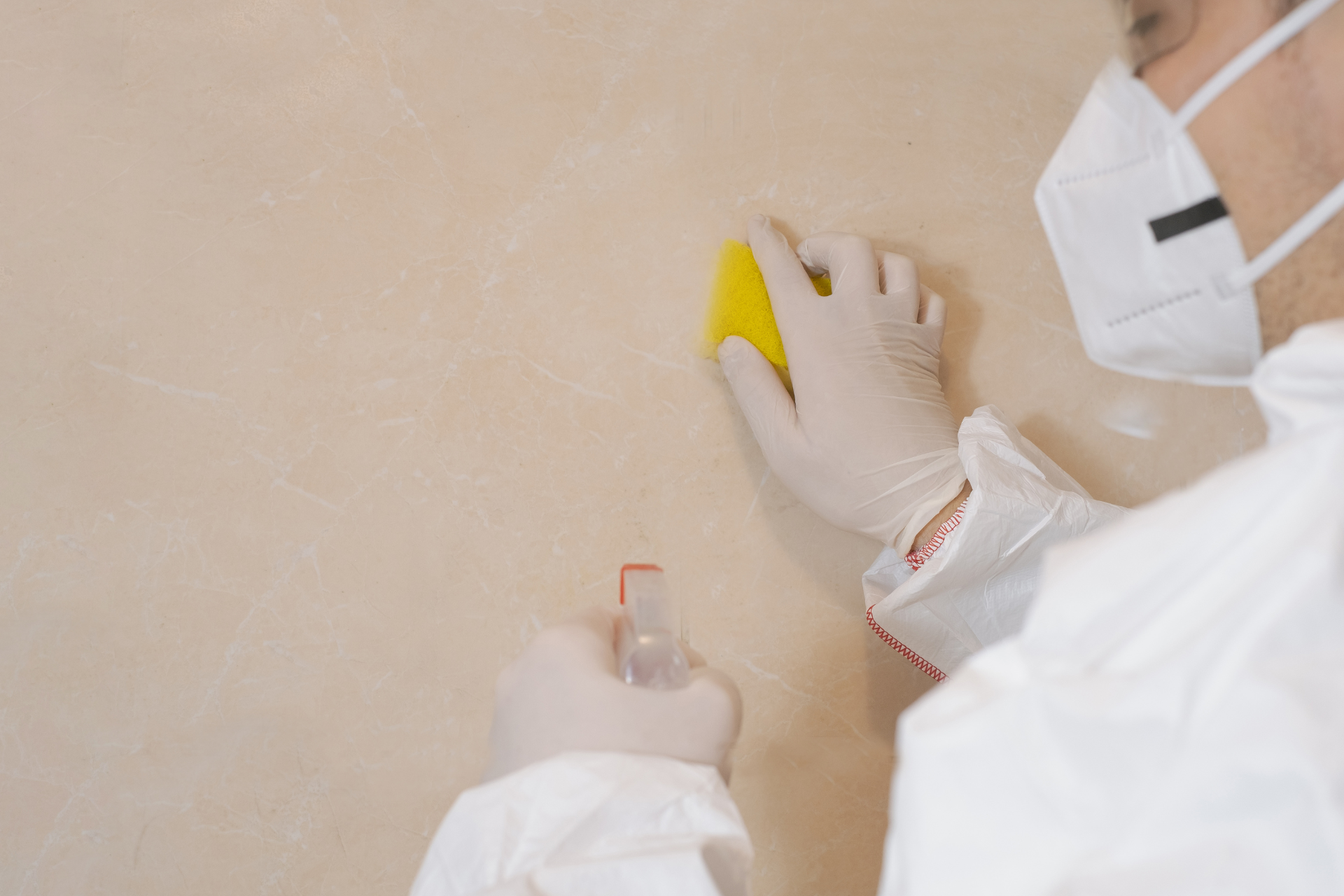
When a fire occurs, the aftermath can be devastating, leaving not just charred structures but also a hidden threat: mold growth. At Utah Flood Guys, we understand that dealing with the consequences of fire damage can be overwhelming, but prioritizing mold remediation is a critical step that should never be overlooked.
Understanding the Connection Between Fire and Mold
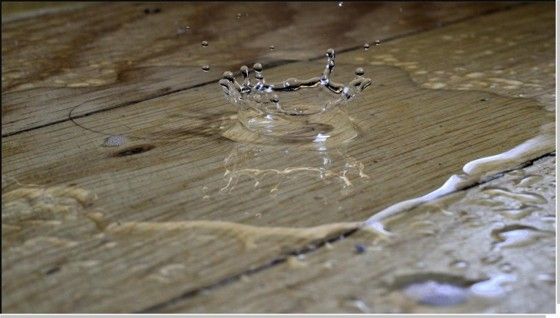
You might wonder how a fire, which seemingly leaves no moisture behind, can lead to mold growth. The truth is, firefighting efforts often involve water—lots of it. Firefighters use hoses, sprayers, and sometimes even water-filled chemicals to extinguish flames. Unfortunately, this water can seep into walls, floors, and the very materials that are meant to be resilient. When these moist conditions remain unchecked, mold begins to thrive.
The Dangers of Mold Growth
Mold is not just an unpleasant sight; it poses serious health risks. For many people, mold exposure can lead to a range of health issues, including respiratory problems, allergic reactions, and aggravated asthma. This is particularly concerning for children, the elderly, and anyone with pre-existing respiratory issues. It’s not just about cleaning up; it’s about protecting your health and the health of those around you.
The Myths Surrounding Mold Remediation
Many homeowners believe that once the fire is out, the danger is gone. Unfortunately, this is a misconception. Mold can start to grow in as little as 24 to 48 hours after a moisture event. If you think you can just wipe it down with some bleach and call it a day, you’re mistaken. Mold spores are microscopic and can be difficult to eradicate without professional help. DIY attempts can often lead to mold spreading, making the problem much worse.
Why Professional Mold Remediation is Essential
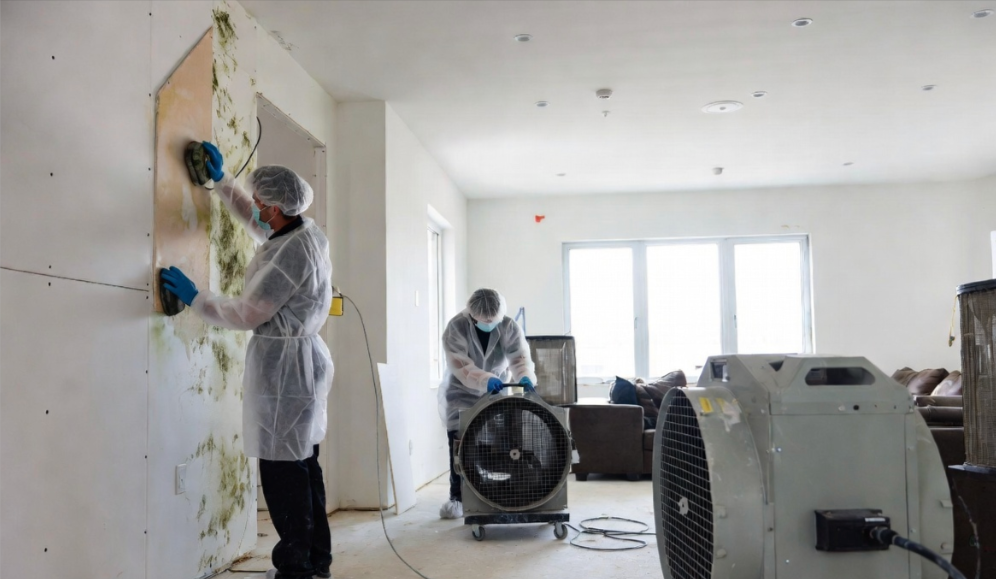
At Utah Flood Guys, we emphasize the importance of professional mold remediation services. Our trained technicians utilize specialized equipment and techniques tailored to detect and remove mold effectively. We understand the complexities of restoration after a fire and approach each case with the care it deserves.
Using advanced methods, we ensure that not only is mold removed, but we also address the underlying moisture issues that caused it in the first place. Our goal is to restore your property entirely, providing you with peace of mind.
Preventing Future Mold Growth
Once the necessary mold remediation is completed, taking preventive actions is essential. Simply patching up holes or repairing walls without addressing the root cause can lead to recurring problems. Our team will guide you on measures to keep your property dry and prevent moisture accumulation. This may involve improving ventilation, fixing leaks, or even installing dehumidifiers.
Your Next Steps After Fire Damage
If you’ve experienced a fire, don’t delay in seeking help. At Utah Flood Guys, we specialize in restoring homes and businesses after fire and water damage. Remember: addressing mold isn’t just an option—it’s a necessity for safeguarding your property and health.
In conclusion, mold remediation is a vital next step after a fire. Your safety and wellbeing are our top priorities. Contact us at Utah Flood Guys today, and let us help you return your life to normalcy with our expert restoration services. Don’t let mold be a lingering issue—take action now!
You might also like
Utah Flood Guys Blog