The Difference Between Clean, Gray, and Black Water Damage: What You Need to Know
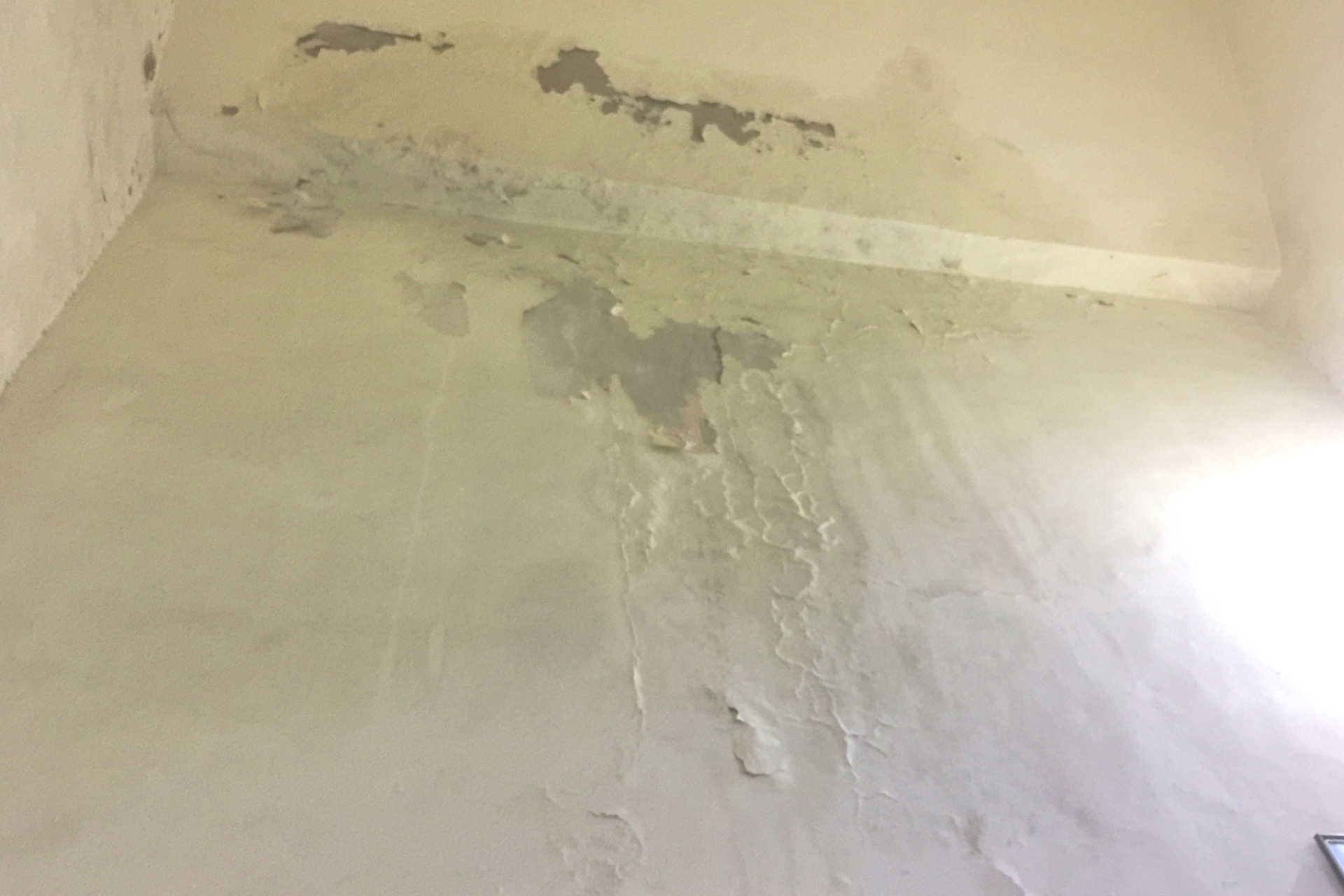
When disaster strikes in the form of a water leak or flood, understanding the type of water involved is crucial. At Utah Flood Guys, we’re dedicated to helping you navigate the complexities of water damage restoration. One key aspect that often gets overlooked is the categorization of water damage—clean, gray, and black water. Knowing the difference can make a significant impact on how you address the problem and restore your property.
Clean Water Damage
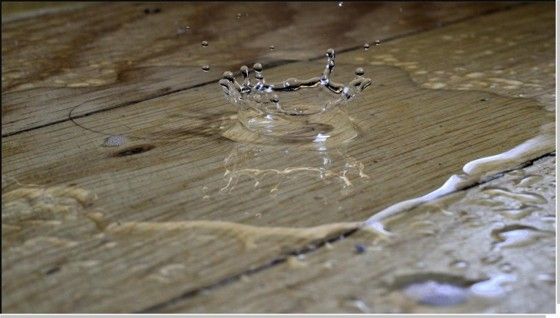
Let’s start with clean water. This type of water damage generally comes from a clean source, such as a broken pipe, a leaky sink, or rainwater. Since it’s free from contaminants, clean water poses minimal health risks, making it more manageable. When addressing clean water damage, it's essential to act quickly to prevent mold growth and further damage to your property.
If you find yourself dealing with clean water damage, don’t panic! Focus on soaking up the water with towels, using a wet/dry vacuum if possible, and ensuring proper ventilation in the affected area. Since clean water can turn into gray water if left unattended, make sure to schedule a professional assessment with Utah Flood Guys. We’ll help you ensure that your home or business is back to normal in no time.
Gray Water Damage
Next up is gray water damage, which comes from sources like washing machines, dishwashers, or sinks—the kinds of places that have some level of contamination but aren’t classified as hazardous. Gray water typically contains soap, dirt, and food particles, making it riskier than clean water. While it might not seem too dangerous at first glance, prolonged exposure can lead to health issues and more extensive damage if not addressed swiftly.
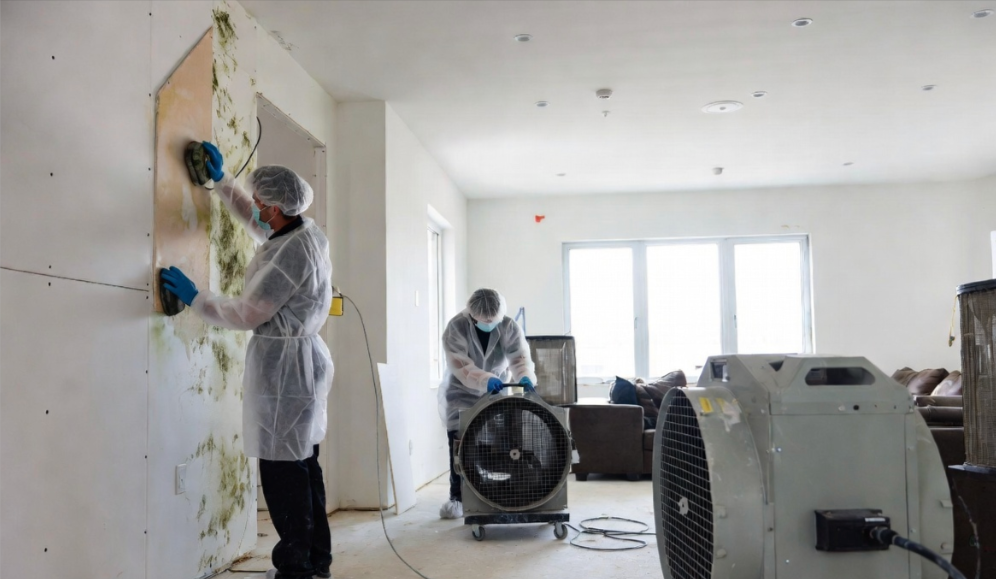
If you’re dealing with gray water, it’s crucial to wear protective gear, including gloves and masks, to avoid skin contact or inhalation of contaminants. Do not attempt to clean up gray water alone if the area is extensive—call in the experts at Utah Flood Guys! We have the right tools and knowledge to safely remove and restore your property while minimizing any health risks.
Black Water Damage
Now, let’s talk about the most severe category: black water. This classification includes water that is contaminated with pathogens, bacteria, and toxins—think sewage spills, flooding from rivers, or water that has been sitting stagnant for a while. Black water poses significant health risks and is not something you should tackle on your own.
If you find yourself facing a black water situation, it’s critical to evacuate the area and contact a professional restoration company immediately. Utah Flood Guys specializes in comprehensive water damage restoration, and we have the training and equipment necessary to handle black water safely and effectively.
Final Thoughts
Understanding the differences between clean, gray, and black water damage is vital for proper response and restoration. At Utah Flood Guys, we are here to help you every step of the way, whether you’re dealing with a small leak or a significant flood. Remember, the sooner you act, the better chance you have of minimizing damage and keeping your property safe and healthy. Don’t hesitate to reach out for assistance! Your peace of mind is our priority.
You might also like
Utah Flood Guys Blog