A Homeowner's Guide to Water Damage Covered by Insurance
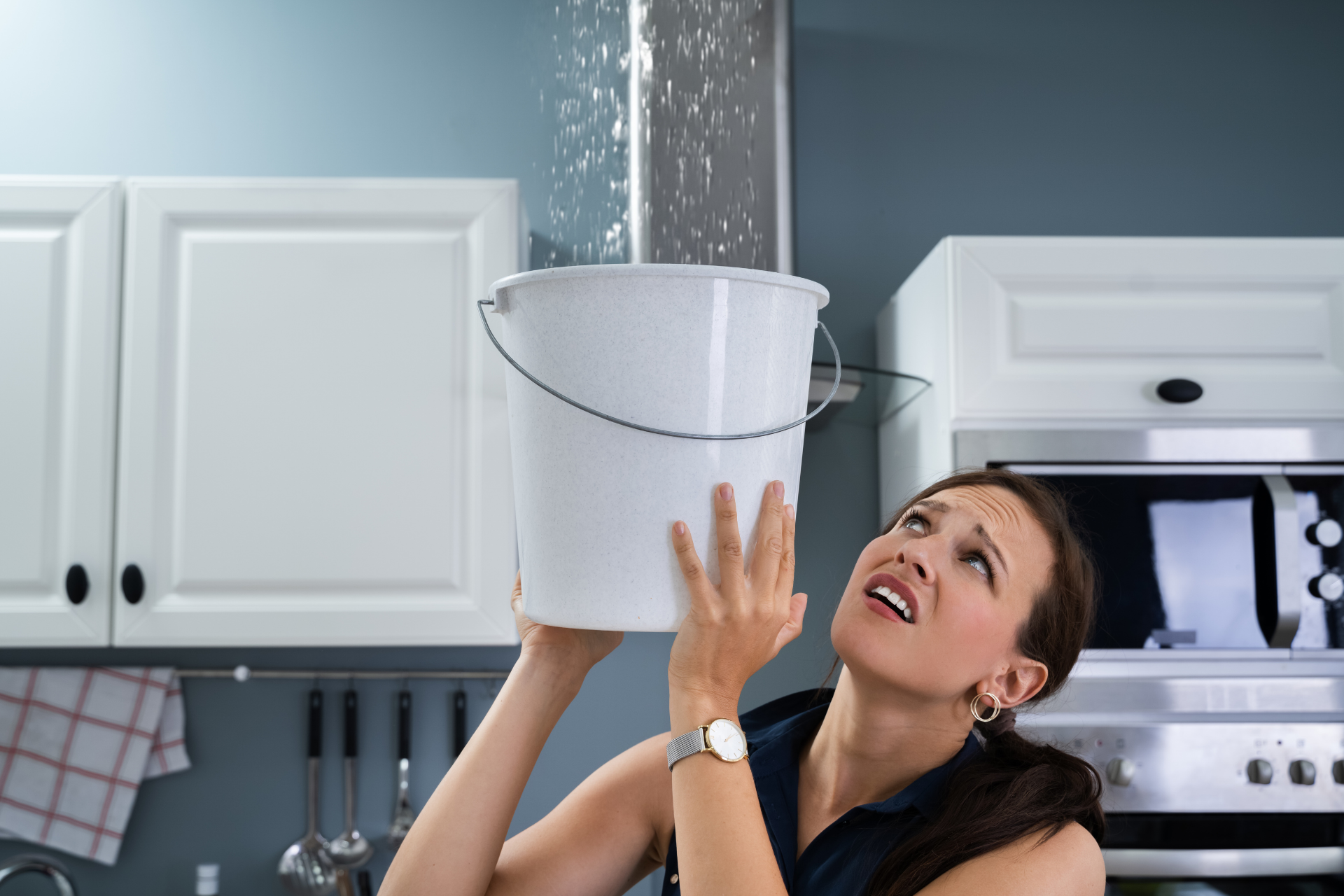
Water damage can be one of the most devastating experiences a homeowner can face. Whether it’s due to a sudden leak, a flash flood, or a broken pipe, the repercussions can be serious. Fortunately, many water damage situations can be mitigated through insurance coverage. At Utah Flood Guys, we understand how overwhelming it can be to navigate the murky waters of insurance claims when disaster strikes. Here’s a comprehensive guide to help you understand what water damage your homeowner's insurance policy may cover.
Understanding Your Policy
Before you find yourself in a sticky situation, take a close look at your homeowner's insurance policy. Most standard policies offer coverage for certain types of water damage. Typically, insurance will cover damage from sudden and accidental incidents, such as:
- Burst Pipes
A pipe that suddenly bursts and leads to an indoor flood is usually covered.
- Roof Leaks
If your roof is damaged by a storm, resulting in water entering your home, your policy may cover the repairs.
- Appliance Failure
Water damage caused by malfunctioning washing machines, refrigerators, or water heaters often falls under the coverage umbrella.
However, it’s essential to understand the nuances of your policy. Some forms of water damage may not be covered, such as:
- Flooding
Damage from natural flooding or storm surges typically requires a separate flood insurance policy.
- Negligence
If a minor leak has gone unnoticed and worsened over time, resulting in damage, that might not be covered under many policies.
Documenting the Damage
When water damage occurs, documentation is key. As soon as you can do so safely, take photographs of the affected areas, noting the extent of the damage and its likely cause. This record will be crucial when filing your insurance claim. Additionally, consider keeping receipts from any emergency repairs or restoration services.
The Claims Process
1. Report the Damage
Notify your insurance company as soon as possible. Most policies have a timeline for reporting water damage incidents.
2. Mitigate Further Damage
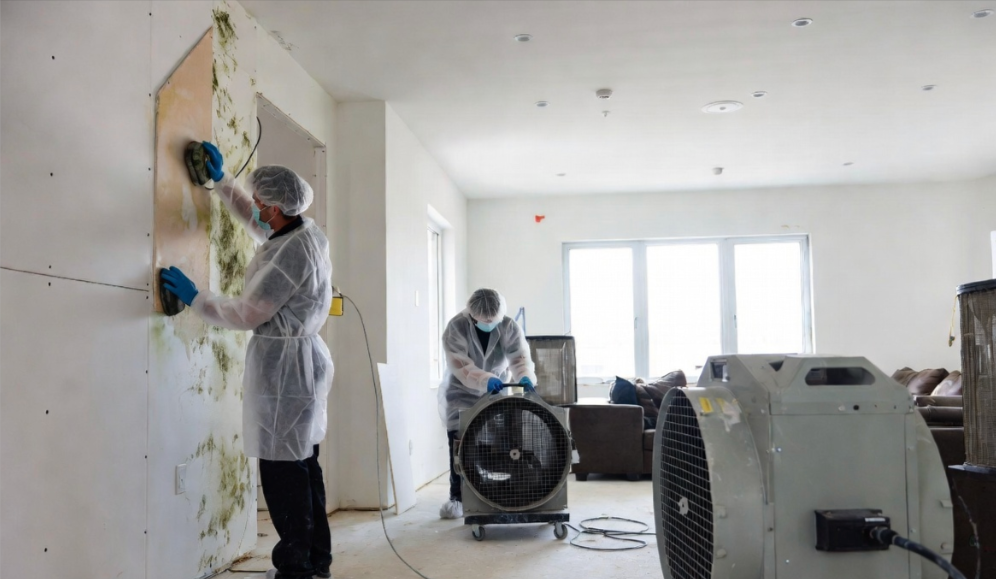
Take steps to protect your property from further harm. This might involve shutting off your water supply, using fans to circulate air, or calling Utah Flood Guys for immediate help.
3. Professional Assessment
Depending on the severity of the damage, your insurance company may send an adjuster to assess the situation. This is where having detailed documentation becomes invaluable.
4. Receive Your Claim's Decision
After the assessment, you’ll receive a determination on what is covered. You can appeal this decision if you believe there’s been an oversight.
Final Thoughts
Water damage is a serious concern for any homeowner, but understanding your insurance coverage can help ease the burden during such a stressful time. Regularly review your policy and consult with your insurance agent to clarify any doubts.
At Utah Flood Guys, we recommend taking proactive measures to prevent water damage, such as regular maintenance on plumbing systems and investing in proper drainage solutions for your property. Despite it all, if you ever find yourself facing water damage, remember that you don’t have to go through it alone. Our team is here to assist you in restoring your home and making the claims process as smooth as possible!
You might also like
Utah Flood Guys Blog