
Wildfire Prevention Tips for Utah Residents
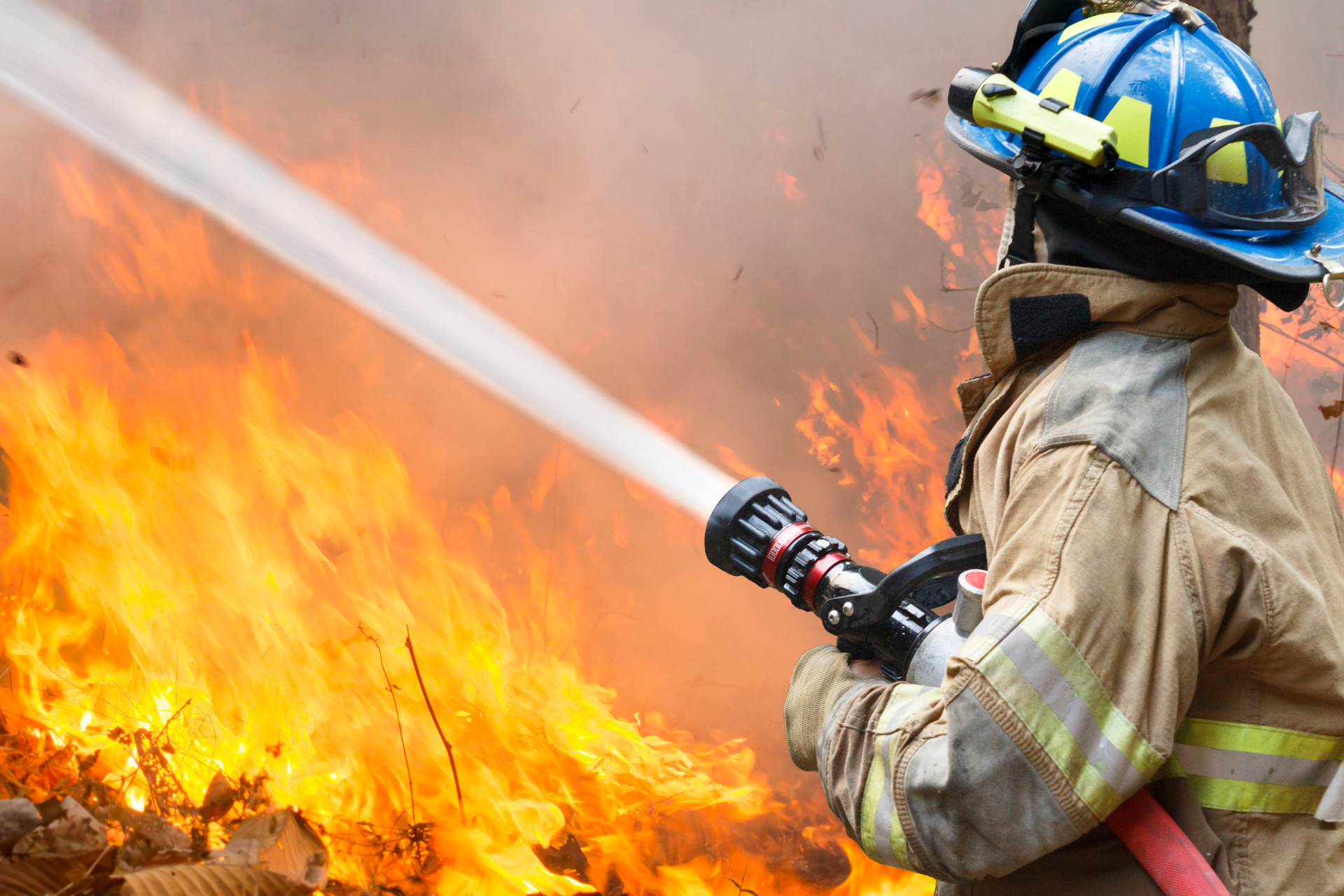
As summer approaches in Utah, so does the heightened risk of wildfires. With our stunning landscapes and dry conditions, it's vital for residents to take proactive measures to safeguard their homes and loved ones from the devastating effects of wildfires. At Utah Flood Guys, we understand the importance of disaster preparedness, whether it’s water damage, mold removal, or fire damage restoration. Today, we're sharing some essential wildfire prevention tips to help you protect your home and community.
1. Create a Defensible Space
The first step in wildfire prevention is creating a defensible space around your property. This area is crucial in slowing down or stopping the spread of fire. Start by clearing away any dead vegetation, leaves, or debris from your yard and gutters. Trim back any overhanging branches within a minimum of 10 feet from your home to prevent flames from jumping. Additionally, make sure shrubbery is spaced at least three feet apart and consider using fire-resistant plants in your landscaping.
2. Use Fire-Resistant Building Materials
If you're considering any home renovations, look into using fire-resistant materials. Choosing non-combustible roofing materials, such as metal or tile, and fire-resistant siding can significantly lower your risk. Don't forget about decks; composite materials are often more fire-resistant than wood. Even small changes can make a big difference in fire prevention, so think ahead when making home improvements.
3. Maintain Your Lawn
A healthy lawn can be your best defense against wildfires. Keep grass trimmed to a height of three inches or less, and consider using a drip irrigation system to maintain moisture. Water your lawn regularly, especially during dry periods, to create a barrier against any potential fires. Remember, the goal is to create a green buffer that can help stop the spread of flames.
4. Store Firewood Properly
If you have firewood, it’s essential to store it safely. Keep firewood at least 30 feet away from your home and elevated off the ground. This not only helps prevent the wood from igniting but can also discourage pests from taking residence too close to your home. Consider using a firewood rack and covering it with a tarp if necessary, ensuring that it is dry to minimize smoke when using it later.
5. Create an Emergency Plan
While we hope for the best, it’s essential to prepare for the worst. Create an emergency plan with your family that includes evacuation routes and meeting points. Ensure everyone knows how to shut off gas and electricity to your home before leaving. Consider putting together an emergency kit with essentials such as water, non-perishable food, flashlights, and first aid supplies.
6. Stay Informed
Finally, keep yourself updated on local fire restrictions and news. Areas in Utah can have varying levels of fire risk, and staying informed can help you react quickly if the need arises. Follow local agencies on social media or sign up for alerts to get real-time information regarding wildfires and safety measures.
Wildfire season can be daunting, but by taking these proactive steps, you can help protect your home and the stunning Utah landscape we all love. At Utah Flood Guys, we’re here to assist you with any disaster cleanup you may face, whether from water damage, mold, or fire. Together, let’s prevent and prepare for a safer future!
You might also like
Utah Flood Guys Blog