How Fire Damage is Classified for Insurance Purposes

When disaster strikes, understanding how fire damage is classified for insurance purposes can be crucial for homeowners and business owners alike. At Utah Flood Guys, we know that navigating through the aftermath of a fire can be overwhelming, which is why we want to clarify this process for you.
Understanding Fire Damage Classification
Fire damage isn’t a one-size-fits-all scenario. Insurance companies typically classify fire damage based on several factors, including the source of the fire, the extent of the damage, and the materials affected. Here’s a closer look at the primary classifications.
1. Structural Damage
Structural fire damage refers to the harm inflicted on the building itself, including the walls, rafters, and foundations. Insurance adjusters will inspect the construction materials to assess the extent of the damage. If the fire compromises vital structural components, repairs can be extensive and costly. This classification typically requires professionals for accurate assessment and thorough restoration.
2. Content Damage
This classification covers personal property affected by the fire, such as furniture, electronics, and clothing. Contents may suffer from fire damage, smoke damage, or water damage due to firefighting efforts. Most homeowners and business insurance policies include contents coverage, but it’s essential to have a detailed inventory of your possessions to ensure you receive adequate compensation.
3. Smoke Damage
Even if a fire doesn’t leave visible burn marks, smoke can cause a significant amount of damage. Smoke can infiltrate walls, ceilings, and carpets, creating lingering odors and health risks. Insurance companies often separate smoke damage from fire damage because it requires different cleaning and restoration methods. It’s vital to address smoke damage quickly to prevent chronic issues and costly repairs down the line.
4. Secondary Damage
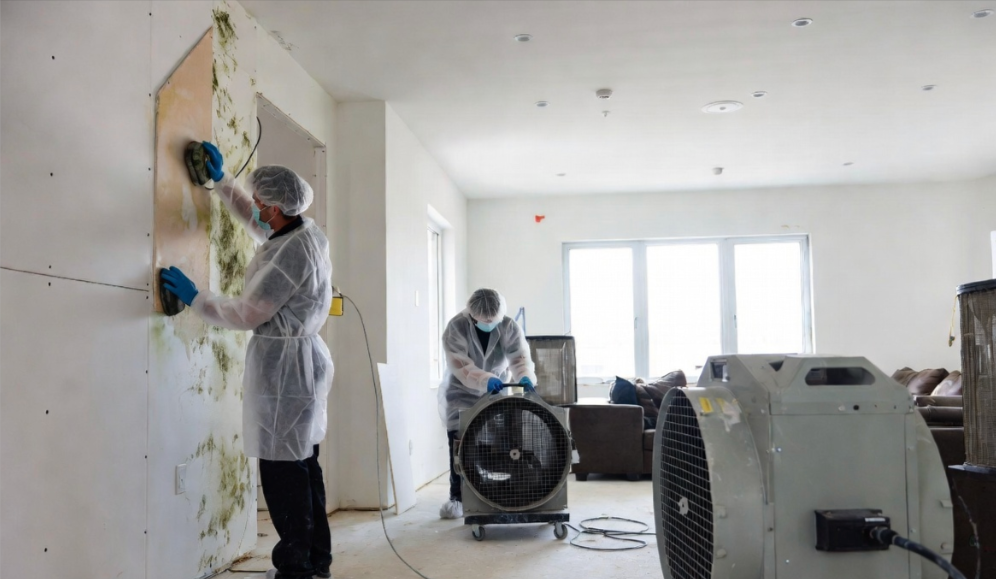
Secondary damage refers to any additional issues that arise from the fire, including water damage from firefighting efforts or even mold growth due to moisture retention. This classification falls under your insurance policy as well, but the specifics can vary significantly depending on the terms of your coverage.
Reporting the Damage to Your Insurance Provider
Once you classify the damage, the next step is to report your losses to your insurance provider. Make sure you document everything: take photos, jot down the extent of the damage, and note any immediate repairs necessary for mitigation. The more detailed your report, the smoother the claims process will be.
Working with a Restoration Professional
After a fire, it’s critical to engage a reputable restoration company like Utah Flood Guys. We specialize in evaluating and classifying fire damage, guiding you through cleaning and restoration. Our team understands the nuances of insurance claims and can help ensure your property is restored to its pre-loss condition.
Conclusion
Fire damage can feel like an overwhelming experience, but by understanding how it’s classified for insurance purposes, you can take proactive steps toward recovery. Whether it’s structural, content, or secondary damage, know that you have support. At Utah Flood Guys, we're here to help you navigate this journey and restore your home or business, one step at a time. Remember, the faster you act, the better your chances of minimizing damage and facilitating a smoother claims process.
You might also like
Utah Flood Guys Blog