10 Signs It's Time to Repair Water Damage in Your Home
Water damage can sneak up on you, turning a small problem into a costly disaster if not addressed quickly. At Utah Flood Guys, we understand the importance of staying alert for the signs of water damage in your home. Whether you’ve experienced a leak, a flood, or an unexpected plumbing issue, knowing when it’s time to take action is crucial. Here are ten signs it's time to call in the professionals for water damage repair.
1. Discoloration on Walls or Ceilings
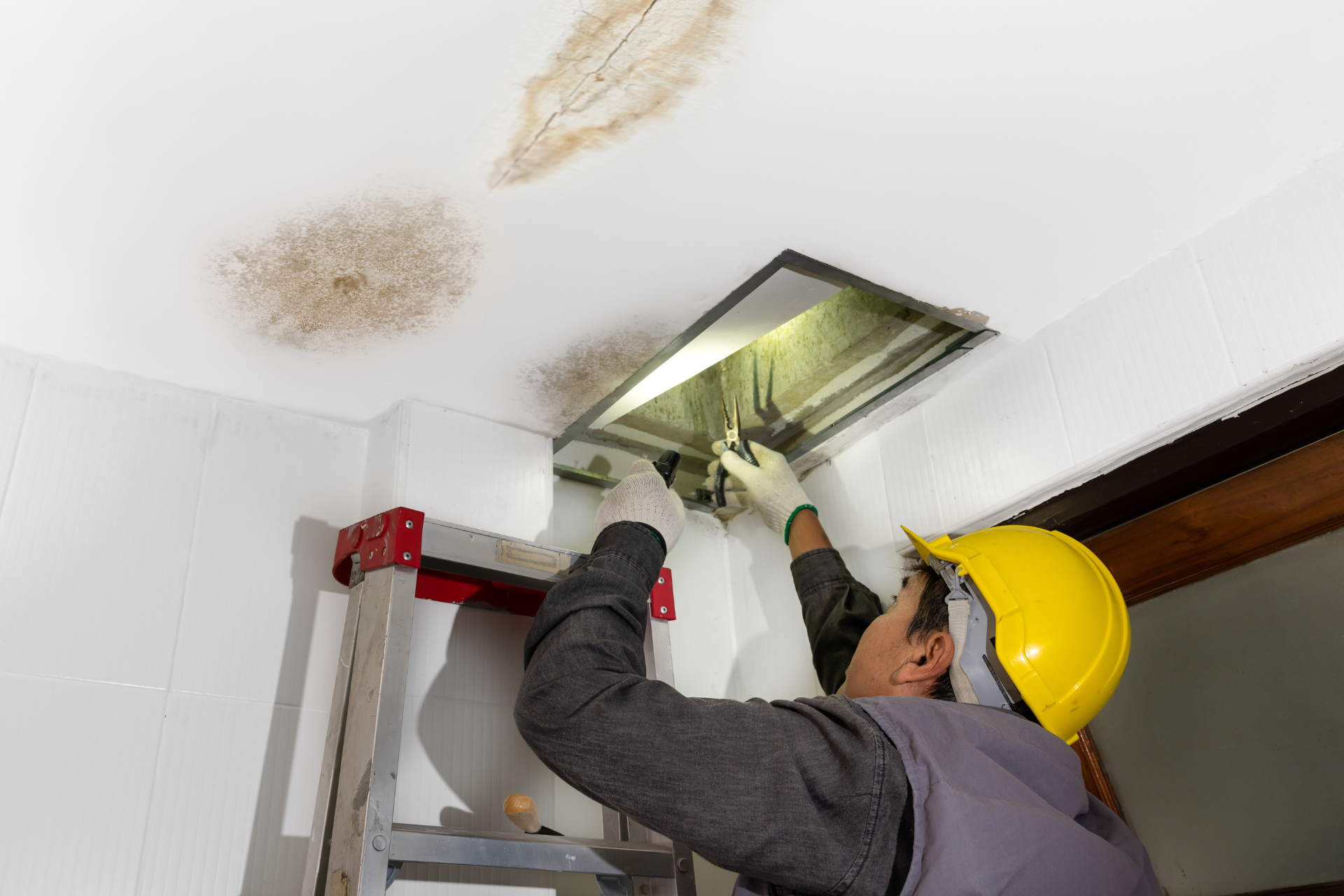
One of the first signs of water damage is the appearance of stains or discoloration on walls and ceilings. If you see yellow, brown, or dark spots, it’s likely that water has seeped in, indicating a leak or existing water damage that needs to be addressed.
2. Peeling or Bubbling Paint
Have you noticed paint that’s beginning to peel or bubble? This isn’t just an aesthetic issue; it often signals moisture trapped beneath the surface. It’s essential to address the underlying water issue to prevent further damage.
3. Warped or Buckling Flooring
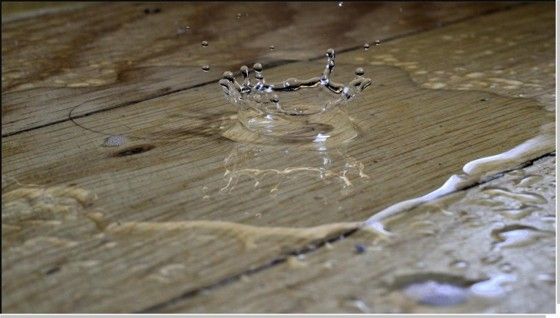
If your floors are beginning to warp or buckle, it’s a clear sign of water damage. Wooden floors, in particular, can be vulnerable to moisture, which can compromise their integrity and lead to more significant issues.
4. A Musty Odor
A persistent musty smell can indicate mold or mildew growth, which often accompanies water damage. If you notice this odor, it’s important to investigate further, as mold can pose health risks to your family.
5. Increased Water Bills
Have your water bills suddenly spiked? This could be a sign of a hidden leak in your plumbing system, leading to water damage and wasting resources. It’s best to get it checked out sooner rather than later.
6. Visible Mold Growth
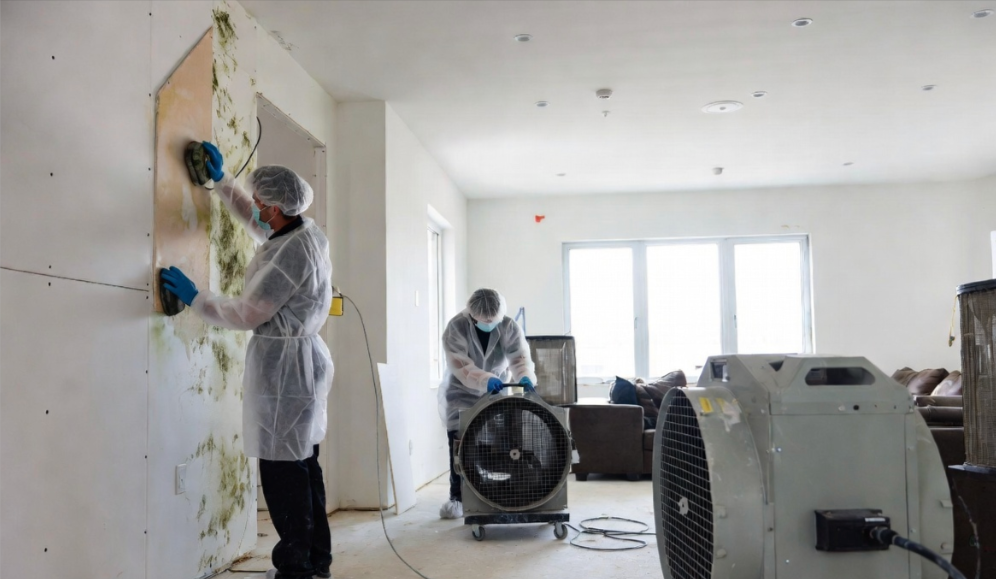
If you see mold growing in your home, don’t ignore it! Mold thrives in damp environments and can spread quickly. A professional restoration service, like Utah Flood Guys, can assess the situation and take necessary remediation steps.
7. Aged Plumbing Systems
If your home has older plumbing, it may be prone to leaks and damage. Keeping an eye on your plumbing system and being aware of its age can help you stay proactive against potential water damage.
8. Condensation on Windows
If you notice excessive condensation forming on your windows, it may suggest high humidity levels in your home, which can lead to water damage. Ensuring proper ventilation can help reduce this risk.
9. Frequent Clogged Drains
Recurring issues with clogged drains may indicate deeper plumbing problems, including potential leaks that can cause water damage behind walls or under floors.
10. Unexplained Puddles or Damp Spots
Finally, if you find unexplained puddles or damp spots in your home, investigate immediately. This could stem from various sources, like leaks in plumbing or cracks in the foundation, signaling the need for prompt repair.
Conclusion
Being vigilant about these signs can help you tackle water damage before it escalates into a more extensive problem. If you suspect water damage in your home or business, don’t hesitate to reach out to Utah Flood Guys. Our expert team is here to provide you with thorough inspections, effective solutions, and peace of mind. Remember, addressing water damage promptly can save you time, money, and a lot of stress down the line!
You might also like
Utah Flood Guys Blog